
Best Recurve Bow for Hunting: How to Choose the Right Fit
We may earn commission for items you purchase. As an Amazon Associate we earn from qualifying purchases.
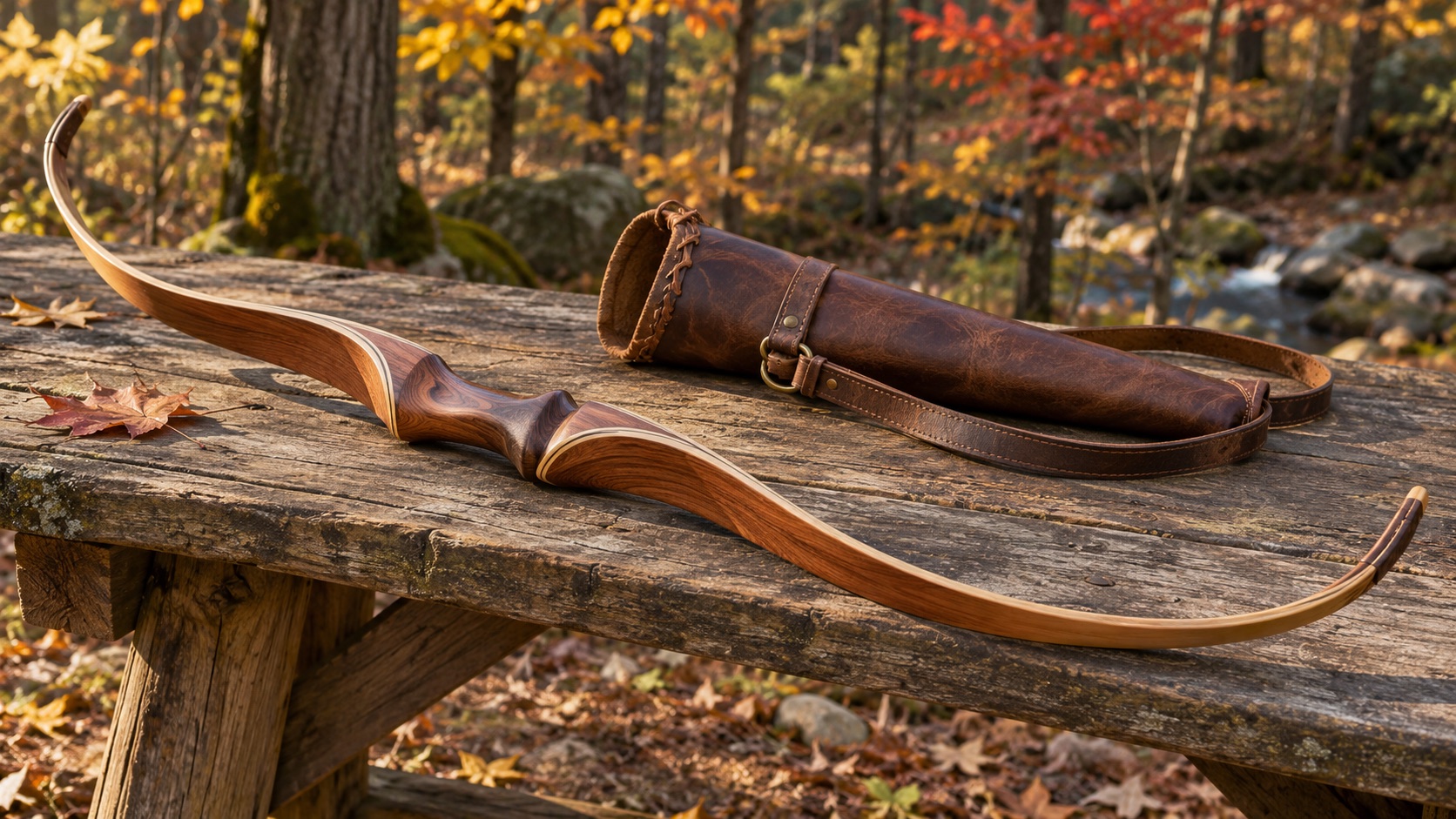
The best recurve bow for hunting is the one you can draw smoothly and shoot consistently, with specifications appropriate for your intended use. For a first traditional setup, compare a Samick Sage-style takedown recurve. For a premium one-piece traditional bow, compare the Bear Super Kodiak. Start with fit and control rather than buying the heaviest draw weight available.
This is a researched comparison, not a claim of personal testing. Product specifications and availability vary by model. An archery shop can help check your fit and assemble compatible equipment before you commit to a hunting setup.
Recurve hunting bows: a focused shortlist
| Option | Why consider it? | Tradeoff to check |
|---|---|---|
| Samick Sage | Budget takedown format with removable limbs | Correct handedness, limb compatibility and draw fit |
| Bear Super Kodiak | Premium one-piece traditional recurve | Higher cost and no simple limb swap to change weight |
| Greatree Mohegan | Possible local-shop or used-market alternative | Current availability, specifications and replacement parts need verification |
Samick Sage: a practical takedown recurve bow to compare
The Sage uses a removable-limb design, which makes storage and transport easier than with a full-length one-piece bow. Samick's published catalog identifies a 62-inch bow with a laminated wood riser and maple/fiberglass limbs. The manufacturer catalog is historical, so use it to identify the design rather than to assume today's availability or package contents.
Its appeal for a beginner is flexibility: a compatible lighter limb set can support target practice without requiring you to buy a hunting-weight setup immediately. Do not assume visually similar limbs from another brand fit the riser. Confirm the seller, handedness and manufacturer's compatibility information before buying replacement parts.
The limitation is fit. A 62-inch wooden recurve bow will not feel identical for every archer, especially at different draw lengths. Try the grip and full draw at a qualified shop when possible. A low initial price is only useful if you can practice comfortably and obtain the correct accessories.
Bear Super Kodiak: a premium traditional recurve
Bear offers the 60-inch Super Kodiak and a separate 64-inch version. These should be compared as distinct models. The longer version gives another fit option; length alone does not establish which will feel better in your hands.
A one-piece bow suits someone who wants that traditional format and already knows the weight and grip they prefer. It is less flexible than a takedown bow if you later want to change the limbs. Before buying, compare total length for transport, grip comfort, available handedness and the full cost of a compatible bow-and-arrow setup.
Bear describes the Super Kodiak as a model Fred Bear favored. That history is interesting, but it does not replace a fit check. Choose the version that suits your own shooting experience rather than treating a famous name as a performance guarantee.
Greatree Mohegan: verify the exact bow first
The Mohegan appeared in the original article, but current manufacturer specifications and availability could not be confirmed during this refresh. It should therefore be treated as an option to investigate through a knowledgeable dealer, not an equally verified current recommendation.
If you find one locally or used, confirm the model, condition, stated draw specifications and availability of a replacement bowstring and other parts. Do not rely on a generic seller description that groups several different bows together.
How to choose the best recurve bow for hunting
Start with draw weight you can control
A recurve does not offer the let-off of a compound bow. Being able to pull a bow once is different from holding and shooting it repeatedly with consistent form. Have a coach or qualified shop assess your current ability, particularly if you are moving from a compound to traditional archery. Building skill with a lighter target bow is preferable to struggling through every practice session.
There is no single poundage recommendation that fits every person and hunt. Check current rules for the species and location you intend to hunt, then choose suitable equipment you can control. This article does not substitute a generic 40–60-pound range for those checks.
Match bow length and draw length
The number printed on the limbs is measured under stated conditions. Your own draw length affects how the bow feels and the force you hold. Ask the dealer to check it rather than assuming the labeled weight will be identical for every user. Compare a smooth draw and comfortable grip before choosing by overall size.
Choose a takedown or one-piece bow deliberately
A takedown bow separates into a riser and limbs for transport. Some systems allow compatible replacement limbs, but a bolt-on wooden bow should not be assumed to use ILF fittings. A one-piece bow is simpler to keep together but takes more storage space and generally offers less flexibility to change draw weight. Neither design is automatically more accurate for a particular archer.
Budget for a complete, compatible archery setup
Include suitable arrows, finger protection, an armguard, a bow stringer tool, a quiver and a safe practice target in the budget. A recurve bow package may not include all of these, and arrows included in a bundle are not automatically correct for your setup. Have an archery professional confirm arrow compatibility and follow the bow manufacturer's instructions.
Check the bow before buying used
Have the limbs, string, riser and attachment points inspected by a qualified shop. Look for clear model identification and a documented specification rather than guessing from appearance. A low price is not good value if essential parts are unavailable or the condition is uncertain.
Frequently asked questions
Can you hunt with a 40-pound recurve?
A poundage label alone cannot answer that. Local requirements, the intended game, the bow's actual specifications and your demonstrated ability all matter. Check the applicable rules and seek qualified guidance before treating any setup as hunt-ready.
Is a recurve better than a longbow?
Neither type of bow is the best choice for everyone. Grip, length, feel and your ability to shoot consistently matter more than the category name. Try both through a traditional archery shop or club if you are unsure which format you prefer.
What should a beginner buy first?
Begin with instruction and a properly fitted practice setup. Compare the Sage if a budget takedown format suits you; compare the Super Kodiak once you know you want a one-piece bow and understand its tradeoffs. The best recurve bow is the one that supports regular, comfortable practice without forcing you to compromise on fit.