
Best Pheasant Hunting Boots: Compare Fit and Field Conditions
We may earn commission for items you purchase. As an Amazon Associate we earn from qualifying purchases.
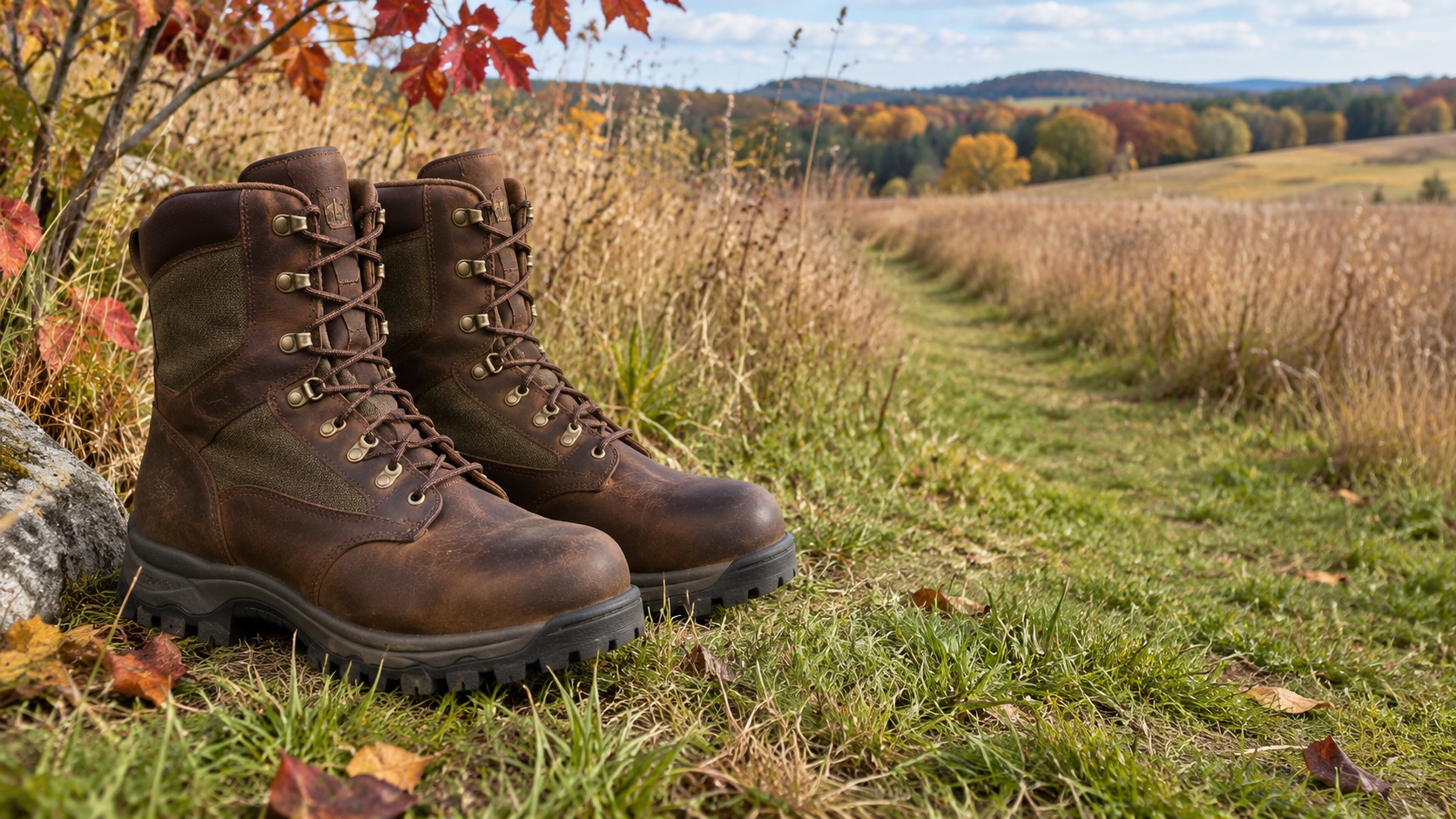
Pheasant hunting can mean miles through dry grass, muddy fields or cold wet cover. Choose boots that fit your feet and the conditions you expect, with enough traction and water protection for the terrain. Heavy insulation can be useful in cold weather but may feel too warm while walking.
These are listing-based comparisons, not hands-on tests. Sizes, insulation and availability can vary by selected product option.
Pheasant hunting boots to compare
These affiliate links may earn Sportsman Crew a commission at no extra cost to you. Check the exact size, width and insulation before ordering.
Irish Setter Gunflint II 10-inch Boot

Lace-up boot
Irish Setter Gunflint II 10-inch Boot
The checked size 10 medium listing describes waterproof construction. Its title and feature text conflict about insulation, so confirm the exact variant with the seller before ordering.
Danner Pronghorn 8-inch 400G Boot

Insulated lace-up boot
Danner Pronghorn 8-inch 400G Boot
The checked size 11 listing describes a waterproof GORE-TEX liner and 400g insulation. Availability was limited; check your size and the selected configuration.
Muck Fieldblazer Classic Tall Boot

Tall rubber boot
Muck Fieldblazer Classic Tall Boot
The checked size 10 medium listing describes a waterproof tall boot with a 5mm neoprene bootie and reinforced toe and heel. Confirm fit and the height that works for your terrain.
Rocky Sport Utility 1000G Boot

Heavily insulated lace-up boot
Rocky Sport Utility 1000G Boot
The checked size 10 wide listing describes waterproof construction and 1000g insulation. Consider your activity level and local temperatures; heavier insulation may be too warm for active walking.
Rocky Sport Pro Rubber 1200G Boot

Heavily insulated rubber boot
Rocky Sport Pro Rubber 1200G Boot
The checked size 11 medium listing describes 1200g insulation, a neoprene upper and rubber overlays. Check the selected size and consider whether that insulation suits your conditions.
Browse more pheasant hunting boots on Amazon.
How to choose pheasant hunting boots
Fit and walking comfort
Try boots with the socks and insoles you expect to use. Check for enough toe room, a secure heel and pressure points as you walk; sizes and widths differ among brands. Break in new footwear before a long day. REI’s boot-fitting guide explains why sock thickness and foot shape matter.
Insulation and activity
Match warmth to weather and how much you will move. A long active walk in mild conditions may call for less insulation than a cold, mostly stationary outing. REI’s cold-weather guidance notes that excess insulation during activity can contribute to sweating. Insulation weights are not a universal temperature rating.
Water, height and traction
Wet grass and mud may call for waterproof construction; a taller rubber boot can provide more coverage, while a lace-up boot may offer a different fit and walking feel. Water can still enter over the top, and breathability varies. Choose tread for the ground you expect and remember no sole prevents every slip.
Fit and field care
Check the forecast and terrain, carry suitable spare socks and address rubbing early. The National Park Service’s hiking safety advice recommends appropriate footwear, moisture-wicking socks and supplies for blisters. Follow the boot maker’s cleaning and drying instructions after muddy or wet use.
Common questions
Do pheasant hunting boots need to be waterproof?
Not always. Waterproof footwear is helpful in wet grass or mud, but the best choice depends on conditions and personal comfort. Consider the trade-off between water protection and ventilation.
How much insulation do I need?
There is no single answer. Temperature, activity, socks, circulation and personal preference all matter. Try the boot with your intended socks and avoid making the fit too tight.
Are rubber boots or lace-up boots better?
Both can work. Tall rubber styles offer coverage in wet areas, while lace-up styles provide adjustable fit around the foot and ankle. Compare weight, fit and the terrain you will cover.
Should I buy my normal shoe size?
Use the manufacturer’s size chart and try the boots with your intended socks if possible. Width and volume matter as much as length.
For more footwear choices, see our hunting boot guide and hunting boot insole guide.