
Best Insoles for Hunting Boots: Compare Cushioning, Support and Fit
We may earn commission for items you purchase. As an Amazon Associate we earn from qualifying purchases.
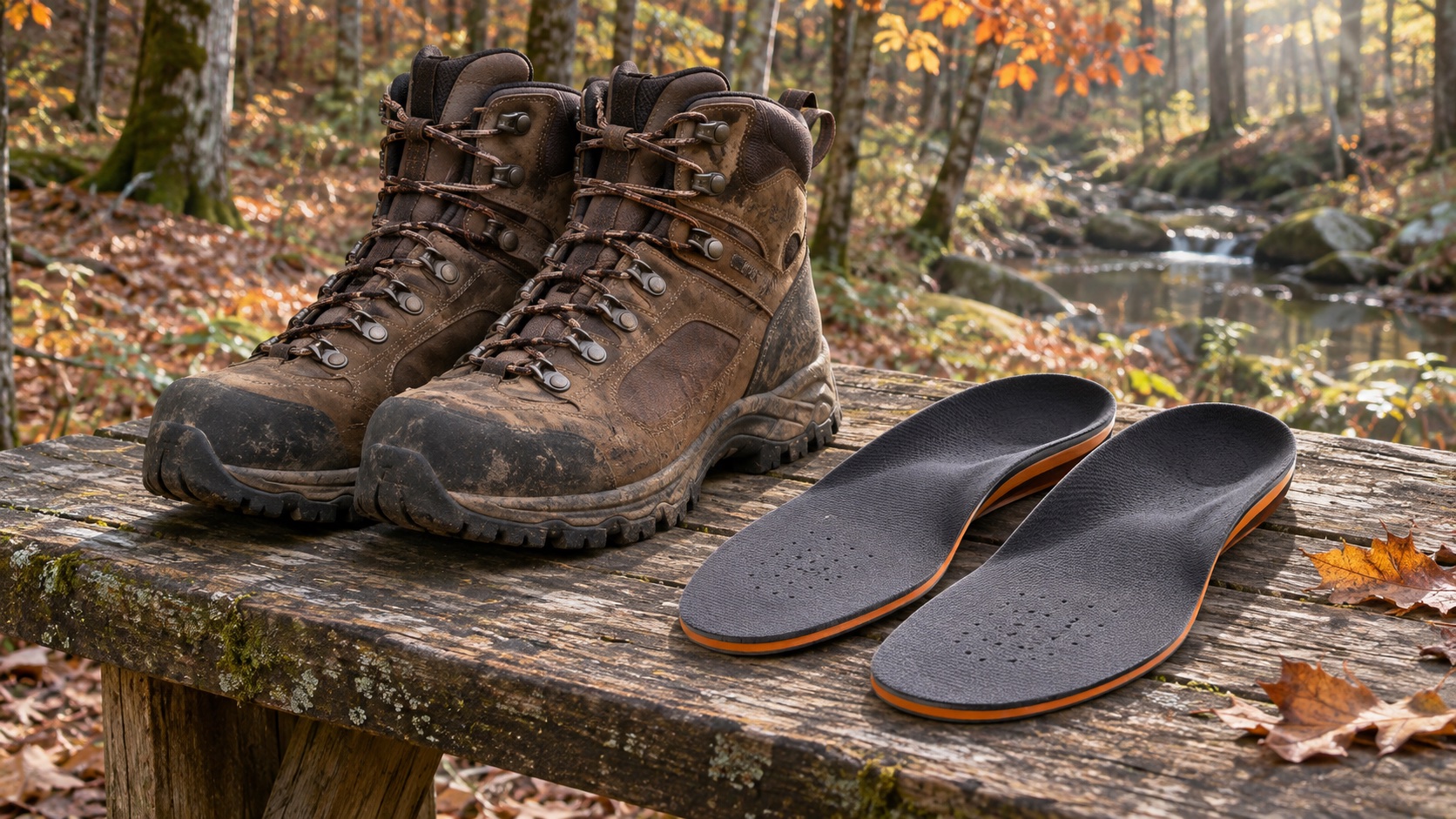
The best insole for hunting boots is one that fits both your foot and the space inside the boot. Start with a comfortable boot, then compare full-length inserts, shorter supports and heel cups by their shape, thickness and intended use.
These are comparisons of product listings, not hands-on tests or a medical ranking. Sizes and availability can change. A comfortable fit with your usual socks matters more than a particular marketing claim.
Insoles and heel cups to compare
The links below are affiliate links; Sportsman Crew may earn a commission at no extra cost to you. Check the exact size and variation before buying. You can also browse hunting boot insoles.
Sof Sole 3/4 Length Orthotic

Three-quarter length
Sof Sole 3/4 Length Orthotic
The checked listing is a three-quarter-length insert. Check its size and whether a shorter insert suits your boot and foot.
PowerStep Pinnacle Maxx

Firm support
PowerStep Pinnacle Maxx
The listing describes a full-length insert with an angled heel. Verify the size and whether the support feels comfortable in your boots.
Superfeet All-Purpose High Arch

High arch
Superfeet All-Purpose High Arch
This is the current title for the originally linked Superfeet listing. The selected size is a high-arch model; check the size chart and boot volume.
Sof Sole Full-Length Gel Arch Support

Full length
Sof Sole Full-Length Gel Arch Support
The old article labeled this link as a SOLE footbed; the checked listing is a Sof Sole insert. Verify the version and fit before ordering.
Spenco Polysorb Cross Trainer

Cushioned full length
Spenco Polysorb Cross Trainer
The checked listing describes a cushioned cross-training insole. Confirm the size and available space inside your boots.
Superfeet All-Purpose Cushion

Cushioned support
Superfeet All-Purpose Cushion
The originally linked listing now uses the All-Purpose Cushion name. Compare its thickness with your removable boot inlay.
CURREX RunPro Low Arch

Low arch
CURREX RunPro Low Arch
This checked variation is a low-arch running insole. It may fit some boots, but verify dimensions and comfort; it is not marketed specifically as a hunting insole.
PowerStep Pinnacle Work

Work boot option
PowerStep Pinnacle Work
The listing describes a full-length work-boot insert. Confirm the size and whether its shape fits your existing footwear.
Gel Heel Cups

Heel cups
Gel Heel Cups
The previously linked listing is a gel heel cup, not the Sof Sole product named in the old text. Heel cups do not provide full-length cushioning.
WalkHero Arch Support Inserts

Full length
WalkHero Arch Support Inserts
This is an available WalkHero variation replacing the previously linked out-of-stock size. Check that the chosen size fits your foot and boot.
SOLE Active Medium

Medium cushioning
SOLE Active Medium
This available SOLE footbed replaces an out-of-stock listing. Follow the manufacturer’s fitting instructions and check that the added depth fits your boot.
Spenco Total Support Original

Structured support
Spenco Total Support Original
The originally linked listing describes a full-length insole with a heel cup. Confirm sizing and try it in your boots before a long day outside.
How to choose insoles for hunting boots
Match the space inside your boot
Insoles take up space. A thicker insert can crowd the toes or raise your heel, especially with heavy socks. Try boots on with the socks you plan to wear and make sure your toes have room and your heel does not slip. Some boots have removable factory inlays; removing one can make room for a replacement. Do not remove a fixed component unless the boot maker says it is removable. The Royal National Orthopaedic Hospital explains why footwear needs enough room for an insert.
Compare cushioning and shape
Cushioning may feel softer, while a more structured insert has a different feel. High, medium and low arch labels describe the product shape; they do not guarantee comfort for a particular foot. A three-quarter insert or heel cup covers less of the foot than a full-length insert. Choose based on fit and the maker’s directions, not a promise to cure a condition.
Consider the day and conditions
Standing at a blind, walking uneven ground and carrying a pack place different demands on footwear. Try the combination for your own activities. Damp socks or wet boots can cause discomfort, so dry removable insoles and footwear according to their care instructions between outings.
Fit and break-in
- Check the product’s size chart and fitting instructions. Only trim an insert if the manufacturer permits it.
- Remove a removable factory inlay if the replacement’s instructions call for it. Place the insert flat, without bunching or creases.
- Wear your usual socks and lace the boots comfortably. Check toe room, heel hold and pressure points while standing and walking.
- Introduce the inserts gradually on shorter walks before relying on them for a full day. Stop using them if they cause pain or skin irritation.
For persistent foot pain, loss of sensation, diabetes or circulation concerns, seek individual advice from a qualified clinician or podiatrist. An off-the-shelf insert is different from a device prescribed and made for an individual foot; the American Podiatric Medical Association explains the distinction.
Common questions
Should I put new insoles on top of the old ones?
Follow the insert and boot makers’ instructions. A removable factory inlay is often replaced to make space; stacking inserts can make boots too tight.
Are thicker insoles warmer?
Thickness alone does not establish a warmth rating, and a crowded fit may be uncomfortable. Check the manufacturer’s specifications and leave room for your socks and toes.
Can an insole fix boots that do not fit?
An insert cannot reliably correct a boot that is too short, narrow or poorly secured. Start with properly fitting footwear and seek fitting help if needed.
Choose for your feet and your boots
Compare size, support shape and available boot volume, then test the combination on a short outing before a longer trip. See our hunting boots guide for more on footwear fit.