
Shooting Ear Protection: Compare Earmuffs, Earplugs and Fit
We may earn commission for items you purchase. As an Amazon Associate we earn from qualifying purchases.
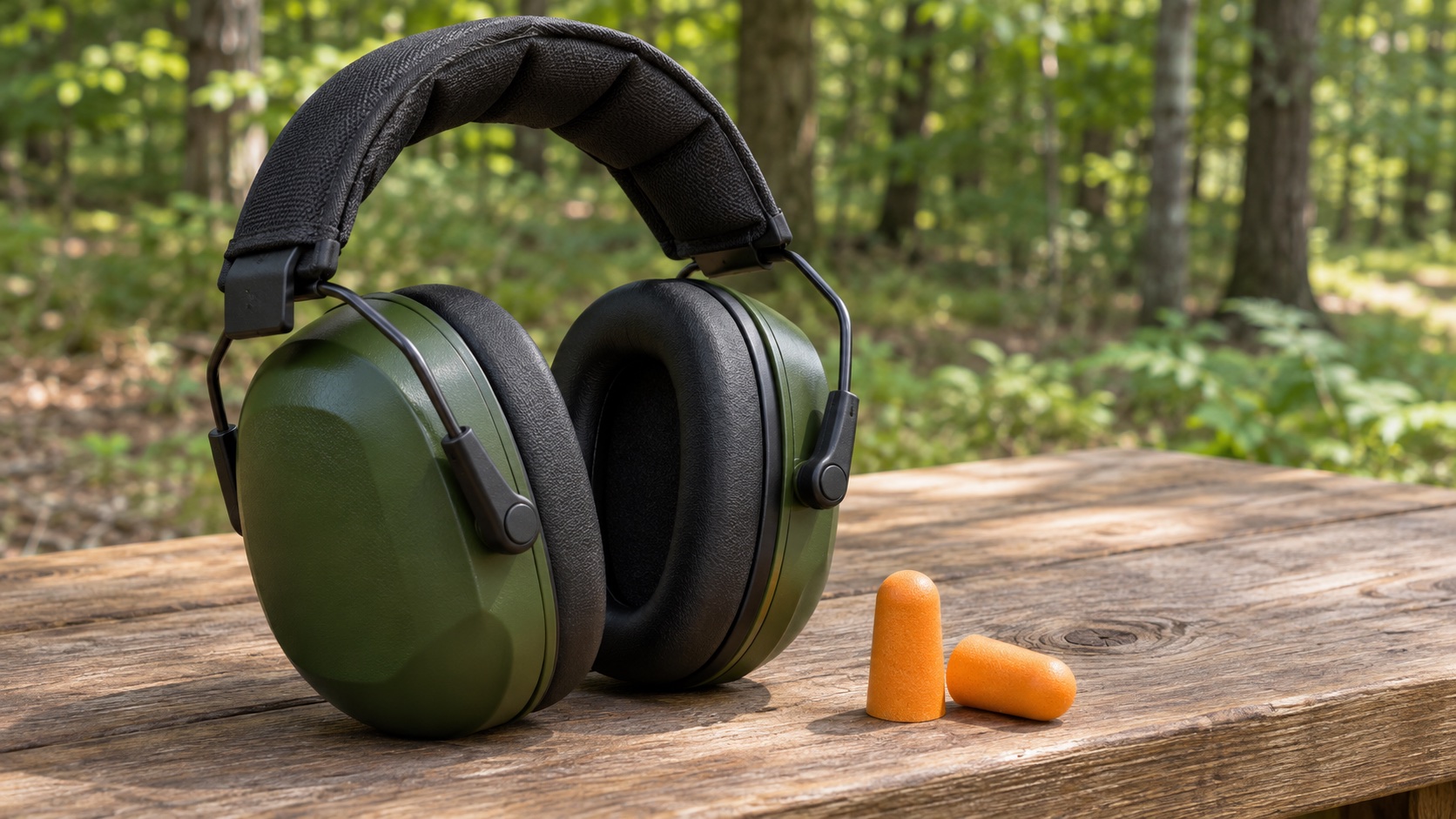
Firearm noise can damage hearing even after a single exposure. For shooting, NIOSH recommends double protection: properly fitted earplugs under well-seated earmuffs. No hearing protector can guarantee complete protection, and fit is essential.
These products are comparisons of checked listings, not hands-on tests. Verify the exact package, rating and manufacturer’s fitting instructions before use.
Hearing protectors to compare
Sportsman Crew may earn a commission from these affiliate links at no extra cost to you. Product availability and package specifications can change. Listing ratings below are not personal fit-test results.
Walker’s Razor Slim Passive Earmuff

Passive earmuff
Walker’s Razor Slim Passive Earmuff
The checked listing is the passive model, not the electronic version. Confirm the package’s noise reduction rating and fit.
Floriogra Earmuffs Two-Pack

Passive earmuffs
Floriogra Earmuffs Two-Pack
The listing describes a two-pack of earmuffs. Check the exact model’s packaging for its rating and verify that the cups seal around your ears.
PROHEAR 016 Two-Pack
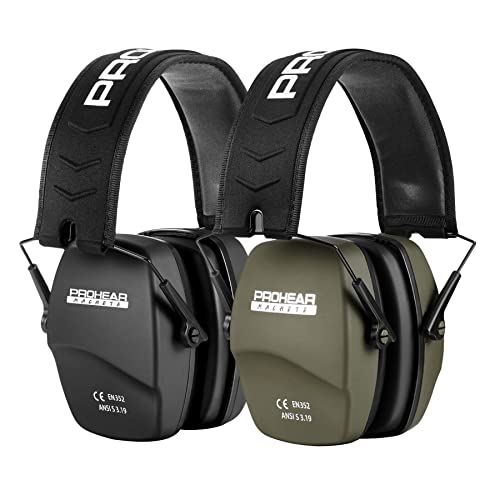
Passive earmuffs
PROHEAR 016 Two-Pack
The checked listing describes a black-and-green two-pack and reports an NRR of 26 dB. Real-world protection depends on fit and use.
ProCase Hearing Protection Earmuffs

Passive earmuffs
ProCase Hearing Protection Earmuffs
The listing reports an NRR of 28 dB. Confirm the selected model and size; a laboratory rating is not a measurement of your personal protection.
BBTO Banded Earplugs

Banded plugs
BBTO Banded Earplugs
The original listing describes banded earplugs. OSHA notes bands can interfere with earmuff seals; do not use a band under muffs for double protection. Choose suitable uncorded plugs for that purpose.
Mack’s Covert Ops Foam Earplugs

Foam earplugs
Mack’s Covert Ops Foam Earplugs
The checked listing reports an NRR of 32 dB. Follow the manufacturer’s fitting instructions and use properly fitted uncorded plugs under well-seated earmuffs for double protection.
Howard Leight Impact Pro

Electronic earmuffs
Howard Leight Impact Pro
The checked listing reports an NRR of 30 dB and describes electronic earmuffs. Confirm the packaging, fit and operating instructions; electronic features do not replace a good seal.
How to choose shooting ear protection
Match the exposure
Impulse noise from firearms calls for particular care. NIOSH recommends wearing earplugs and earmuffs together for firearm noise. Ask the range or a hearing-care professional for advice suited to your situation.
Understand the rating
The NRR is based on laboratory measurements, not a guarantee of the reduction you will receive. Compare the exact package rating and follow the fitting instructions. NIOSH recommends individual fit testing to understand the protection a person achieves.
Fit and seal
Earplugs must be inserted correctly, and earmuff cushions need to seal around the ears. Hair, eyewear or other items can disturb the seal. Check fit with your protective glasses in place, follow the manufacturer’s directions and replace damaged cushions.
Passive and electronic options
Passive earmuffs reduce sound through the physical seal and cup. Electronic earmuffs add electronics whose behavior varies by model; their rating and fit still matter. Ordinary noise-canceling headphones are not automatically rated hearing protection.
Condition and care
Inspect plugs, cushions, headbands and electronics before each use. Clean or replace components according to the manufacturer’s instructions; keep spare compatible batteries or plugs as appropriate.
Communication
Check whether a model’s controls, battery and fit meet your needs while still allowing safe communication and awareness. Do not remove hearing protection in a noisy area to hear a conversation.
Double protection and safety
Use correctly fitted uncorded earplugs under earmuffs that seal fully. OSHA cautions that cords and hearing bands can interfere with an earmuff seal. Do not simply add two NRR numbers together to estimate protection. Follow range rules and consult an audiologist or occupational hearing specialist if you need individual help.
See our hunting and shooting hearing protection guide for further comparisons.
Common questions
Are earmuffs alone always enough?
No. NIOSH recommends earplugs under earmuffs for firearm noise. Correct fit of both is important.
Does a higher NRR guarantee better protection?
No. The rating is based on laboratory conditions; fit and consistent use affect real-world protection.
Can I wear banded earplugs under earmuffs?
OSHA cautions that bands and cords can interfere with the earmuff seal. Use properly fitted uncorded plugs when combining plugs with muffs.