
Best Men’s Hunting Boots of 2026: Compare Fit and Conditions
We may earn commission for items you purchase. As an Amazon Associate we earn from qualifying purchases.
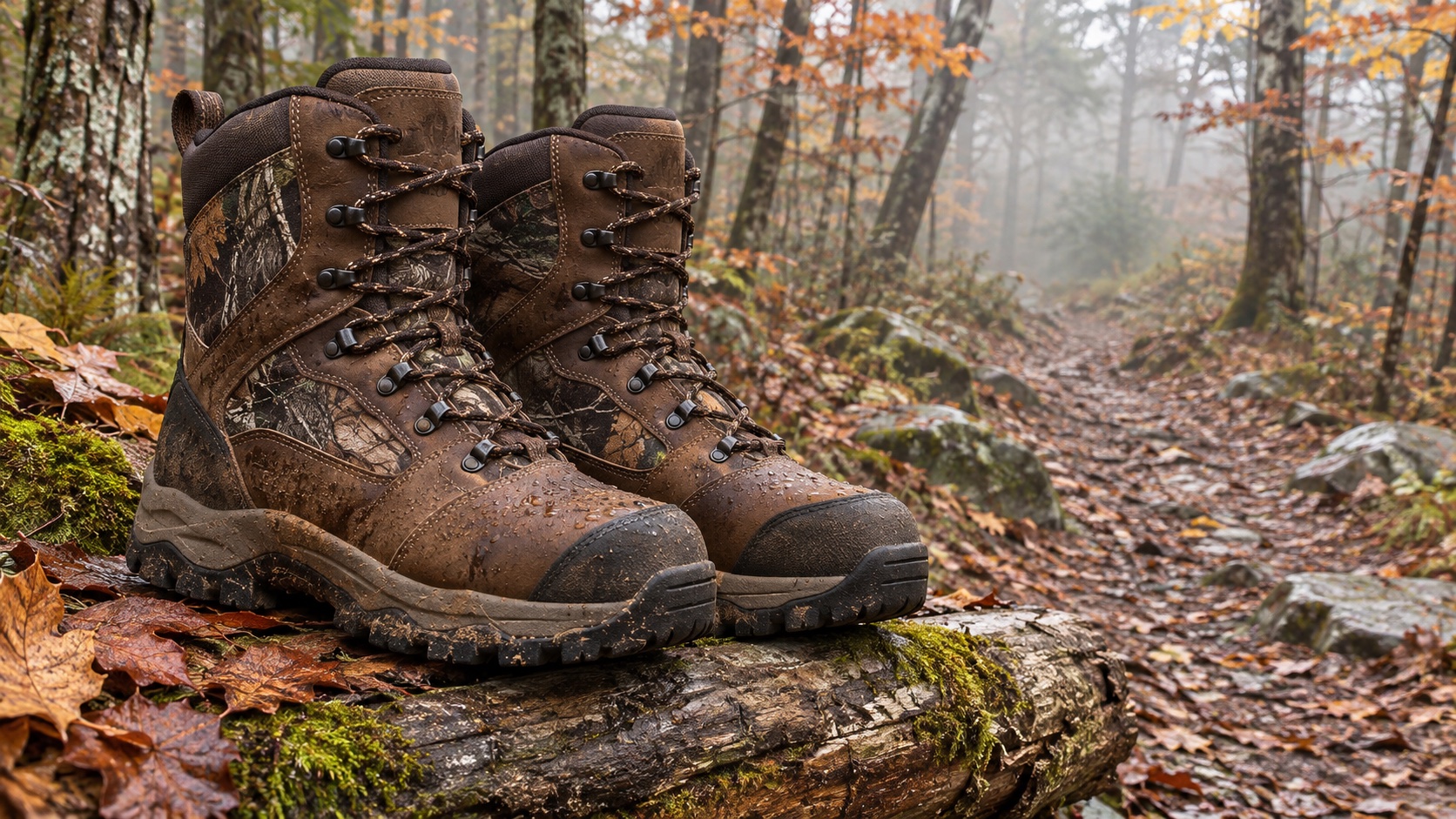
The right hunting boot depends on terrain, weather, how far you walk and how it fits your foot. A tall insulated rubber boot, a lace-up hunting boot and a winter hiking boot make different trade-offs. Compare the exact size, width, insulation and water protection before ordering.
These are listing-based comparisons, not hands-on tests. The available options below include general hiking and snow boots as well as hunting-specific models; availability can change.
Men’s outdoor boots to compare
These affiliate links may earn Sportsman Crew a commission at no extra cost to you. The checked sizes are examples, not a guarantee that every size is available.
Danner Pronghorn 8-inch 400G

Insulated hunting boot
Danner Pronghorn 8-inch 400G
The checked size 9.5 listing describes a waterproof GORE-TEX liner and 400g insulation. Availability was limited; verify your size and the selected model.
Rocky Sport Utility 1000G

Heavily insulated hunting boot
Rocky Sport Utility 1000G
The checked size 10 wide listing describes waterproof construction and 1000g insulation. Consider whether a heavily insulated boot suits your activity and climate.
Bogs Classic High Waterproof Boot

Insulated rubber-style boot
Bogs Classic High Waterproof Boot
The checked size 11 medium listing describes waterproof construction and an insulated inner bootie. Check the height, fit and intended conditions.
Muck Woody Max

Insulated tall boot
Muck Woody Max
The checked size 12 listing describes a rubber exterior, 5mm neoprene and a fleece lining. Availability was limited; check your selected size.
Rocky Lynx Waterproof Snake Boot
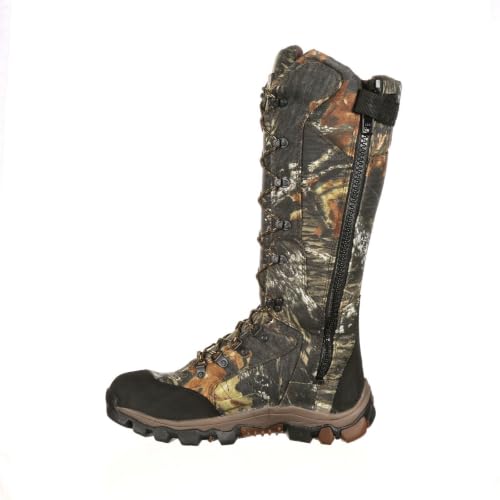
Tall outdoor boot
Rocky Lynx Waterproof Snake Boot
The checked size 10.5 listing identifies this as a waterproof snake boot. Verify the exact model’s protection specifications and fit with the manufacturer; no boot eliminates all injury risk.
KEEN Targhee 3 Mid Waterproof

Hiking boot
KEEN Targhee 3 Mid Waterproof
This hiking-boot listing describes a waterproof membrane and mid-cut design. Check the selected size and width; it is a general hiking option rather than a dedicated tall hunting boot.
HANAGAL Waterproof Outdoor Boot

Outdoor and work-style boot
HANAGAL Waterproof Outdoor Boot
The checked size 11 listing describes a waterproof membrane and EVA midsole. The seller says this style runs small; consult its sizing information and confirm the fit.
Baffin Impact Snow Boot

Cold-weather snow boot
Baffin Impact Snow Boot
The checked size 11 listing describes a tall winter boot with a removable multilayer liner. Availability was limited; its design is geared toward cold conditions, so consider bulk and walking needs.
The North Face Chilkat V 400 WP

Insulated snow boot
The North Face Chilkat V 400 WP
The checked size 10 listing describes 400g synthetic insulation and waterproof construction. It is a winter hiking boot; verify whether its fit and warmth suit your outing.
How to choose men’s hunting boots
Fit and terrain
Try boots with the socks and insoles you plan to wear. Look for adequate toe room, a secure heel and no pressure points when walking. Compare height and outsole design with the ground you expect: steep rocky ground, wet grass and deep mud can call for different footwear. REI’s fitting guide covers sock thickness and foot shape.
Insulation and activity
Match insulation to weather, activity and personal comfort. Active walking may require less insulation than a long stationary sit. More insulation is not always better: sweating can leave feet damp and cold. REI’s cold-weather guidance discusses this trade-off. Insulation weights are not universal temperature ratings.
Water protection and boot height
A waterproof membrane or rubber exterior can help in wet conditions, but water can still enter over the top or through damage. Tall boots offer more coverage but can feel bulkier; lace-up boots allow fit adjustments. Check construction and care instructions for each model.
Fit and field care
Break in new boots before a long outing, carry suitable spare socks and address rubbing early. The National Park Service’s hiking safety guidance recommends appropriate footwear, moisture-wicking socks and blister supplies. Clean and dry boots according to the manufacturer’s instructions.
Common questions
Are rubber or lace-up boots better?
Both have uses. Tall rubber boots can be useful in wet ground; lace-up boots offer adjustable fit and different support. Compare comfort, traction and weight for your terrain.
How much insulation do I need?
There is no single answer. Temperature, activity, sock thickness and individual comfort matter. Avoid a fit so tight that thick socks crowd your feet.
Are waterproof boots completely dry in every situation?
No. Construction varies, and water can enter over the top or through wear. Check the manufacturer’s guidance and choose a height suitable for the conditions.
Can hiking boots be used for hunting?
Depending on conditions and local requirements, a well-fitting hiking boot may suit an outing. Check its traction, water protection, warmth and durability against your needs.
See our pheasant hunting boot guide and boot insole guide.