
Venison Backstrap Slow Cooker Recipe with Vegetables
We may earn commission for items you purchase. As an Amazon Associate we earn from qualifying purchases.
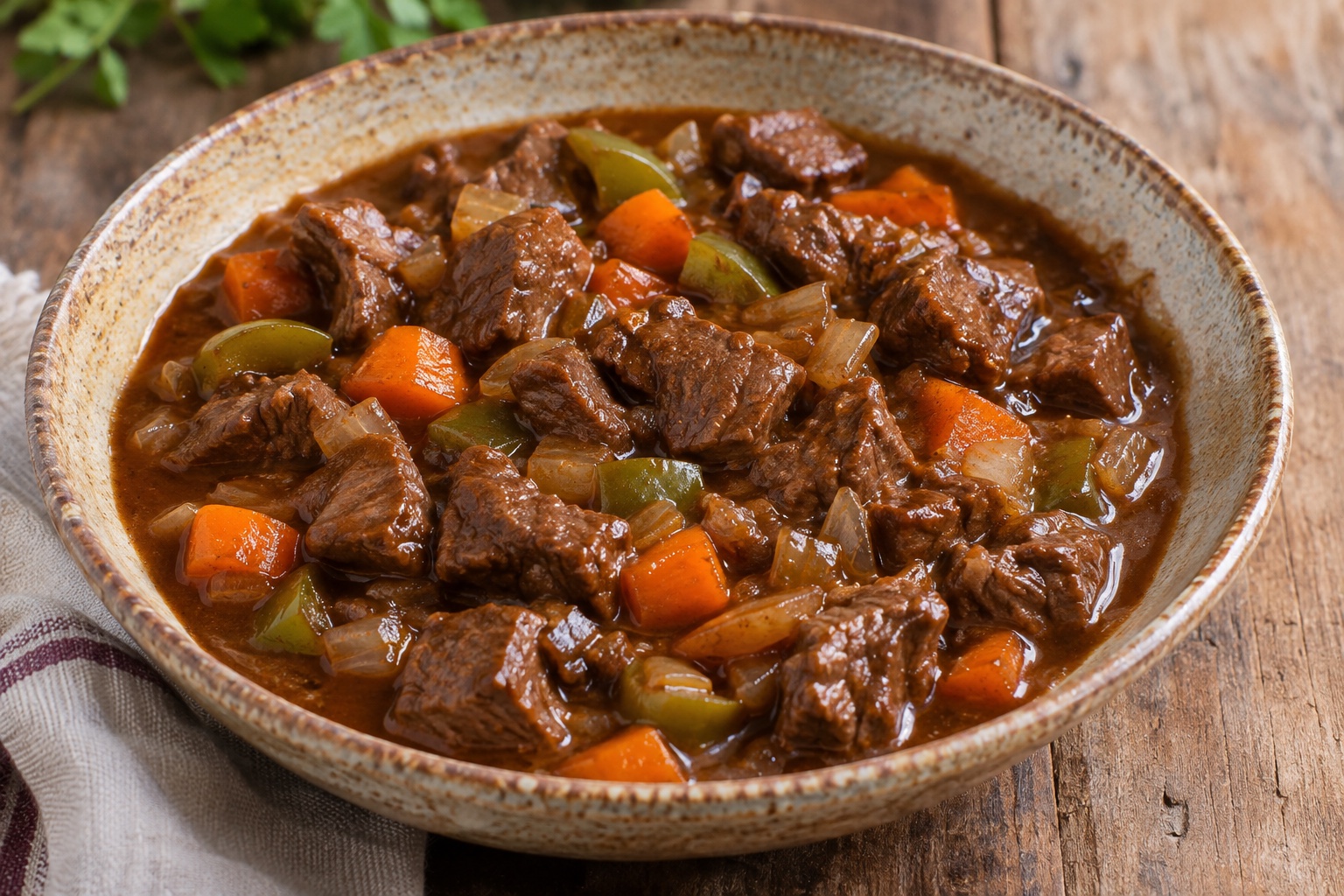
This venison backstrap slow cooker recipe uses one-inch meat cubes, onions, green pepper and carrots in a sauce of beef broth, tomato paste, red wine and Worcestershire sauce. It is a fully cooked, stew-style dish to serve with mashed potatoes or noodles, rather than a recipe for pink-centered backstrap steaks.
Backstrap is a prized lean cut, so longer cooking is not automatically better. The original ingredients are preserved below, with clearer preparation, temperature checks and sauce thickening that does not keep the meat cooking unnecessarily.
Is backstrap a good slow-cooker cut?
It can be used in this sauced dish, but it should not be described as a tough, inexpensive cut that always improves after an entire day in the cooker. Backstrap is the loin along the outside of the spine; it is different from the smaller tenderloins inside the body cavity.
Virginia's Department of Wildlife Resources describes backstrap as a select lean cut and uses a sear-and-roast approach for its crostini recipe. That illustrates why slow cooking is one option, not the only or necessarily best use of a backstrap. This page retains the original crockpot dish for readers who want that preparation.
Plan for cooked cubes in sauce rather than promising melt-in-the-mouth or shreddable meat. Age, handling, cube size and appliance performance affect the result. If your priority is a sliced roast or steak, choose a recipe written for that presentation instead of trying to stop this vegetable stew at a steak temperature.
Prepare uniform cubes, not thin medallions
Thaw the venison in the refrigerator and keep it chilled until preparation. Trim silverskin and unwanted connective tissue with a sharp knife, working on a stable board. Inspect harvested meat for bone and shot fragments. Keep raw meat, its juices and its utensils separate from ready-to-eat foods.
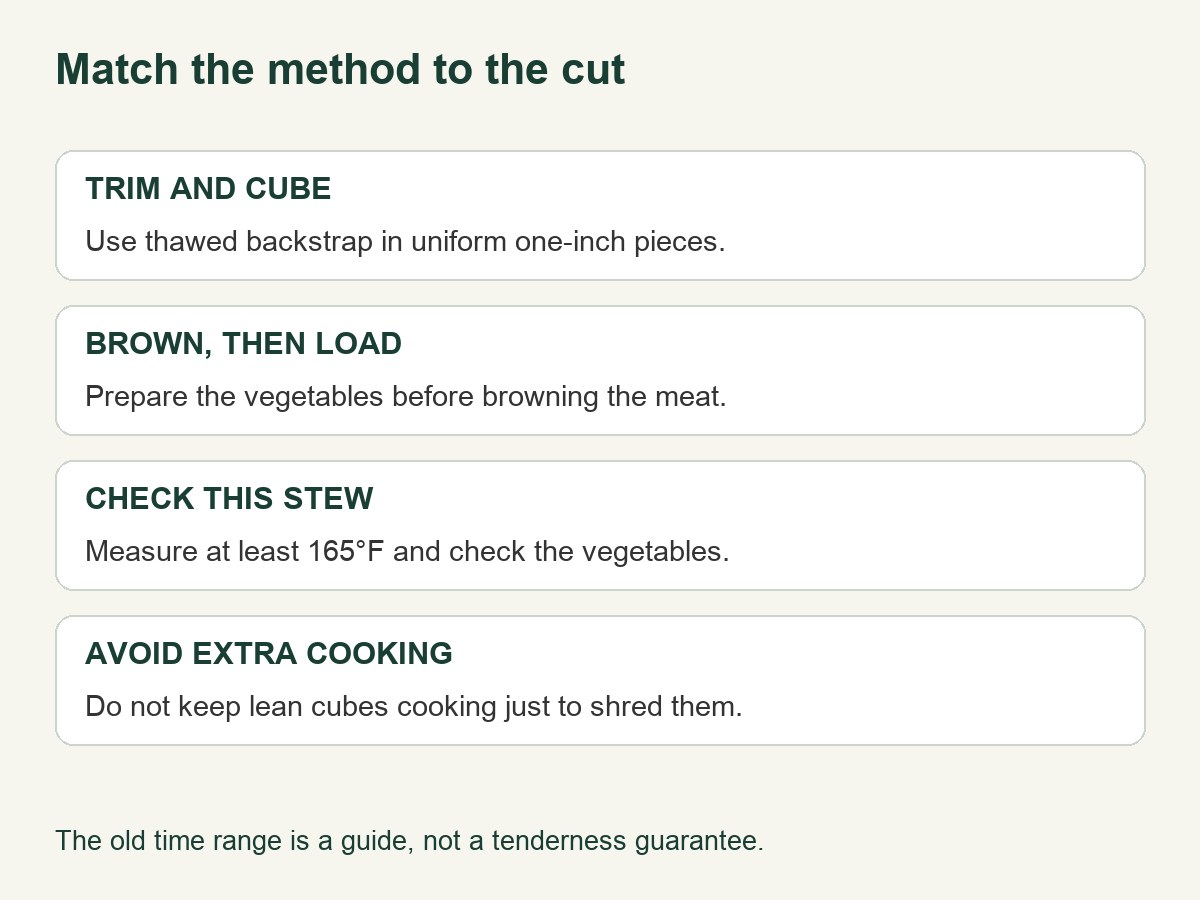
The ingredient list calls for two pounds of usable backstrap cut into approximately one-inch cubes. The older introductory advice about thin medallions did not match that recipe. Keep the pieces reasonably consistent so you can assess several large cubes rather than treating a few small fragments as representative of the whole pot.
Dice the onions, green pepper and carrots before browning the meat. You can then load the cooker promptly, without leaving partially cooked venison waiting while the vegetables are prepared.
Deer backstrap crockpot recipe
Crockpot deer backstrap with vegetables
Author: John Ward. Yield: 8 servings. Preparation: about 20 minutes. Cooking time varies; the older low-setting range was 6–8 hours, but check earlier and use the doneness checks below.
Ingredients
- 2 pounds of venison backstrap (cut into 1-inch cubes)
- 2 tablespoons of olive oil
- 2 cloves of garlic (minced)
- 2 onions (diced)
- 1 green pepper (diced)
- 2 carrots (diced)
- 1 teaspoon of dried rosemary
- 1 teaspoon of dried thyme
- 1 teaspoon of paprika
- 1 teaspoon of salt
- 1/2 teaspoon of black pepper
- 1/4 cup of Worcestershire sauce
- 1 cup of beef broth
- 2 tablespoons of tomato paste
- 1/4 cup of red wine
- 2 tablespoons of cornstarch
Equipment
Slow cooker, skillet, saucepan, food thermometer, bowl and whisk.
Method
- Prepare and brown: Start with fully thawed venison backstrap, trimmed of silverskin and cut into approximately 1-inch cubes. Inspect for bone or shot fragments. Heat the olive oil in a skillet over medium-high heat. Brown in batches, turning to color the surfaces without crowding the pan. The original 10-minute browning estimate is approximate; browning is not a doneness test. Continue directly to slow cooking.
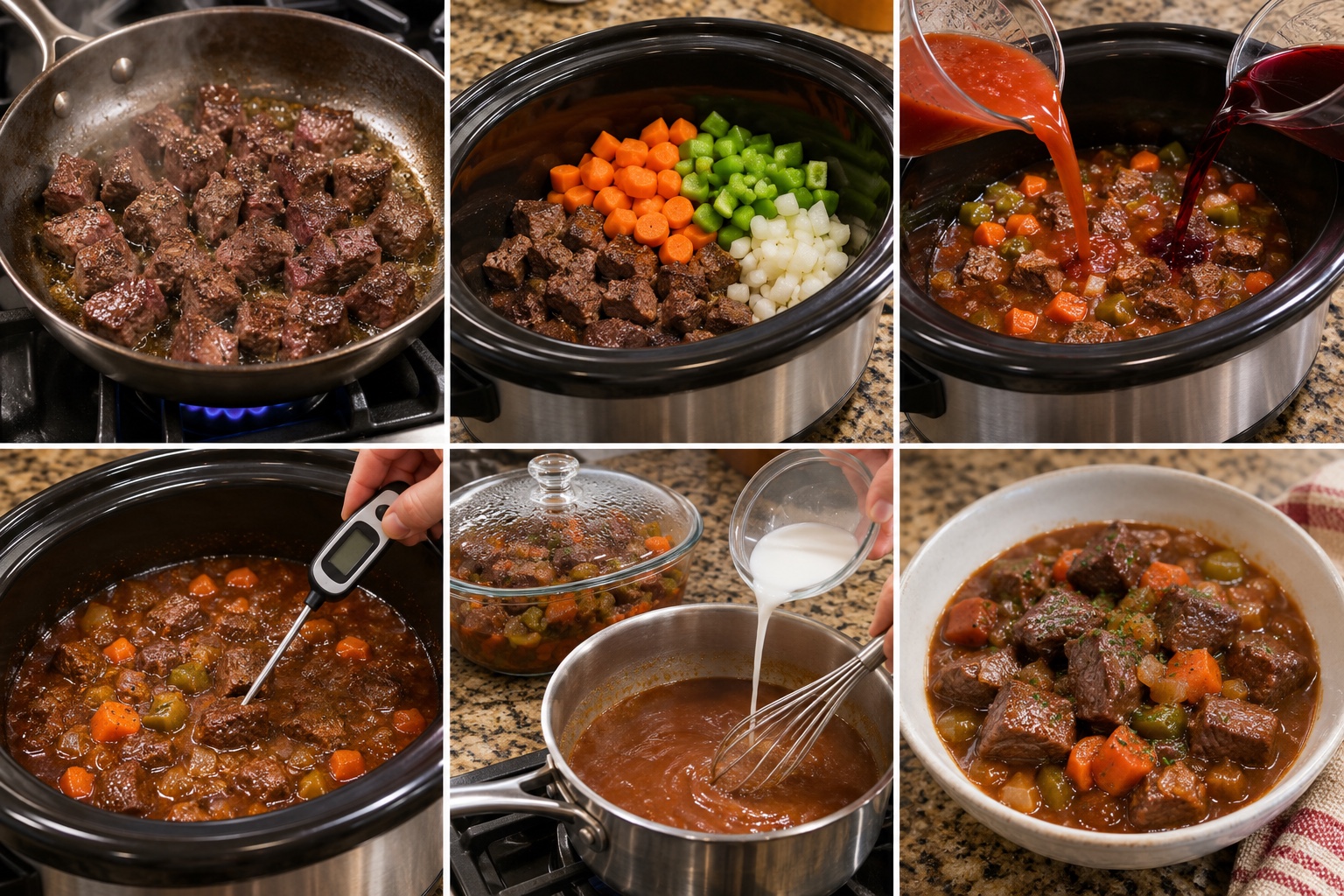
Brown the venison cubes in batches. - Load the cooker: Place the diced onions, green pepper and carrots in the slow cooker, then add the browned venison, garlic, rosemary, thyme, paprika, salt and black pepper. Use a cooker that fits this batch within its recommended loading range.
Load the cooker with vegetables and venison. - Add the sauce: Whisk the Worcestershire sauce, beef broth, tomato paste and red wine together and pour over the ingredients. Follow the appliance instructions for loading and liquid. Cover and begin cooking promptly; do not use a delayed start or the warm setting to cook raw food.
Mix and add the sauce. - Cook and check: Cook on low, checking before the original 6–8-hour estimate has elapsed. The older high-setting estimate was 4–6 hours; neither range is a guarantee for lean backstrap cubes. Keep the lid closed except for necessary checks. Use a food thermometer to confirm at least 165°F throughout this stew-style dish, including several of the largest meat pieces, and check that the vegetables are tender. Continue as needed, but avoid extending cooking solely to make the meat shred.
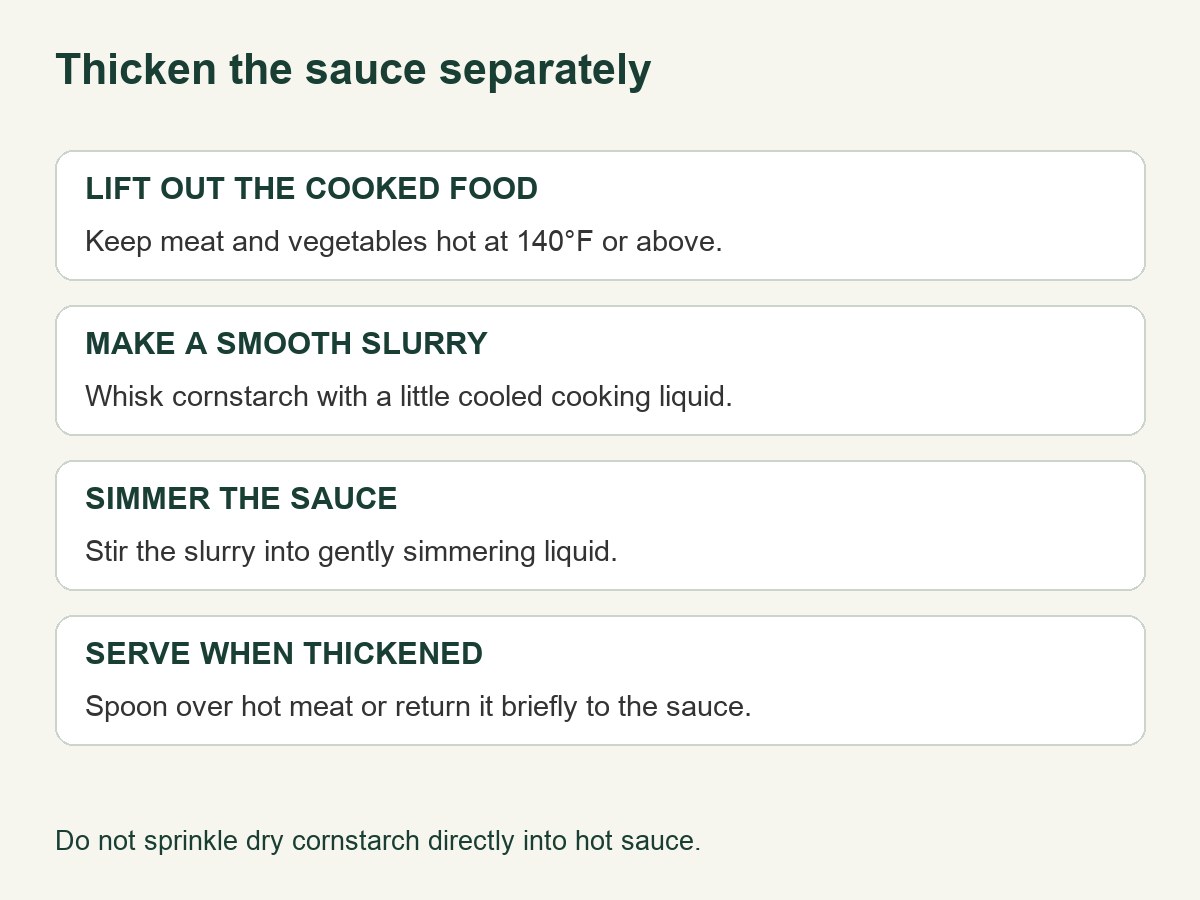
Check the cooked stew with a thermometer. - Thicken separately: Once the meat and vegetables are done, lift them into a covered serving dish and keep hot at 140°F or above. Transfer the cooking liquid to a saucepan. Let a small portion of liquid cool, then whisk it with the cornstarch to make a smooth slurry. Stir the slurry into the gently simmering sauce and cook, stirring, until thickened. Do not sprinkle dry cornstarch directly into the hot sauce. Return the hot meat and vegetables to the sauce or spoon the sauce over them.
Thicken the sauce separately. - Serve and store: Serve hot with mashed potatoes or cooked noodles, as desired. Divide leftovers into shallow containers and refrigerate within 2 hours. Reheat leftovers to 165°F using the stove, microwave or oven rather than reheating in a slow cooker.
Serve the backstrap and vegetables.
Recipe update: The original 16 ingredients, quantities and serving yield are retained. The method now specifies thawing, measured doneness and a separate sauce-thickening step instead of extra cooking of already-done backstrap. No kitchen-testing claim or fixed tenderness guarantee is made.
Make the sauce smooth
Whisk the tomato paste into the broth, Worcestershire sauce and wine before pouring them into the cooker. This distributes the paste more evenly than leaving it in a lump on top of the meat. The base recipe is not a cream-of-mushroom-soup preparation, and it does not require an onion-soup packet.
The cornstarch belongs at the finishing stage. Whisk it into a small cooled portion of the cooking liquid first, then stir that slurry into simmering sauce. Dry starch dropped straight into hot liquid can form lumps. Stir until the sauce thickens, using its consistency rather than a compulsory extra fifteen minutes as the stopping point.
Finishing the sauce in a saucepan gives you more control while the completed meat is kept hot separately. If the sauce becomes thicker than you want, stir in a little hot water or broth; that is an optional adjustment beyond the original measured ingredient list. Return the meat only when the sauce is ready to serve.
Use temperature checks, not a fixed all-day promise
The old instructions gave six to eight hours on low or four to six hours on high. Those ranges are planning references, not validated completion times for every appliance or batch. Check before the end of the suggested range and avoid holding lean cubes at cooking temperature longer than needed.
For this stew-style recipe, check for at least 165°F throughout, including several large pieces of meat. The Minnesota Department of Agriculture recommends a thermometer and warns that color is not a reliable doneness test. University of Missouri Extension specifically gives 165°F for stews and reheated leftovers.
Also check the vegetables. If they are still firm, cooking is not finished merely because one cube has reached temperature. Even cuts, vegetables loaded first and a cooker sized for the batch help keep the components on a similar schedule.
Follow USDA slow-cooker guidance: thaw meat first, keep ingredients refrigerated until preparation, use an appropriate load and keep the lid in place except for necessary checks. Do not use the warm setting or a delayed-start timer to begin cooking raw ingredients.
Ingredient options and availability
You can use ingredients already in your pantry. The options below were checked on November 6, 2026; availability can change.
Check the package size, ingredients and selected offer before ordering. Availability changes, and a packaged ingredient's dietary claims do not establish that the finished recipe meets every dietary need.

Amazon Grocery Extra Virgin Olive Oil, 2 L
In stock when checked on November 6, 2026; availability can change.
Check Price
Spice Appeal Dried Rosemary, 8 oz
Limited stock when checked on November 6, 2026; availability can change.
Check Price
Badia Whole Thyme Leaves, 8 oz
In stock when checked on November 6, 2026; availability can change.
Check Price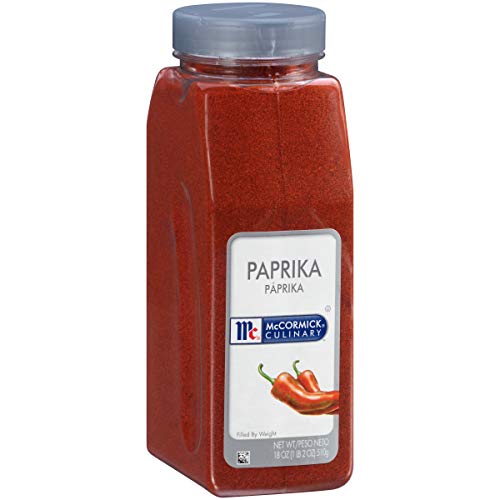
McCormick Culinary Paprika, 18 oz
In stock when checked on November 6, 2026; availability can change.
Check Price
Morton Plain Salt, 26 oz, 2-pack
In stock when checked on November 6, 2026; availability can change.
Check Price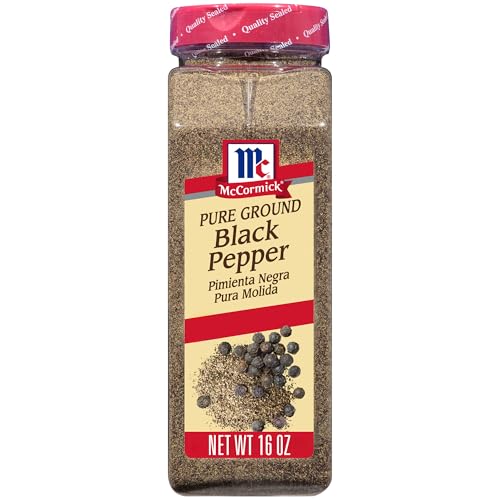
McCormick Ground Black Pepper, 16 oz
In stock when checked on November 6, 2026; availability can change.
Check Price
Lea & Perrins Worcestershire Sauce, 15 fl oz
In stock when checked on November 6, 2026; availability can change.
Check Price
Amazon Grocery Beef Broth, 32 oz
In stock when checked on November 6, 2026; availability can change.
Check Price
Cento Organic Tomato Paste, two 4.56 oz tubes
Limited stock when checked on November 6, 2026; availability can change.
Check Price
Roots Circle Corn Starch, 17.63 oz
In stock when checked on November 6, 2026; availability can change.
Check PriceWild-game safety
Follow local chronic wasting disease (CWD) testing recommendations and do not eat meat from an animal that tests positive. Cooking or freezing does not make CWD-positive meat safe. See CDC guidance.
Serving and leftovers
Serve the backstrap and vegetables with the finished sauce over mashed potatoes or cooked noodles. Those sides are optional additions, not ingredients in the original sixteen-item list. A green salad or cooked greens gives a contrast to the rich sauce.
For a related slow-cooked game dish, see the original linked deer stew in the crock pot recipe. Keep each recipe's ingredient quantities and method together rather than mixing instructions between them.
Transfer leftovers to shallow containers and refrigerate within two hours. Reheat in a saucepan, microwave or oven until the food reaches 165°F throughout. USDA advises against reheating cold leftovers in the slow cooker; it can hold already-hot food after reheating, provided the food stays at 140°F or above.
If you intend to freeze portions, label them with the dish and date and thaw them in the refrigerator before reheating. Reheat only the portion needed rather than repeatedly warming the entire batch.
Common questions
Can I use a whole backstrap instead of cubes?
That changes the recipe. A whole piece heats differently from one-inch cubes, so the old timing cannot be transferred reliably. This version follows the original cubed preparation.
Do I have to brown the venison?
Browning is part of the original method and adds surface color and flavor. It does not seal in juices or prove that the meat is safely cooked. Move directly from browning to the loaded cooker.
Can I leave it cooking until it shreds?
Do not make shredding a target for lean backstrap cubes. Check measured doneness and the intended texture, then finish the sauce separately. More time is not a guarantee of a better result.
Can I leave out the wine?
For a wine-free variation, replace the quarter cup of red wine with the same amount of additional beef broth. That is a substitution rather than the original ingredient list, and the sauce's flavor will change. Do not claim that the original wine version is alcohol-free simply because it has been cooked.
Is this gluten-free?
Check the broth, Worcestershire sauce, cornstarch and all other packaged ingredients against your requirements. Noodles and other serving sides also matter. An ingredient-link label does not establish a gluten-free finished meal.