
Best Bow Hunting Jacket: Fit, Layers and Weather Protection
We may earn commission for items you purchase. As an Amazon Associate we earn from qualifying purchases.
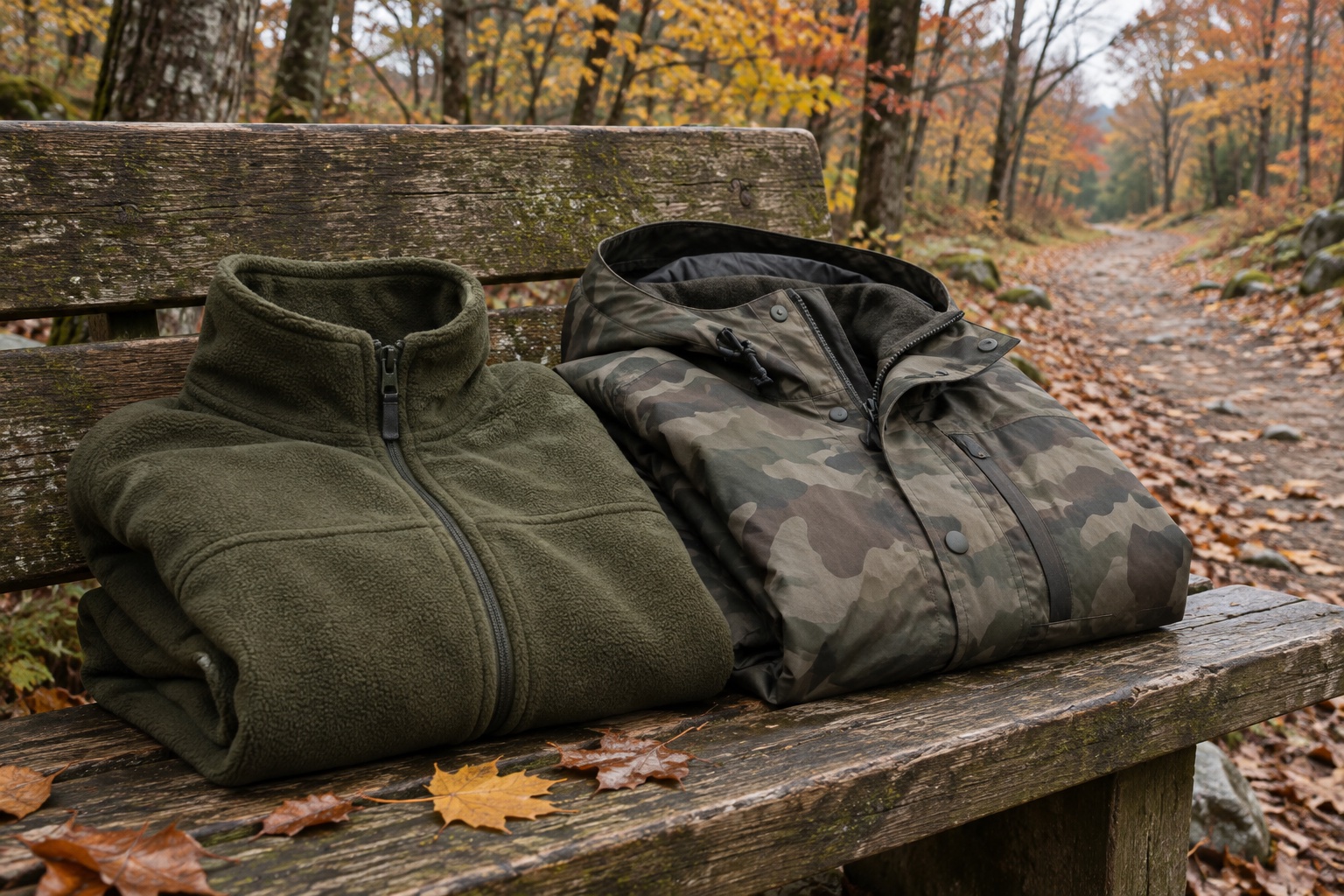
The right bow hunting jacket depends on whether you spend the day walking, sitting in the cold or dealing with rain. Start with a fit that leaves room for your layers and arm movement, then choose insulation and weather protection for the forecast. Quiet fabric can matter, but no listing can promise silence in every condition.
We compared the current product specifications and Amazon listings below; we have not independently field-tested these jackets for this article. Availability and fit vary by size and color.
Choose a jacket for how you hunt
- Moving in cool weather: a breathable midlayer or softshell may be more comfortable than heavy insulation. Adjust layers before you sweat heavily.
- Sitting in cold weather: allow space for insulation and consider a larger, warmer outer layer you can put on after walking in.
- Rain or wet snow: compare a suitable waterproof shell, including seam construction and coverage. A water-repellent softshell is not equivalent to a dedicated rain jacket.
- Variable conditions: a base layer, insulation and separate shell let you adjust each component as weather and exertion change.
Four jackets and layers to compare
As an Amazon Associate, Sportsman Crew earns from qualifying purchases. Check the exact size, color and package before ordering.
HOT SHOT Insulated Twill Jacket
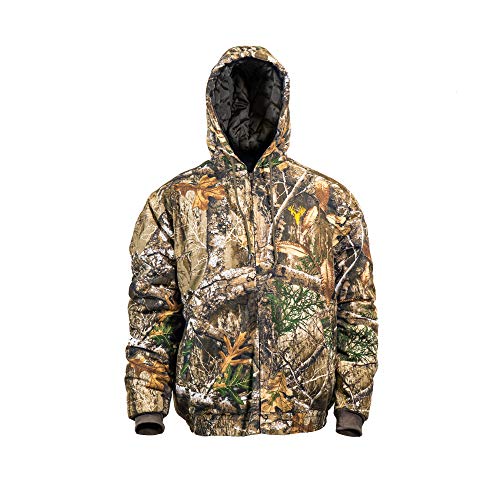
Insulated cotton shell
HOT SHOT Insulated Twill Jacket
Check the selected size, color and availability.
The checked Realtree Edge extra-large listing describes a cotton twill shell with polyester fill and lining. It is an insulated option to consider for a colder, slower sit. Cotton is not inherently waterproof, and bulk and sleeve fit should be checked with the layers you wear.
NAVEKULL Fleece-Lined Softshell

Softshell with vents
NAVEKULL Fleece-Lined Softshell
Check the selected size, color and availability.
The checked listing describes a polyester-spandex outer, polyester lining, underarm vent zippers and a water-resistant shell. It is an option to compare for changing activity levels. Water resistance is not the same as a waterproof, seam-sealed rain shell; confirm the exact size and selected variant.
SCENTBLOCKER Drencher Rain Jacket

Lightweight rain layer
SCENTBLOCKER Drencher Rain Jacket
Check the selected size, color and availability.
The checked Mossy Oak Country Roots extra-large listing describes a waterproof hooded shell with taped seams. Check the size over your intended insulating layers and verify the current listing details. A rain shell is not a substitute for adequate insulation on a cold sit.
Mossy Oak Women’s Sherpa Fleece Jacket

Fleece insulation
Mossy Oak Women’s Sherpa Fleece Jacket
Check the selected size, color and availability.
The checked listing describes an outer microfleece layer, sherpa lining and zippered pockets. It is a fleece option to compare for insulation; the listing describes shedding light rain and snow, not a seam-sealed waterproof shell. Confirm the chosen size and color.
Fit and practical features
Shoulders, sleeves and layers
Try the jacket with the clothing you plan to wear underneath. Raise and move your arms and check that shoulders and elbows do not bind or pull the hem up. Examine sleeve and cuff fit, closures and any loose cords in a safe setting; the correct fit varies by person and setup. Avoid compression that makes insulation less comfortable, but do not assume an oversized jacket will work better.
Fabric noise, pockets and visibility
Move the fabric against itself and the gear you carry to judge sound; rain, freezing weather and layers can change how it sounds. Pockets should remain useful with a pack or harness and should close securely. Check your state’s current visibility requirements for the exact season and location. A camouflage jacket does not replace any required fluorescent garment.
Waterproof or water-resistant?
A water-repellent surface can shed some light precipitation, while sustained rain calls for suitable waterproof construction. Read the exact product’s fabric and seam specifications. A waterproof shell can still become uncomfortable from trapped perspiration, and coatings need care; follow the maker’s instructions.
Layering and cold-weather planning
A base layer helps manage moisture, insulation retains heat, and an outer shell helps protect against wind and precipitation. Adjust the amount of insulation for a climb versus a stationary sit. REI’s layering guide explains the role of each layer.
Stay as dry as practical and carry suitable spare clothing. Hypothermia can occur even above freezing when a person becomes chilled while wet. The CDC lists shivering, confusion, exhaustion and fumbling hands among warning signs; seek emergency medical help if hypothermia is suspected and move the person to warmth while awaiting help.
Common questions
Should a bow hunting jacket be insulated?
It depends on temperature and exertion. Insulation can help during a cold sit, while a lighter layer may be more comfortable on a strenuous walk. Consider carrying insulation to add when you stop.
Is a softshell waterproof?
Not necessarily. Many softshells are water-resistant rather than fully waterproof. Check the specific garment’s fabric, seams and manufacturer guidance, and bring a suitable rain layer when needed.
Does a higher-priced jacket guarantee better performance?
No. Fit, weather protection, construction, features and warranty matter more than price alone. Compare the details that match your actual conditions.
For related clothing choices, see our hunting work pants guide and cold-weather glove guide.