What Is a Good Compound Bow for Hunting? A Buyer’s Guide
We may earn commission for items you purchase. As an Amazon Associate we earn from qualifying purchases.
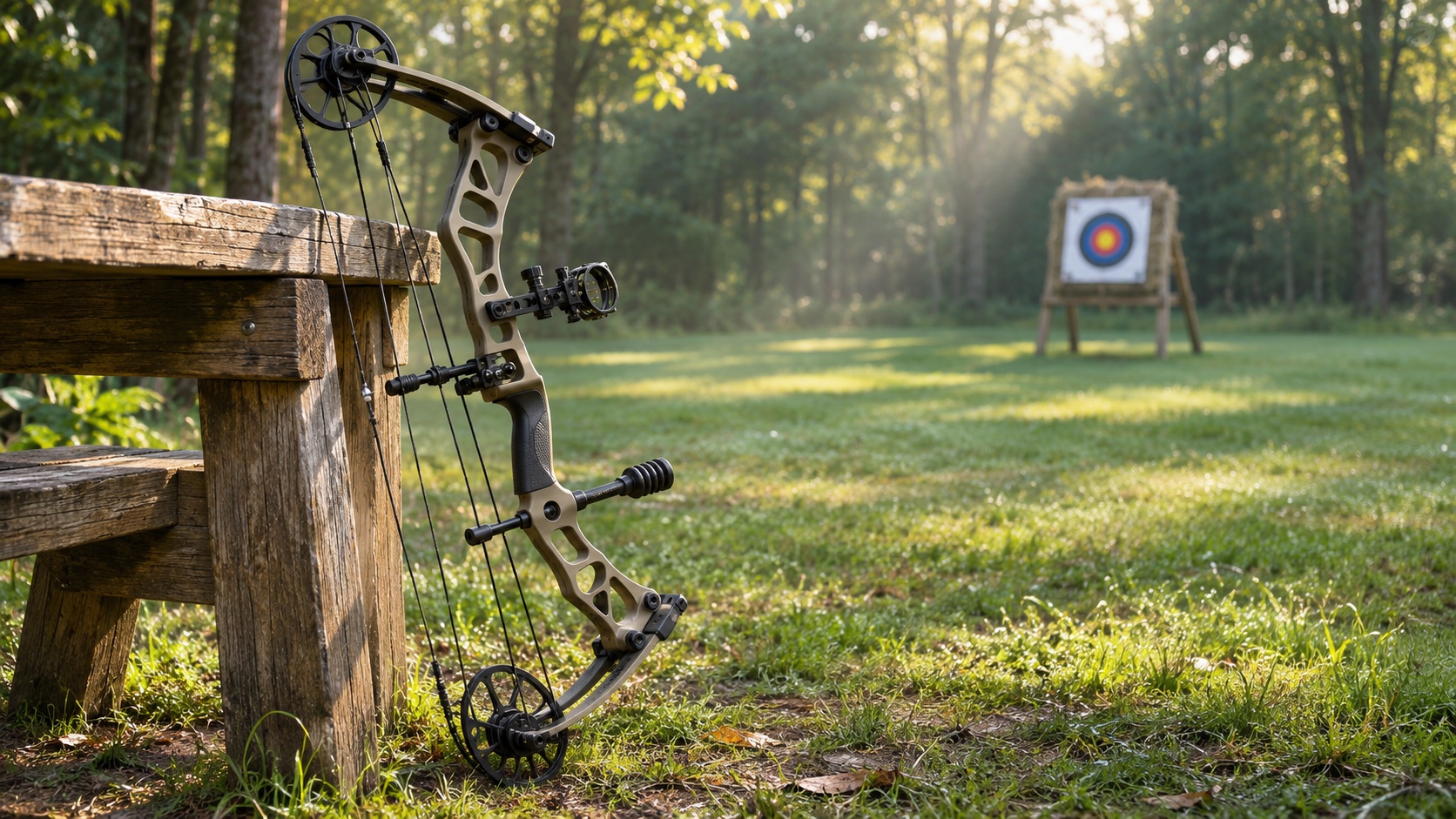
A good hunting compound bow fits your draw length, has a draw weight you can manage comfortably and meets the rules where you intend to hunt. The best choice also fits your budget after accessories and setup—not just the bow’s advertised specifications.
Start with a fitting at an archery shop and compare several models in person. The examples below use manufacturer information; they are not hands-on reviews, and availability can change.
What makes a good compound bow for hunting?
Fit comes first
Draw length is a measurement used to fit the bow to the archer; it is not simply the distance between the bow hand and string. An archery shop can measure you and help you find a comfortable setup. Archery 360’s draw-length guide explains why the right measurement matters before buying.
Choose manageable draw weight
Draw weight is the force required to draw the bow, with a compound bow’s holding weight reduced at full draw by its let-off. Choose a weight you can handle comfortably and consistently. Hunting regulations may set requirements that vary by jurisdiction and game, so check your wildlife agency’s current rules before choosing a setup.
Size, weight and adjustability
Axle-to-axle length and bare bow weight affect how much space and weight you carry, but preferences vary. Confirm the actual draw-length and draw-weight range of the exact configuration. Some adjustments require different parts or qualified service, while others have a wider range built in.
Compound bows to compare
These are examples of different approaches to fit and packaging, not a ranked list. Check specifications, handedness, included accessories and availability with the manufacturer or a local dealer.
Diamond Edge XT: broad adjustment range
Diamond’s specifications list a 19–31 inch draw-length range, 20–70 pound draw-weight range and 31-inch axle-to-axle length. It is an example to consider if adjustability is a priority; confirm what is included in the selected package.
Bear Adapt 2 RTH: an accessory package
The Bear Adapt 2 RTH is listed with a 24–31 inch draw-length range and two draw-weight options: 45–60 or 55–70 pounds. Bear describes a package including a sight, rest, quiver and stabilizer. Verify the chosen option and what additional equipment or setup you need.
Mathews ARC 30: a model-specific fit
Mathews lists the ARC 30 at 30 inches axle to axle with draw lengths of 25–30.5 inches. Ask an authorized retailer about the configuration and compatible accessories for your measurements. Our Mathews comparison covers additional models.
A practical buying checklist
- Have a shop measure your draw length and discuss comfortable draw weight and local requirements.
- Compare handedness, size, weight and available adjustment for each model you try.
- Ask which accessories, arrows, release, fitting and service are included in the quoted setup.
- Review warranty terms and the availability of replacement strings, cables and model-specific parts.
- For a used bow, have a qualified technician inspect its condition and check whether it can be fitted to you.
Care and safety
Follow the owner’s manual and have a qualified technician address damaged components or necessary servicing. Never dry-fire a bow: releasing the string without an arrow can damage equipment and cause injury. Archery 360 explains dry-fire risks. Use an appropriate practice range and follow local safety and hunting rules.
Common questions
Is a higher draw weight always better?
No. Choose a weight you can handle consistently and that meets applicable local rules. Comfort, fitting and practice matter.
What does ready-to-hunt mean?
It generally describes a bow sold with a selection of accessories. Packages differ, and a retailer should still check fit, setup and any additional equipment needed.
Is a short bow best for every hunter?
No. A shorter bow may take up less space, but comfort, fit and handling vary by model and person. Compare more than axle-to-axle length.
Can a beginner use a compound bow?
Yes. A qualified instructor and an archery shop can help a beginner find a properly fitted bow and learn safe habits. Choose a model and configuration that match the individual.
For a deer-specific discussion, see our compound bow guide for deer hunting.