
Best Hunting Meals: Easy Camp Food and Packable Options
We may earn commission for items you purchase. As an Amazon Associate we earn from qualifying purchases.
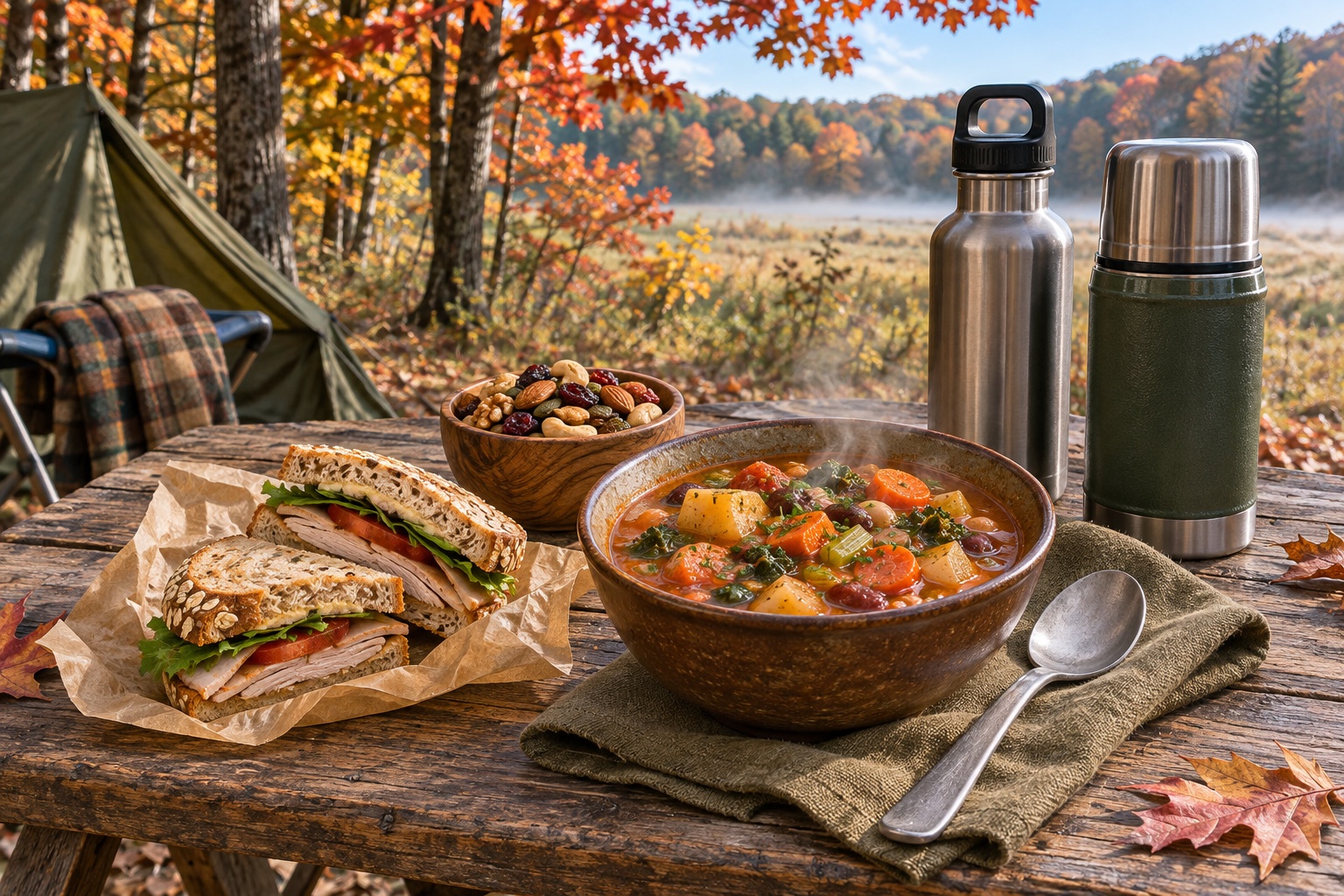
The best hunting meal is one that fits your trip: a quick breakfast before leaving camp, a ready-to-eat lunch in your pack, or a warm dinner after a long day outdoors. Choose food that you can safely store and prepare with the water, time and equipment you actually have.
This guide covers simple meal ideas, food-storage basics and a selection of verified packaged options. It is a research-based comparison, not a field test. As an Amazon Associate, we earn from qualifying purchases.
Hunting meal ideas for camp and the field
Breakfast before the trail
Oatmeal, nuts and dried fruit are easy pantry options; eggs and tortillas make a hot breakfast when camp has a suitable stove and refrigeration. For a lighter pack, a freeze-dried breakfast may be useful, but allow time and safe water for preparation.
No-cook lunch and snacks
Pack crackers or tortillas with a sealed shelf-stable protein pouch, nut butter, trail mix or dried fruit. A pouch of tuna or chicken is a protein component, not necessarily a complete meal; add foods that fit your energy needs and preferences. Perishable sandwiches still need a cold source.
A warm dinner at camp
Chili, stew and rice bowls can be prepared in advance and kept safely chilled, or made from shelf-stable ingredients at camp. A freeze-dried pouch saves preparation time but needs water and usually a way to heat it. Pack enough water and fuel for the whole group and a backup plan if conditions prevent cooking.
Packable food and camp-cooking options
The following listings were checked using Amazon’s catalog on November 7, 2026. Availability can change. Check exact package sizes, serving counts, allergens and preparation instructions before buying.

Freeze-dried dinner
Mountain House beef stroganoff
Requires water and preparation as directed on the packet; check the serving count and ingredients for your group.

Freeze-dried breakfast
Mountain House scrambled eggs with bacon
A breakfast option that requires water and preparation. Check the selected flavor and package instructions.
Plant-based meal
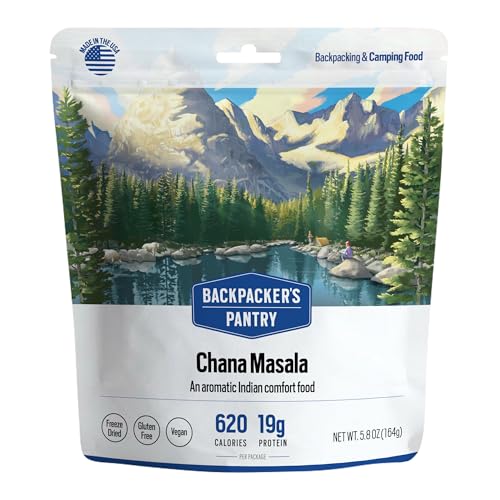
Backpacker’s Pantry chana masala
A shelf-stable freeze-dried option for a warm meal. Check the label for preparation, allergens and servings.

No-cook protein
StarKist light tuna pouches
Ready-to-eat tuna pouches can be paired with crackers or tortillas. Check the label for storage and serving information.

No-cook protein
StarKist white chicken pouches
Ready-to-eat chicken pouches are useful in wraps or rice bowls. Follow the package storage instructions.

Camp-cooking inspiration
Blackstone Griddling cookbook
The original article linked this outdoor-griddle recipe book; it is a cookbook, not a prepared meal.
How to choose hunting meals
Match food to your trip
For a day hunt, favor food that can be eaten with little preparation. For a backcountry overnight, compare weight, water needs and waste. At vehicle-accessible camp, a cooler and a stove can expand the menu—provided you can keep food at safe temperatures and use the stove outdoors.
Nutrition and portion size
Read the nutrition label for servings per package, calories, protein, sodium and allergens. The number of servings on a pouch may not match what your group wants to eat. Pair snacks and meals to suit individual needs instead of treating one product as a complete diet.
Weight, water and energy
Nuts, nut butters and other shelf-stable snacks can add energy without much bulk, while freeze-dried dinners reduce carried food weight but require additional water. Weigh the whole system, including fuel, packaging and a safe water source.
Preparation and portability
Check whether a meal is fully ready to eat or needs water, heating or refrigeration. Plan for utensils, safe drinking water and a way to pack out wrappers. Avoid carrying damaged, swollen or leaking packages.
Shelf life and storage
Look at the date and storage instructions on the actual package. Shelf-stable food does not require refrigeration while properly sealed, but opened food may need refrigeration or prompt use. Do not assume a manufacturer's unopened-package shelf life applies after opening.
Taste and variety
Try new foods before the trip, especially if dietary restrictions matter. Vary flavors and textures, and include an alternative in case someone dislikes an item or cannot eat a listed ingredient.
Keep camp food safe
Use a cooler with enough ice or frozen packs and check that perishables stay at or below 40°F (4°C). Keep raw meat and its juices separate from ready-to-eat food. USDA's outdoor food-safety guidance covers safe packing for camping and hiking.
Do not leave perishable food in the temperature danger zone for more than two hours, or one hour when the air temperature is above 90°F, according to USDA guidance. Use a food thermometer for cooked foods and follow safe minimum temperatures for the ingredient. Use a portable camp stove outdoors, never inside a tent or enclosed camper, because of carbon-monoxide risk.
In bear country, store food, scented items and trash according to the land manager's rules. A cooler is not automatically a bear-resistant container. The National Park Service explains that requirements differ by location.
A simple hunting-meal checklist
Pack enough food and safe water for each day, plus an extra shelf-stable option. Check the weather, cooking method, cooler temperature, dietary needs and local wildlife-storage rules before leaving. A realistic plan makes meals easier and safer.