Vanilla Extract Deer Attractant Recipe: Ingredients and Limits
We may earn commission for items you purchase. As an Amazon Associate we earn from qualifying purchases.
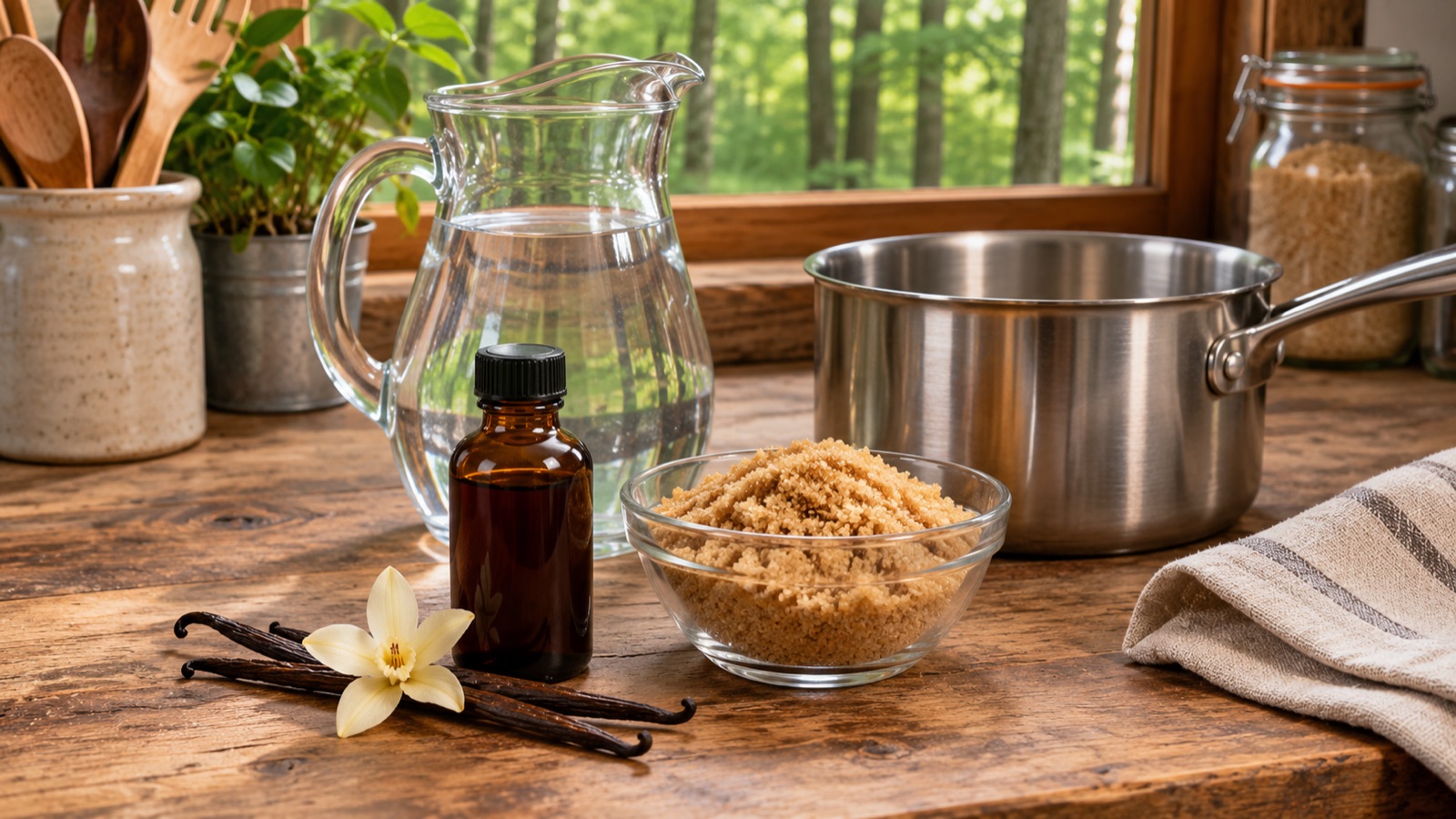
This homemade vanilla extract deer attractant recipe combines light brown sugar, pure vanilla extract and water. The original quantities and cooking steps are preserved below. What we cannot promise is that the mixture will attract deer, hide human scent or be appropriate to put outdoors.
Before considering use, check the current baiting, feeding and attractant rules for your exact location. A sweet liquid can contain food ingredients even when it is called a scent. This is a description of the site's original recipe, not a tested wildlife-feeding recommendation.
The original three-ingredient recipe
- 2 cups of light brown sugar
- 2 tablespoons of pure vanilla extract
- 1 gallon of water
The earlier introduction also mentioned honey, molasses and apple cider vinegar, but those ingredients were not in its measured recipe. They are not part of the formula retained here. Use the written ingredient list rather than adding unmeasured extras.
Original preparation steps
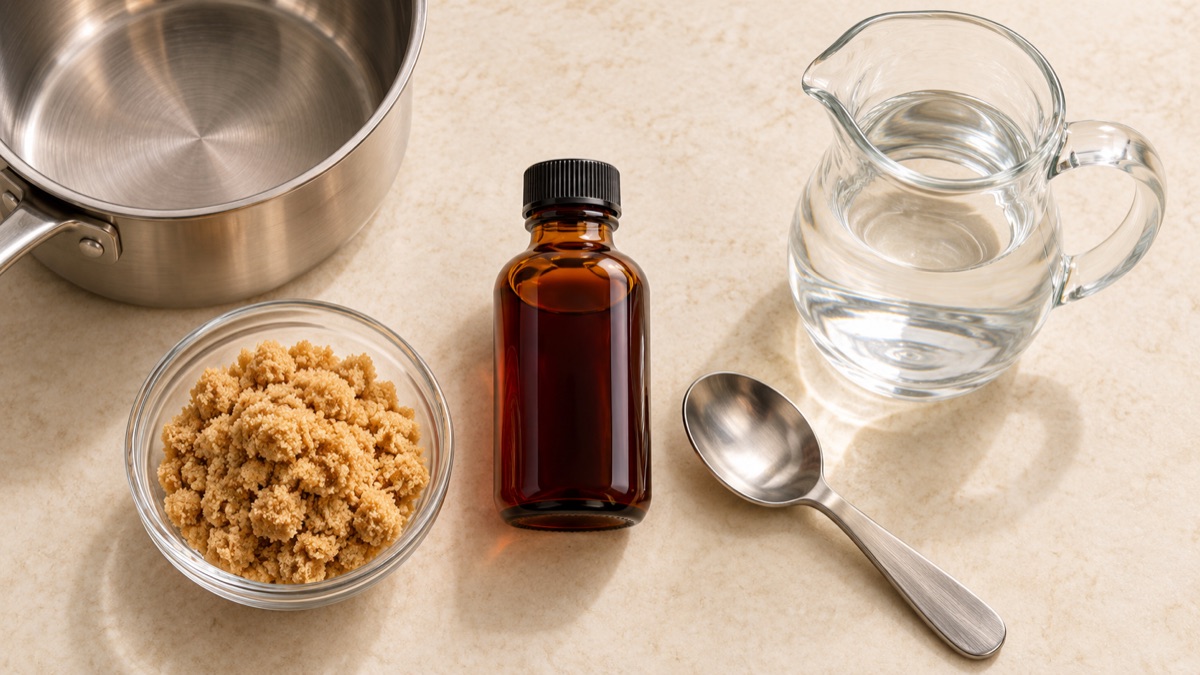
- In a large pot, combine the light brown sugar, vanilla extract and water. Mix until the sugar is fully dissolved.
- Bring the mixture to a boil, then reduce the heat to low and simmer for 15 minutes.
- Remove the pot from the heat and allow the mixture to cool completely.
- Transfer the cooled mixture to a glass jar or bottle with a lid.
These are the original preparation instructions. The 15-minute simmer is not a validated preservation method, and it does not establish an effective scent concentration or safe wildlife dose. The initial water measure is one gallon; evaporation means the finished volume is not precisely specified.
Storage is an unresolved part of the recipe
The previous version recommended a cool, dark storage place and refreshing the mixture every two weeks. We have no tested shelf life for this formula and no evidence supporting that interval. Do not treat it as a shelf-stable canned product or use smell alone to establish safety. There is no verified reason to make a large batch in advance.
Original ingredient links: current verification
The two historical Amazon links remain below with their original tracking. On November 3, 2026, Amazon's product API returned both identifiers as invalid. We could not verify current packages, offers or product photographs. These are references to the earlier article's listings, not confirmed current buying recommendations. We earn from qualifying purchases through affiliate links.
Ingredient listing
Original light brown sugar listing
Invalid identifier on November 3, 2026; current product and photo could not be verified. Historical destination retained.
Ingredient listing
Original pure vanilla extract listing
Invalid identifier on November 3, 2026; current product and photo could not be verified. Historical destination retained.
If you already have ingredients, read their labels. The preserved formula specifies light brown sugar and pure vanilla extract. A vanilla-flavored syrup, imitation flavoring or another sweetener is a different ingredient; this article does not establish interchangeable amounts or equivalent results.
Does vanilla extract actually attract deer?
Hunter anecdotes describe deer investigating vanilla scents, but anecdotes do not establish a dependable result. The earlier article said studies proved attraction without identifying a study. That claim has been removed. We have not established controlled evidence for this particular sugar-and-vanilla mixture, its concentration, or its ability to improve hunting success.
A deer appearing near a scented spot would not by itself show that the recipe caused the visit. The animal may already use that route. A useful observation record would need to distinguish normal visits from any change, and any field activity would first have to comply with local rules. This guide does not present generated illustrations or product descriptions as field-test evidence.
The recipe also has no established success rate for white-tailed deer, mule deer or elk. There is no supported “perfect amount” of vanilla that guarantees interest without alarming an animal.
Check baiting and feeding rules before outdoor use
Do not assume that a liquid is exempt from baiting rules. Minnesota DNR's baiting guidance, for example, says deer hunting with bait is prohibited statewide. It distinguishes non-food liquid scents from products containing liquid or solid food ingredients and specifically warns about sugar-containing attractants. This recipe includes brown sugar, so calling it a scent does not remove that concern.
Minnesota is an example, not a nationwide rule. Check your state wildlife agency, county restrictions and the rules for the particular property or public-land unit. Give the agency the complete ingredient list and intended activity: hunting, observation and recreational feeding can be regulated differently. Landowner permission does not replace those rules.
Restrictions can also apply outside hunting season. Do not rely on an old forum comment, a product label's marketing language or another state's exemption to decide what is allowed where you are.
Wildlife health and non-target animals
The old claim that vanilla extract is harmless to deer was broader than the evidence. An ingredient's use in human food does not establish a safe wildlife dose or prove that concentrating animals at a site is appropriate.
In its September 11, 2026 guidance, Wisconsin DNR recommends avoiding deer baiting and feeding even where bans are not in effect. The agency explains that gathering deer at shared sites can increase opportunities for chronic wasting disease transmission, including indirect contact with a contaminated environment. That concern is about the practice of concentrating animals, not evidence that vanilla itself causes CWD.
We also have no basis for the previous version's contradictory claim that vanilla would attract bears and raccoons yet keep them away. Do not use this recipe as a wildlife repellent, and do not leave sweet mixtures accessible around a home or campsite on the assumption that only deer will investigate.
Observation without added bait
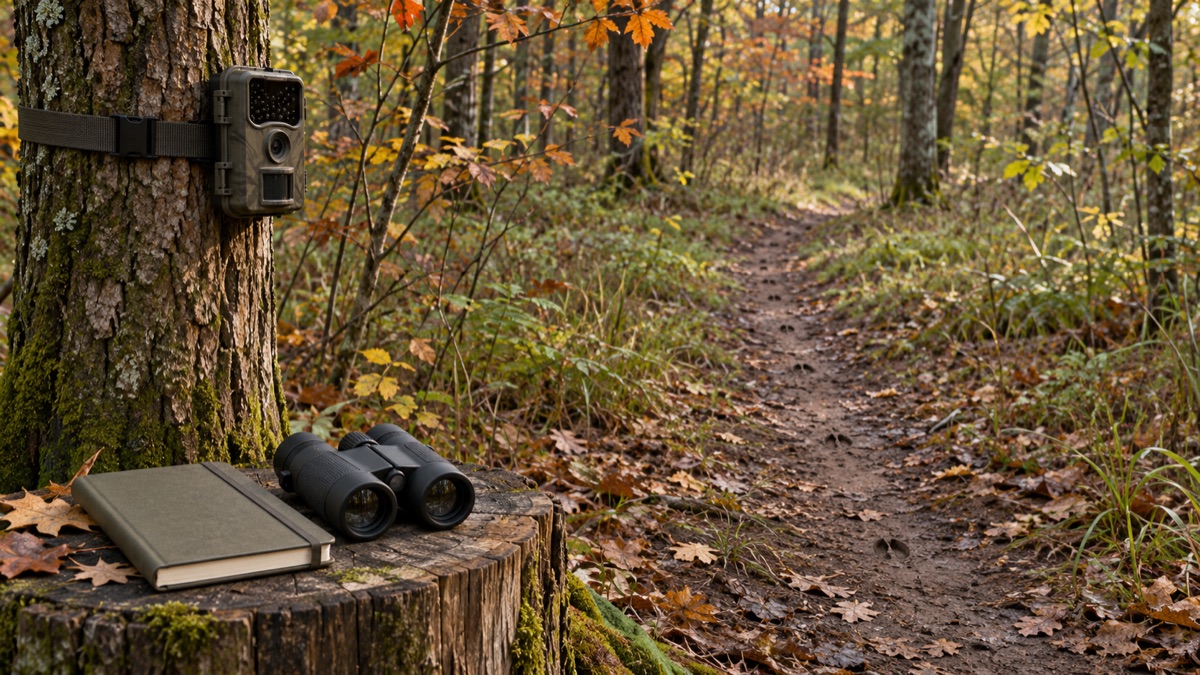
A practical alternative is to observe existing routes and record activity without putting out a food mixture. Where permitted, a trail camera can document an established trail while you keep notes on time, weather and location. Our trail camera comparison explains current and unavailable camera options without treating a camera purchase as a guarantee of deer sightings.
This approach also avoids confusing attraction to a new mixture with normal use of a route. Check camera-placement and access rules separately, and avoid disturbing wildlife while collecting observations.
Our Kool-Aid deer attractant recipe preserves another historical formula and discusses similar evidence and baiting limitations. Changing from vanilla to drink powder, corn, molasses, fruit or salt is not a shortcut around rules or wildlife-health considerations. For diet context, see the article on deer and alfalfa; a food preference is a separate question from whether deliberately feeding wildlife is advisable or legal.
Frequently asked questions
Can vanilla extract hide human scent?
This review found no verified basis for promising that vanilla masks a hunter's scent from deer. Adding another smell is not proof that the original odor becomes undetectable. The old claim that deer are not particularly sensitive to human scent should not be relied on.
Should I spray it on clothing, trees or the ground?
The original article proposed those uses without establishing efficacy or checking location-specific restrictions. We are not retaining them as blanket recommendations. Resolve the applicable rules and the limitations of the recipe before considering any outdoor application.
Can I substitute imitation vanilla?
The preserved formula calls for pure vanilla extract. We have no comparison demonstrating that imitation vanilla performs the same way or that either version reliably attracts deer. A substitution would change the original recipe rather than reproduce it.
Is homemade vanilla better than a commercial attractant?
We have no comparative test establishing that. A simple ingredient list or a pleasant smell does not demonstrate better results, and a commercial label does not establish that a product is permitted at your location. Compare evidence and applicable rules rather than assuming either option is superior.
Does boiling make the mixture safe for wildlife?
No such conclusion is supported by this recipe. Its cooking step is not a wildlife-safety study, a preservation test or evidence that outdoor feeding is appropriate.
How often should I refresh it?
There is no validated refresh interval here. The former two-week recommendation was unsupported. Do not use that number as a shelf-life or effectiveness claim.
What is the main takeaway before mixing?
The formula is simple, but its result is uncertain. Keep the measured recipe distinct from claims about attraction, and check current local rules before planning any field use. Observation without added bait is an alternative that does not depend on this unverified mixture.