
NSP-3 Night Vision Scope: History, Specifications and Modern Viewers
We may earn commission for items you purchase. As an Amazon Associate we earn from qualifying purchases.

The NSP-3 is a Soviet-era image-intensifying night sight, not a modern digital or thermal camera. A 1968 technical manual describes a device that amplifies naturally available nighttime light and produces a monochrome image viewed through an eyepiece.
This guide summarizes the historical manual and distinguishes the NSP-3 from contemporary observation devices. The modern viewers below are not NSP-3 replacements for mounting or aiming; they are separate handheld or head-mounted options for observation.
What is the NSP-3?
The 1968 NSP-3 technical description, a Russian-language historical source, identifies it as a night sight and explains that it amplifies a dim image formed using natural night illumination. It describes an image-intensifier tube and an eyepiece, with a yellow-green monochrome image. It does not describe a five-inch LCD, digital zoom or a thermal imaging mode.
Names and markings in surviving examples can vary. Check the markings and documentation of an individual item rather than assuming that devices with similar names have identical specifications. The historical manual is in Russian and its online transcription contains scanning errors.
Historical specifications in the 1968 manual
The manual lists 2.7× magnification, a 7-degree field of view and a weight of approximately 2.7 kilograms with its power source. These are historical specifications for the described configuration, not verified measurements of every surviving unit. The manual also says usable visibility depends on illumination, atmospheric clarity and contrast; it does not guarantee a clear image in all darkness or weather.
Old optics, electrical components and batteries can deteriorate. Treat an unknown unit as a collectible requiring a knowledgeable inspection; do not assume an old battery, power source or seal remains safe or functional.
Image intensification, digital night vision and thermal
Image intensification amplifies a low-light image using an electronic intensifier and requires available light. The historical NSP-3 manual describes this approach. Digital night vision uses an electronic sensor and display; some models add infrared illumination. Thermal imaging detects infrared radiation associated with temperature differences and works on a different principle. Features such as recording, color modes and wireless streaming belong to particular modern devices and should not be assumed for the NSP-3.
Modern viewers for observation
The following are digital monoculars for observation, not historical NSP-3 units and not substitutes for a mounted sight. The listings were checked for availability, which may change. These affiliate links may earn Sportsman Crew a commission at no extra cost to you.
Bushnell Equinox X650

Handheld digital monocular
Bushnell Equinox X650
The listing describes a built-in infrared illuminator and video recording to a memory card. Confirm the selected model and card requirements.
Bushnell Equinox Z2 6×50
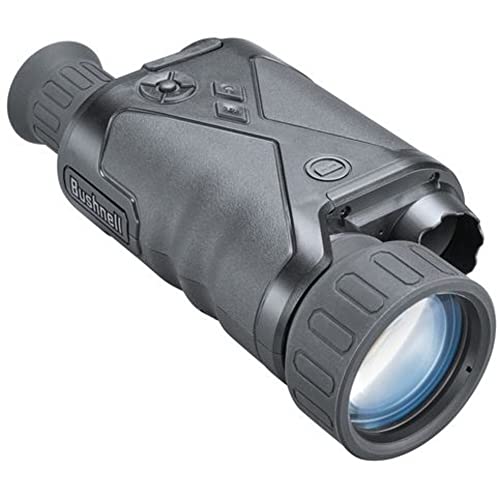
Handheld digital monocular
Bushnell Equinox Z2 6×50
The listing describes a built-in infrared illuminator, video recording and mobile streaming. Check current stock and device compatibility.
Nightfox Prowl 2

Head-mounted digital monocular
Nightfox Prowl 2
The listing describes a head-mounted digital viewer with infrared illumination and included head strap. Check the selected package and mounting accessories.
Common questions
Is the NSP-3 a thermal scope?
No. The 1968 manual describes an image-intensifying device, not a thermal imager.
Does the NSP-3 have digital recording or a color display?
The historical manual describes an eyepiece and a monochrome intensifier image. It does not describe digital recording or a modern LCD.
Can it see in complete darkness?
The manual describes use with natural night illumination, such as starlight. Image intensification needs available light; visibility also changes with contrast and conditions.
Are the observation monoculars above the same as the NSP-3?
No. They are current digital viewing devices with different intended uses and features. They are included for readers interested in observation, not as equivalent historical equipment.
For more information on modern handheld equipment, see our night-vision viewers guide.