
Best Upland Hunting Boots: Choose by Terrain, Fit and Weather
We may earn commission for items you purchase. As an Amazon Associate we earn from qualifying purchases.
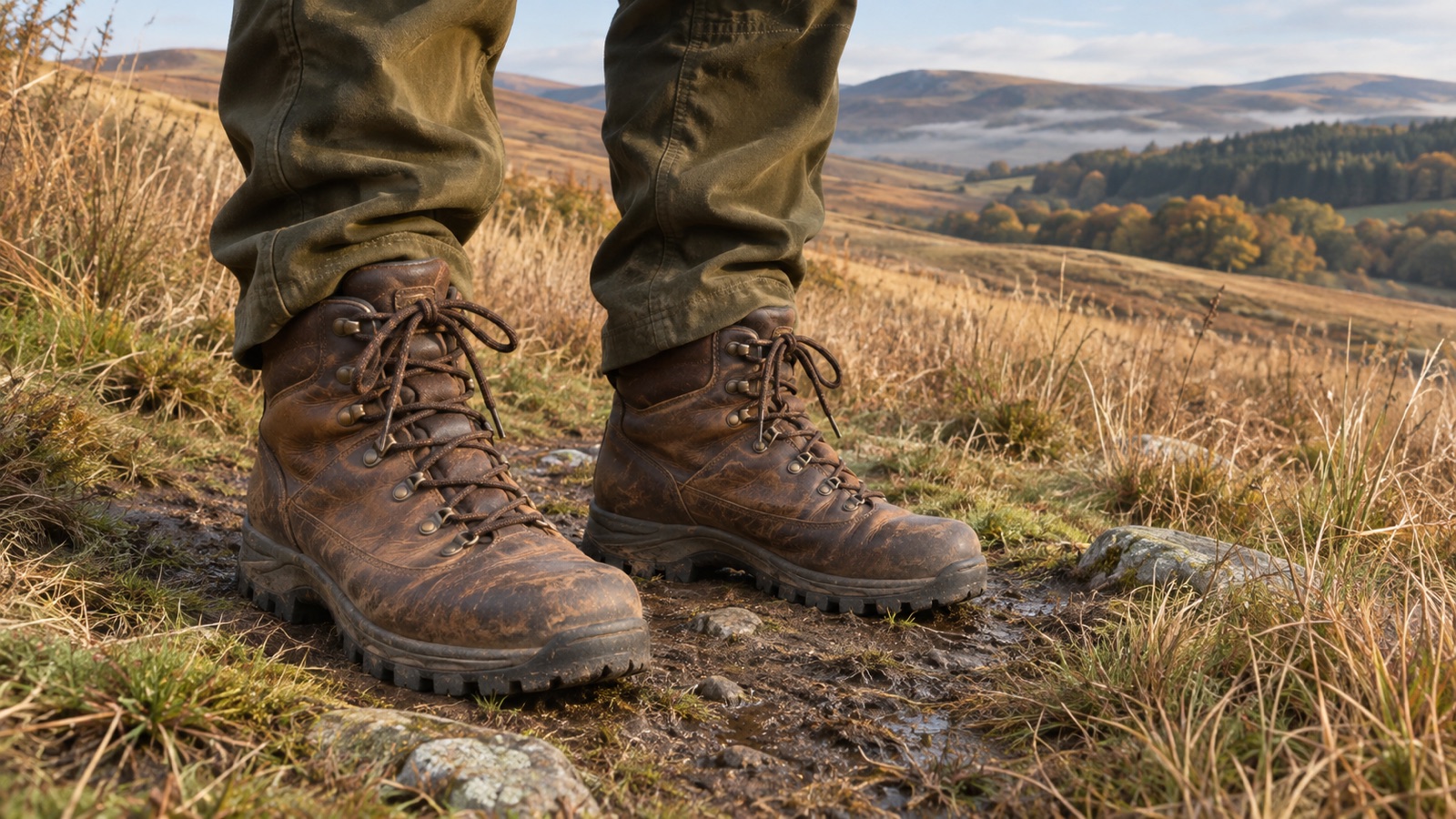
The best upland hunting boots depend on how far you walk and what is underfoot. A supportive leather boot makes sense on rocky slopes; a flexible walking boot can feel better across level grassland. Tall rubber boots suit wet cover, while heavily insulated winter boots belong on cold-weather trips rather than every bird hunt.
Among the original listings checked for this guide, the Kenetrek Mountain Extreme NI is the clearest option for demanding terrain. HANAGAL offers a shorter lace-up alternative to investigate for general field use. BOGS and Muck pull-ons serve wetter conditions, and the North Face Chilkat V 400 is a winter option. None is a universal winner, and fit should decide between otherwise suitable choices.
This is a product-data comparison, not a report of personal field testing. Amazon listing details and available offers were checked on November 4, 2026. Availability applies to the linked size and color, not every version of the product. As an Amazon Associate, Sportsman Crew earns from qualifying purchases.
Choose upland boots for the ground you cover
| Hunting conditions | Useful characteristics | Option to investigate | Main compromise |
|---|---|---|---|
| Steep, rocky slopes | Supportive construction, secure heel fit and protective rand | Kenetrek Mountain Extreme NI | More structure than many flat-field walks need |
| Mixed fields and moderate trails | Lace adjustment, manageable bulk and a suitable outsole | HANAGAL 6-inch listing | Check sizing carefully; seller reports a small fit |
| Dew, mud and wet grass | Rubber construction and sufficient shaft height | BOGS Classic High | Less adjustable around the foot than a lace-up |
| Cold, wet cover | Water protection and insulation | Muck Woody Max or Arctic Pro | May be too warm for sustained walking in mild weather |
| Snowy winter walks | Insulation, weather protection and secure fit | North Face Chilkat V 400 | A winter boot rather than an all-season choice |
Start with the route rather than a brand. Grouse cover with wet leaves, open prairie and a rocky chukar slope ask different things of a sole and upper. Consider the worst sustained conditions on the walk, including the return trip, without buying a heavy winter boot for one brief muddy patch.
Current listings worth considering
Kenetrek Mountain Extreme NI: structured support for rough ground

Product details
Kenetrek Mountain Extreme NI — Brown, 10.5
A new offer was available on November 4, 2026. Confirm the exact model, included components and current availability.
The linked brown size 10.5 is the non-insulated Mountain Extreme. Kenetrek specifies a 10-inch upper made from 2.8 mm full-grain leather, a 7 mm nylon midsole, Windtex waterproof membrane, K-Talon outsole and protective rubber rand. This corrects the earlier description of an 8-inch boot with a Vibram sole.
Its construction makes it a candidate for rocky climbs, side slopes and hunters who want a more supportive platform. That does not automatically make it the most comfortable choice for level fields. Try its stiffness and heel hold before committing to long mileage; a mountain-oriented boot can feel excessive on easier ground. See the manufacturer's specification for the current model.
HANAGAL: a shorter lace-up option with a sizing caveat

Product details
HANAGAL 6-inch — Camouflage, 11
A new offer was available on November 4, 2026. Confirm the exact model, included components and current availability.
This destination is a HANAGAL camouflage boot in size 11, not the RedHead pull-on described in the old text. Current listing features describe a 6-inch design, 1000D water-repellent upper, waterproof membrane, EVA cushioning and rubber outsole. A water-repellent outer fabric and a waterproof membrane are separate features; neither prevents water entering over the cuff.
The seller warns that this style runs small. Check the current size chart and return terms rather than automatically ordering your usual size or assuming a fixed size increase works for everyone. For a general field boot, assess forefoot space, heel movement and how the cuff feels when crouching. The listing alone does not establish long-term durability or comfort over repeated full-day hunts.
BOGS Classic High: a pull-on for wet cover

Product details
A new offer was available on November 4, 2026. Confirm the exact model, included components and current availability.
The checked destination is the black Classic High in size 7. Treat it as a rubber pull-on option for wet grass and muddy approaches, not the full-grain leather lace-up described previously. The returned product data was limited, so this comparison does not assign an exact insulation thickness or guaranteed temperature rating.
Pull-ons are convenient in damp cover, but their fit deserves a walking trial. Too much heel lift can become irritating over distance, and a close calf fit may not accommodate every trouser arrangement. Confirm the exact model's specifications before ordering. A tall shaft is useful only while water stays below its opening; it does not turn the boot into a wader.
Muck Woody Max: insulation for cold, wet walks

Product details
Muck Woody Max — Mossy Oak, 10
A new offer was available on November 4, 2026. Confirm the exact model, included components and current availability.
This Mossy Oak size 10 listing is the Woody Max, not the Pursuit Supreme. The returned features specify 5 mm neoprene, fleece lining, 2 mm thermal foam underfoot, an EVA midsole and an MS1 outsole. Those details place it among the cold-weather options in this comparison.
Consider it when wet ground and low temperatures are persistent parts of the hunt. For a brisk walk on a mild day, the same insulation can be an unwanted burden. Check how securely your heel sits and whether your usual socks leave room for your toes. Neither insulation thickness nor a marketing comfort range guarantees that a particular wearer will stay warm.
Muck Arctic Pro: a more insulated cold-weather alternative

Product details
Muck Arctic Pro — Mossy Oak, 9
A new offer was available on November 4, 2026. Confirm the exact model, included components and current availability.
The linked Mossy Oak size 9 Arctic Pro lists 8 mm neoprene, fleece, 2 mm foam underfoot, a 17-inch design, EVA cushioning and a Bob-Tracker outsole. Its construction is a reason to consider it for colder wet conditions, not evidence that every upland hunter needs it.
Compare this with the Woody Max according to actual temperature, walking pace and time spent stationary. More insulation is not automatically better for an active hunter. Try the boot with the socks and trousers you intend to wear, and check whether the shaft or heel movement becomes distracting. No tread pattern should be treated as a guarantee of grip on ice.
North Face Chilkat V 400: a winter lace-up

Product details
North Face Chilkat V 400 — Black/Asphalt Gray, 10
A new offer was available on November 4, 2026. Confirm the exact model, included components and current availability.
The black and asphalt gray size 10 destination is the Chilkat V 400. It is not the older Chilkat II. Current specifications identify 400 g Heatseeker insulation, a leather and suede upper with seam-sealed construction, a TPU shell, EVA midsole and Surface CTRL outsole. The boot also has a gaiter D-ring and snowshoe attachment feature.
This is a candidate for snowy winter outings when an insulated lace-up suits the route. It is not the first option for warm-season mileage through dry grass. Confirm compatibility with any gaiter or traction accessory you already own. The North Face product page supplies the model's construction details; it does not establish performance in your particular hunting conditions.
Original listings that were unavailable or could not be verified
The following destinations remain for reference. Eight returned no available offer for the checked variant, and the Under Armour listing could not be accessed through the product API. They are not confirmed current buying recommendations. Another size or a future restock may differ, so inspect the destination before making a decision.
Danner RAT 8-inch: not the Pronghorn
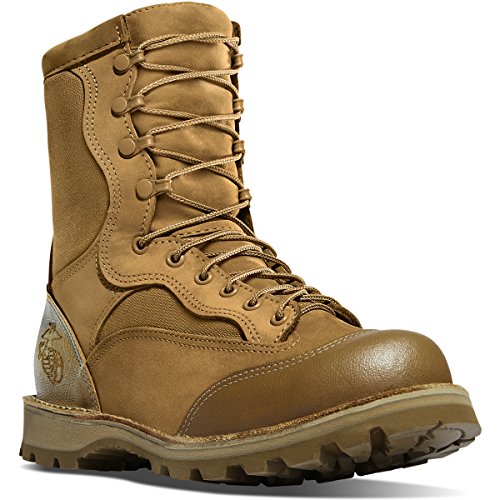
Product details
Danner RAT 8-inch — Mojave Brown, 10.5 Wide
Unavailable on November 4, 2026. Original destination retained for reference.
The linked Mojave brown 10.5 wide product is the Danner RAT 8-inch GORE-TEX boot. Returned details identify nubuck leather and a Vibram outsole. The earlier Pronghorn heading described a different model. If this variant returns, evaluate its fit and intended use on its own merits; do not assume features from another Danner hunting boot carry over.
Irish Setter Ravine 2880: verify the model number

Product details
Irish Setter Ravine 2880 — Gray/Black, 9 D
Unavailable on November 4, 2026. Original destination retained for reference.
The gray and black size 9 D listing is Ravine 2880, not 2875. Its returned features include UltraDry, ScentBan, ArmaTec, CuShin and EnerG technologies. These brand names are not proof of comfort for every foot or invisibility to an animal's sense of smell. With no available offer at the check, this remains a reference rather than an immediately purchasable pick.
LaCrosse brown 1600 g listing: identity needs confirmation
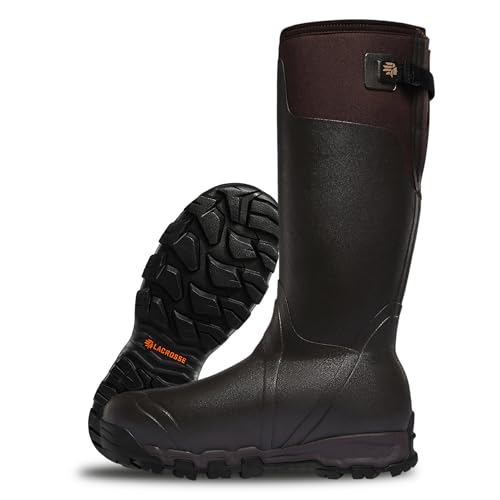
Product details
LaCrosse brown 1600 g listing — 7; model unconfirmed
Unavailable on November 4, 2026. Original destination retained for reference.
The size 7 listing title and feature data do not consistently establish the model. The previous article called it Alphaburly Pro, while returned features referenced Burly construction. Because the product identity remains unresolved, do not use the old model name or transfer its specifications to this destination. Confirm the model and insulation information directly if an offer reappears.
Irish Setter Elk Tracker: an insulated leather option
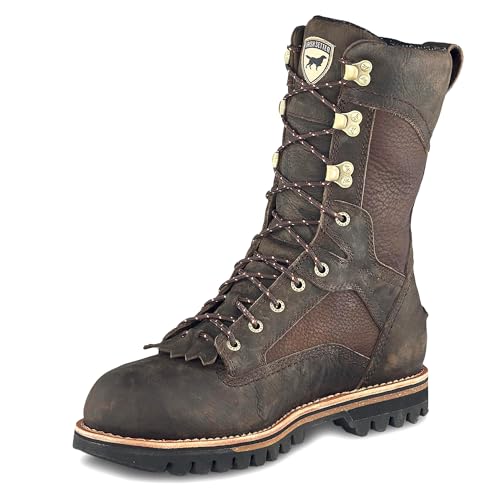
Product details
Irish Setter Elk Tracker 12-inch 200 g — Brown/Black, 8 Wide
Unavailable on November 4, 2026. Original destination retained for reference.
The linked brown and black size 8 wide Elk Tracker is a 12-inch, 200 g version. Returned details identify full-grain leather, GORE-TEX, a steel shank, Goodyear welt construction and a cork EVA footbed. It is a more structured insulated alternative to evaluate for colder conditions if restocked, not an automatic replacement for a flexible boot used on mild-weather field walks.
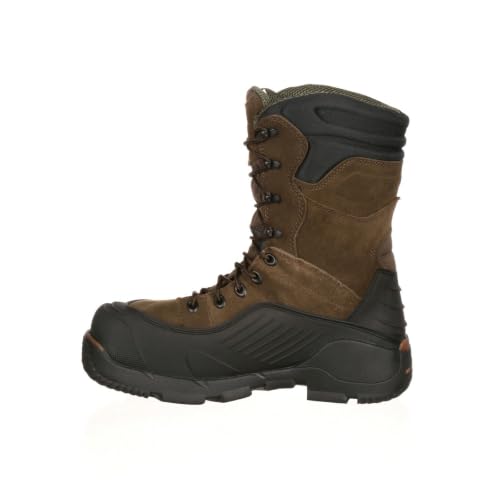
Rocky Blizzard Stalker: steel toe and 1200 g insulation
Product details
Rocky Blizzard Stalker steel toe 1200 g — Brown, 13
Unavailable on November 4, 2026. Original destination retained for reference.
The brown size 13 destination is a steel-toe Blizzard Stalker with 1200 g insulation. The old 800 g description was incorrect. Returned details include a rubber vamp, nylon shank and removable polyurethane footbed. This cold-weather work-oriented configuration is a specialized choice; the protective toe and heavy insulation are not necessary features for most high-mileage upland walks.
Columbia Bugaboot Plus III: a winter model

Product details
Columbia Bugaboot Plus III Omni-Heat — Mossy Oak/Black, 9
Unavailable on November 4, 2026. Original destination retained for reference.
The Mossy Oak and black size 9 listing is Bugaboot Plus III Omni-Heat. Returned information describes a leather, nylon and webbing upper with metal hardware, 200 g insulation and reflective lining. The previous reference to a titanium upper was misleading. Treat this as a winter option if the exact variant returns, without interpreting a temperature claim as a personal comfort guarantee.
LaCrosse Mesquite II: not the Outpost II

Product details
LaCrosse Mesquite II 10-inch 200 g — Brown, 13 M
Unavailable on November 4, 2026. Original destination retained for reference.
The destination identifies a brown size 13 M Mesquite II, 10-inch, 200 g boot. The earlier Outpost II heading named a different product. The returned details were sparse, so outsole, waterproofing and construction claims should be checked against an exact model specification before purchase. The checked variant was unavailable.
Wolverine W02419 Raider: do not assume waterproofing

Product details
Wolverine W02419 Raider — Brown, 14 M
Unavailable on November 4, 2026. Original destination retained for reference.
This brown size 14 M destination is W02419 Raider, not W02421 Durant. Returned features include a polyurethane midsole, mesh lining, Multishox welt, removable footbed and nylon shank. They did not establish a waterproof membrane. If you need a boot for repeated wet-grass exposure, confirm that requirement explicitly rather than inferring it from leather construction or the old description.
Under Armour Micro G Valsetz: current details unverified
Product details
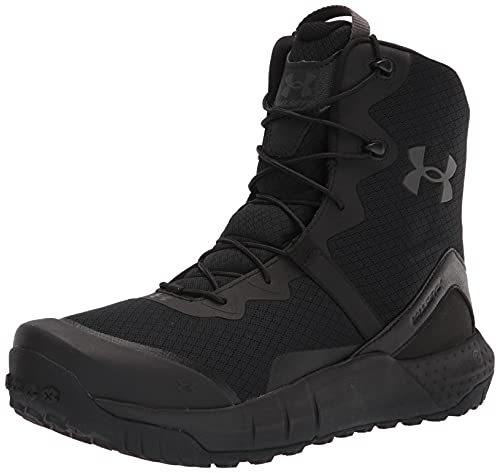
Historical Under Armour Micro G Valsetz listing — Black, 10
Listing inaccessible through the API on November 4, 2026. Historical image and link retained; not a current recommendation.
The historical destination was labeled Micro G Valsetz in black, size 10, while the old heading referred to Infil Ops GORE-TEX. The API could not access the item at this check. Its historical image and destination remain, but current identity, specifications and availability are unverified. In particular, do not assume it has the waterproof construction of the differently named boot.
Fit, socks and comfort over a full hunting day
Try boots with the socks you will actually wear. A thick sock takes up space; adding one to a tight boot does not necessarily improve warmth or comfort. Your toes need room, while the heel and midfoot should feel secure without painful pressure. Walk on an incline if the fitting area permits it, checking for toe contact downhill and excessive heel movement uphill.
Kenetrek's boot-fitting guidance emphasizes matching the last and construction to your feet and intended terrain. A size number alone cannot tell you whether a model suits your foot shape. If the boot pinches or your toes hit the front during a short trial, do not depend on break-in to correct a fundamentally poor fit.
Start with shorter walks before a long hunt. Notice hot spots, rubbing and whether laces loosen as you move. Adjust tension without overtightening the forefoot, and reassess the fit if discomfort persists. Comfortable right out of the box is encouraging, but it is not proof that a boot will suit an entire day on uneven ground.
Waterproofing, insulation and boot height
For persistent dew and wet brush, look for an explicitly identified waterproof construction. A leather upper or water-repellent fabric alone does not establish that. A membrane also cannot stop water that enters over the cuff. Gaiters can help with debris and exposure around the ankle, but they do not make a boot suitable for wading.
Choose insulation for the combination of weather and activity. Long uphill walks create different demands from standing still in the same temperature. Uninsulated boots can be a sensible starting point for active mild-weather hunting; insulated models become more relevant as conditions get colder. Compare the whole boot rather than treating insulation weight as a universal warmth ranking.
Height is another tradeoff. A taller shaft provides more coverage, but adds material and may restrict movement differently. Lace-up construction lets you adjust several areas of the fit; rubber pull-ons offer a different balance of coverage and convenience. For a broader comparison beyond bird-hunting terrain, see our hunting boots guide.
Care between hunts
Remove mud and debris after use, inspect the tread and seams, and let the boots dry according to their manufacturer's instructions. Use cleaning or conditioning products approved for the exact material and membrane. A treatment intended for one leather finish may not suit another upper.
Check laces, eyelets, sole separation and worn areas before the next trip. Drying and maintenance cannot restore a damaged waterproof barrier or worn-out sole. If a boot repeatedly leaks or loses secure footing, investigate the cause rather than adding more treatment and assuming the problem is solved.
Upland hunting boots FAQs
Can hiking boots or trail shoes work for upland hunting?
Yes, if they fit and suit the route. An upland label is not essential. A hiking boot may provide the coverage and structure you want, while a trail shoe can be comfortable on appropriate dry, easier ground. Consider brush, stones, mud, temperature and how much protection you need before choosing a lower shoe solely for light weight.
Are rubber boots better than leather boots?
They solve different problems. Rubber pull-ons can be practical in wet cover; lace-up leather or mixed-material boots offer more fit adjustment for sustained walking. Compare the actual construction and your route rather than assuming one material is always superior. A waterproof boot that fits poorly is still a poor choice for distance.
What makes a good boot for rocky upland terrain?
Look for secure heel hold, enough room on descents, an outsole suited to the surface and a level of underfoot stiffness you can walk in comfortably. Protective construction can be helpful around rocks, but stiffness alone does not guarantee stability. Try the boot on an incline and account for the load you carry.
Should I buy an unavailable boot in another size?
Only if that size actually fits. Availability is not a reason to accept toe pressure or excessive heel movement. Confirm that another listing is the same model and insulation version, then use its sizing information and return policy. The preserved reference links above are not assurances that the right variant is currently in stock.