
Best Bow Releases for Hunting: Wrist Straps, Thumb Buttons and Fit
We may earn commission for items you purchase. As an Amazon Associate we earn from qualifying purchases.

A bow release aid connects the drawing hand to a compound bow’s string or D-loop and opens to release the arrow. For many hunters, a wrist-strap release with an index-finger trigger is a practical place to start. A handheld thumb button is another option, but the right choice is the one that fits your hand, works with your setup and supports a repeatable anchor after proper instruction and practice.
This guide compares release types and current product listings using stated features, not claims of hands-on testing. Check the exact configuration and availability before ordering. As an Amazon Associate, we earn from qualifying purchases.
Bow release types for hunting
Wrist-strap index release
A strap secures the release to the wrist and an index-finger trigger opens its jaws or hook. The wrist carries much of the draw load, and the attached strap can keep the release accessible. Check strap fit and trigger reach with your normal hunting gloves; buckle and hook-and-loop closures feel different.
Handheld thumb-button release
A thumb button is held in the drawing hand and activated by a thumb trigger. The handle’s finger grooves, trigger position and how you retain the release between shots affect comfort. Changing to a handheld design can also change your anchor point and sight setup, so allow time to practice and retune as needed.
Hinge and resistance-activated releases
A hinge releases through controlled rotation; a resistance-activated release opens when the set pulling force is reached, according to its design and safety mechanism. They are distinct mechanisms, even though people sometimes call a hinge a “back-tension release.” Both require instruction and practice. A hinge can release accidentally while drawing if handled incorrectly; learn the exact model with an instructor and a shot trainer before moving to a bow. Consult Archery 360’s guide to release aids for an overview of the four styles.
Bow releases to compare
The examples below cover wrist-strap and thumb-button designs. A trigger style or feature does not guarantee accuracy. Confirm the exact package, fit, D-loop compatibility and return terms for each model.
Tru-Fire Patriot Flex wrist release

Wrist strap
Tru-Fire Patriot Flex Compound Bow Release
The listing describes an adjustable black wrist strap, nylon webbing length adjustment and a dual-caliper head. Check trigger reach and strap fit before shooting.
Scott Archery Aspen wrist release
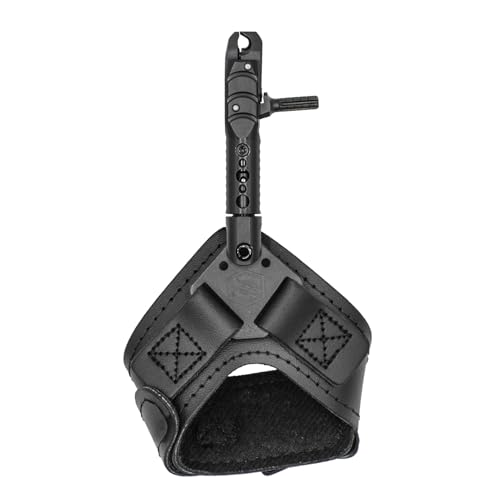
Index trigger
Scott Archery Aspen Release with Buckle Strap
The listing describes a padded buckle strap, index-finger trigger, rotating head and length and travel adjustments. Follow the maker’s setup instructions.
Trophy Ridge Precise Pro thumb button
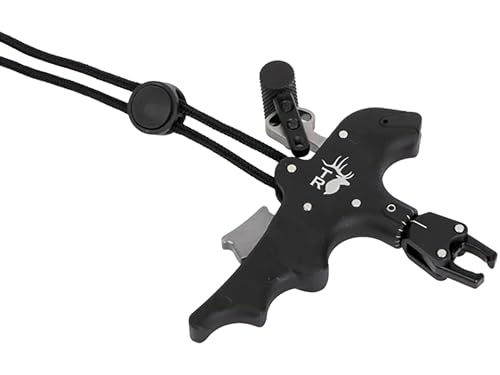
Thumb button
Trophy Ridge Precise Pro 4-Finger Thumb Release
A listed four-finger handheld release with adjustable trigger settings and an included wrist sling. Check hand fit, configuration and operating instructions.
TruFire Synapse thumb release

Thumb button
TruFire Synapse Dual Sear Thumb Release
The listing describes adjustable trigger travel and pressure and a multi-position thumb post. Confirm the exact model and included components; stock was limited when checked.
How to choose a bow release
Fit, trigger reach and anchor
With a wrist release, adjust the strap and connector so the trigger is within comfortable reach without stretching your finger or crowding your hand. For a handheld, check that the handle fits the fingers securely and that the button is reachable without an awkward grip. A release change can alter effective draw and anchor position; ask a qualified archery technician to check your bow fit instead of assuming a release adjusts the bow’s draw weight.
Connection and retention
Many compound archers connect a release to a cord D-loop. Check the manufacturer’s instructions for the approved connection and inspect the loop for wear. A wrist strap stays attached to the wrist, while a handheld may need a compatible lanyard or secure pocket. Do not leave any release attached unattended to a drawn bow.
Adjustment and gloves
Some models allow trigger travel, trigger pressure, head position or strap length adjustments; others do not. Use only the adjustments described by the maker and make small changes with a safe practice check afterward. Extremely sensitive settings can make accidental activation more likely. Try your normal gloves and cold-weather layers before hunting.
Jaw style and maintenance
Hooks and caliper-style jaws differ in how they attach and open. Look for a connection you can operate reliably and inspect. Check screws, strap, trigger, jaws and D-loop for wear or damage before use. Follow the release maker’s cleaning and lubrication instructions; do not assume every internal mechanism should be oiled.
Practice and maintain your release safely
- Read the instructions for the specific release, including how its trigger or safety works. An archery shop can help check the fit, D-loop and anchor.
- Learn the grip and trigger with a shot trainer or practice cord, following the manufacturer’s instructions. Seek coaching when learning a hinge or resistance release.
- At a suitable range, keep the bow pointed in a safe direction, inspect the release and loop, and follow the bow maker’s shooting and let-down procedures. Do not dry-fire a bow.
- Keep the trigger clear while drawing unless the manufacturer’s instructions for that specific release state otherwise. Practice a controlled let-down as instructed. If the release or loop is damaged or behaves unexpectedly, stop and have it inspected.
- Always identify the target and a safe background. Use a release you can operate consistently in the conditions and clothing you will actually encounter.
Frequently asked questions
Is a wrist release or thumb release better for bowhunting?
Neither is universally better. A wrist strap keeps the aid attached to your wrist; a handheld thumb button offers a different grip and anchor. Choose the one that fits, works with your setup and is comfortable after instruction and practice.
Can a release aid change my draw length?
Different release designs and lengths change the relationship between your hand and the string and may change your anchor. They do not themselves adjust the bow’s draw-weight setting. Have a technician check overall fit when switching.
Is a hinge the same as a thumb button?
No. A thumb button has a thumb-operated trigger; a hinge is activated by rotation. Both require practice, and a hinge requires particular care when drawing and letting down.
Should I lubricate my bow release?
Follow the maker’s instructions for that specific model. Lubricants or disassembly not recommended by the manufacturer can affect operation. Stop using a release that is damaged or unreliable.