
Best Hunting Video Camera: Compare Camcorders, Action and Trail Cameras
We may earn commission for items you purchase. As an Amazon Associate we earn from qualifying purchases.
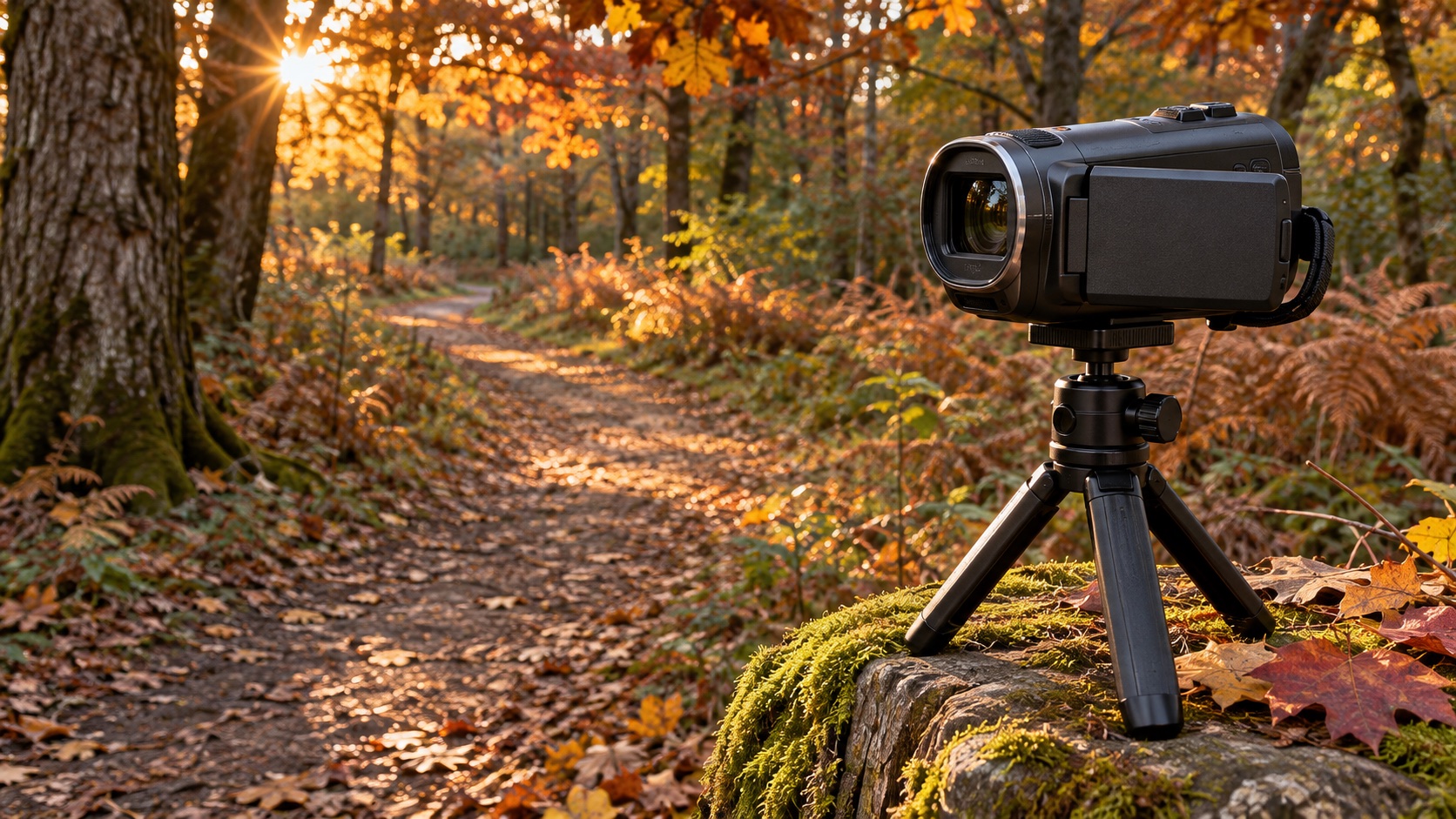
A handheld camcorder, a wearable action camera and a motion-triggered trail camera record in different ways. Start with whether you want to operate the camera yourself or leave it to record wildlife unattended, then compare mounting, power, storage and weather protection.
These are comparisons of current listings, not hands-on tests or a ranking. Verify the specific model and configuration before buying.
Hunting and wildlife video cameras to compare
Sportsman Crew may earn a commission from these affiliate links at no extra cost to you. Listing features and availability can change; check accessories and specifications for the selected version.
ORDRO 4K Night Vision Camcorder
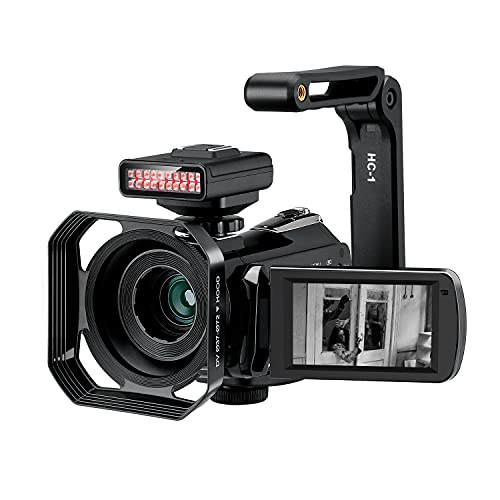
Handheld camcorder
ORDRO 4K Night Vision Camcorder
The existing link now leads to an ORDRO camcorder marketed for infrared recording and vlogging. Confirm the exact configuration, low-light capability and weather protection; outdoor performance has not been tested.
Panasonic HC-V900

Handheld camcorder
Panasonic HC-V900
The checked listing describes a lightweight Full HD camcorder. Verify optical zoom, stabilization, battery life and weather protection in the manufacturer’s specifications.
GoPro HERO12 Black

Action camera
GoPro HERO12 Black
The checked listing describes an action camera with 5.3K video and stabilization. Confirm recording settings, compatible memory card and waterproof conditions with the manufacturer.
LIDCAM+ LC-WF
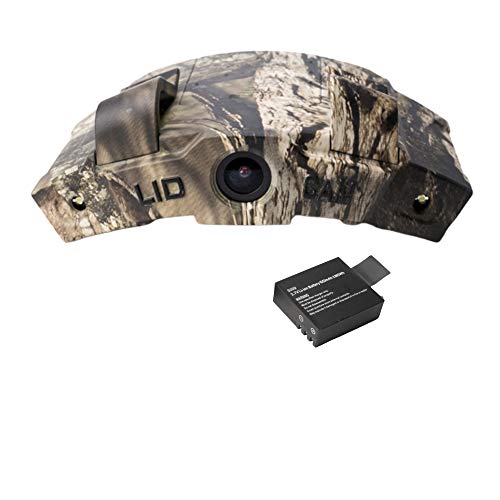
Wearable action camera
LIDCAM+ LC-WF
The checked listing describes a hands-free 1080p camera with Wi-Fi and audio. Confirm the mounting method, battery and weather protection for your use.
GardePro E6

Unattended trail camera
GardePro E6
The existing E6 listing describes a motion-activated, non-cellular camera with nearby app viewing and video with sound. Wi-Fi is not a cellular connection; verify range, storage and power requirements.
GardePro A3S
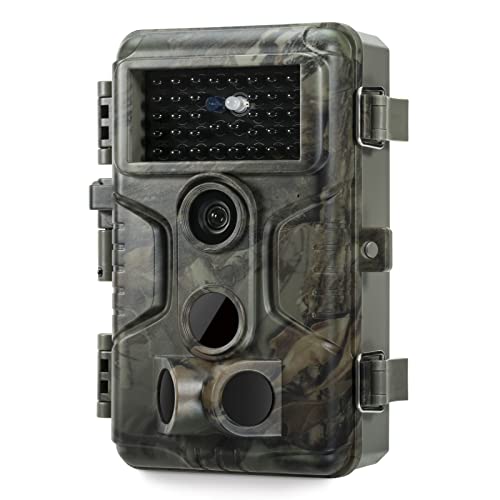
Unattended trail camera
GardePro A3S
The checked listing describes a non-cellular, motion-activated camera with video and sound. Check card compatibility and the exact power requirements.
How to choose a hunting video camera
Recording style, resolution and zoom
Camcorders are designed for active framing and may offer optical zoom; action cameras are compact and often use a wider view. A trail camera records unattended when its sensor triggers. Resolution is only one part of image quality: consider lens, light, frame rate, sound and how the footage will be viewed. Digital zoom is different from optical zoom.
Stability and mounting
Check compatible mounts and whether stabilization is available at the desired resolution and frame rate. A tripod or other secure support can help with framing, but features and limitations vary. Confirm that mounts and other accessories are included before ordering.
Low light and infrared
Low-light capability differs among cameras. Infrared night recording, if supported, generally produces a different-looking image than daylight color footage; check the maker’s examples and specifications. A stated resolution does not establish night image quality.
Weather and protection
Water resistance is model-specific. Check the manufacturer’s rating, door and housing requirements, and operating temperature. Do not assume a handheld camcorder is weatherproof because a separate action camera or trail camera is.
Power and storage
Recording time depends on settings, battery condition and temperature. Check compatible batteries, chargers and card speed and capacity requirements. GoPro’s camera manual, for example, notes that demanding video settings can reduce recording time; follow the guidance for your own model.
Connectivity and audio
Check microphone and audio support, app requirements and whether wireless access works only nearby. Non-cellular Wi-Fi does not automatically send footage from a remote location. For more on unattended cameras, see our trail camera guide.
Field use and wildlife
Test recording, audio, storage and batteries before leaving. Follow landowner rules and local regulations for cameras and recording. Keep a safe distance from wildlife; the National Park Service recommends using zoom or a telephoto lens to observe without approaching animals.
Common questions
Can a trail camera replace a camcorder?
Not for every purpose. A trail camera typically records unattended when triggered, while a camcorder lets an operator compose and follow a scene.
Does Wi-Fi mean a trail camera is cellular?
No. Some Wi-Fi trail cameras connect to a nearby phone and do not transmit over a cellular network. Check the exact model’s connectivity and any service requirements.
Is 4K always better?
Higher resolution may provide more detail, but lens quality, light, stabilization, battery life and storage also affect the result. Confirm the actual recording mode and frame rate.
Choose the recording style first
Decide whether you need handheld footage, a wearable camera or unattended recording, then compare verified features and accessories.