
Best Bow Hunting Camo: Choose Patterns, Layers and Fit
We may earn commission for items you purchase. As an Amazon Associate we earn from qualifying purchases.
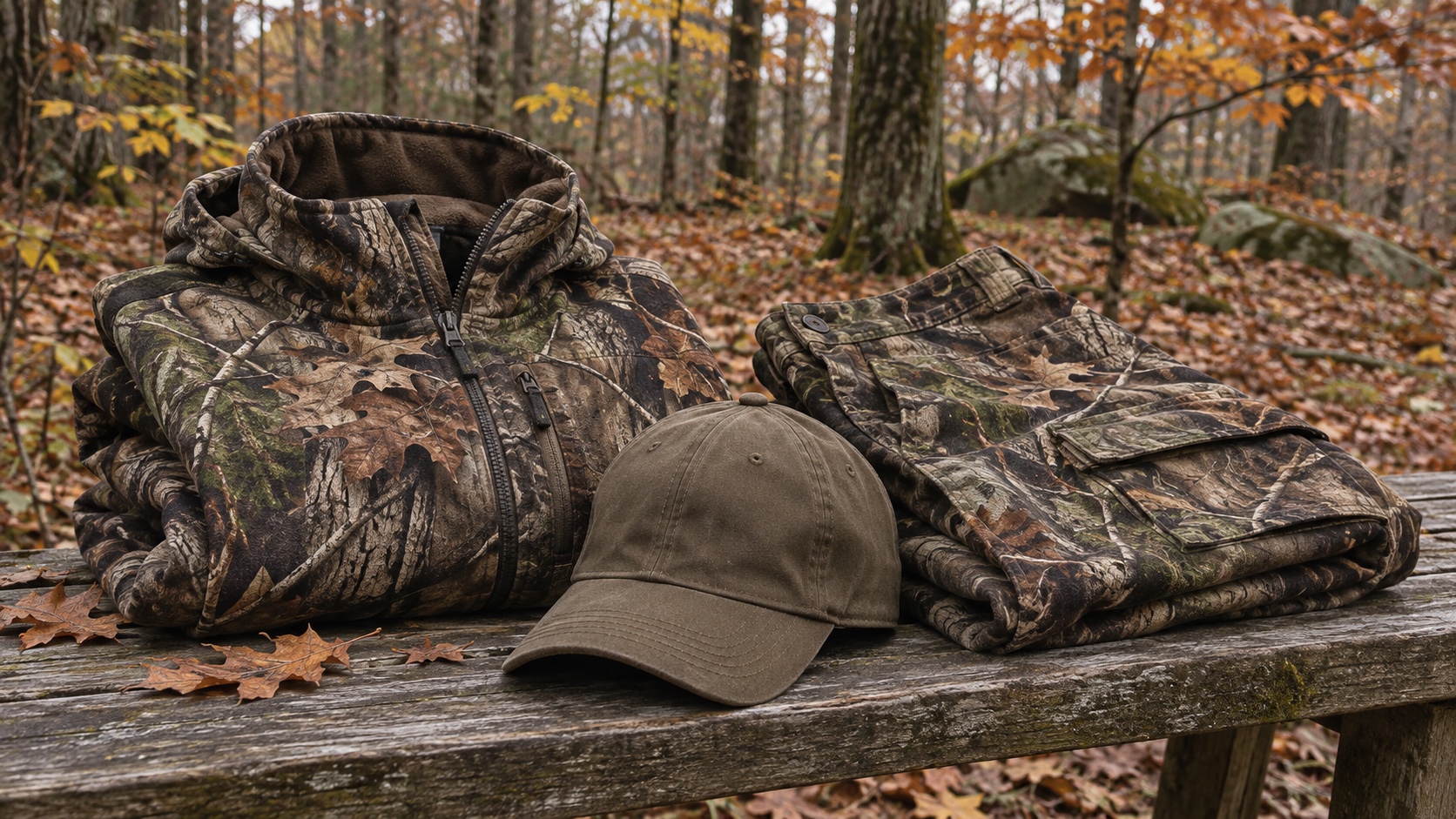
The best bow hunting camo is clothing that fits the conditions, allows comfortable movement and has colors suited to the cover around you. A pattern can help break up your outline, but it cannot make you invisible or eliminate your scent. Movement, wind, background and hunter visibility all matter.
Use this guide to compare woodland patterns, choose layers for the season and check fit before you head afield. The pattern examples below describe manufacturers’ designs; they are not ranked by a field test.
Choose bow hunting camo for your setting
Start with the place and season you hunt most. Look at the dominant background from the position where you expect to sit or stand: green foliage, leaf litter, bark, pale grass or snow. A mix of muted tones closer to that background can be a sensible starting point. The same clothing may look different against open sky, in deep shade or after leaves fall.
A few practical considerations help narrow the choice:
- Early season: Consider lighter, breathable layers where warm weather and insects are concerns.
- Cooler woods: Choose a pattern and garment weight appropriate to the darker bark and fallen foliage around you, with room for an insulating layer.
- Open or dry terrain: Muted tan, gray and brown clothing may be more suitable than a predominantly dark woodland pattern.
- Rain and wind: Check the actual garment’s construction and weather rating. A camouflage print alone does not make fabric waterproof or windproof.
There is no universal winning pattern, and matching a background does not replace safe identification or required high-visibility clothing.
Compare camouflage pattern styles
Some designs depict recognizable leaves, twigs and bark; others use broader shapes and muted color blocks. Both approaches appear in hunting clothing, but performance depends on the background, distance, lighting and observer. Look at the actual garment in the field, not just a close-up swatch on a screen.
Realtree EDGE is one example of a pattern using natural elements and overlapping shapes. Mossy Oak Bottomland is a darker, bark-and-earth-inspired pattern. These are examples of different visual approaches, not independent evidence that either is best for a particular animal or location. Similar colors in a plain garment can also be useful where regulations allow.
Movement, wind and hunter visibility
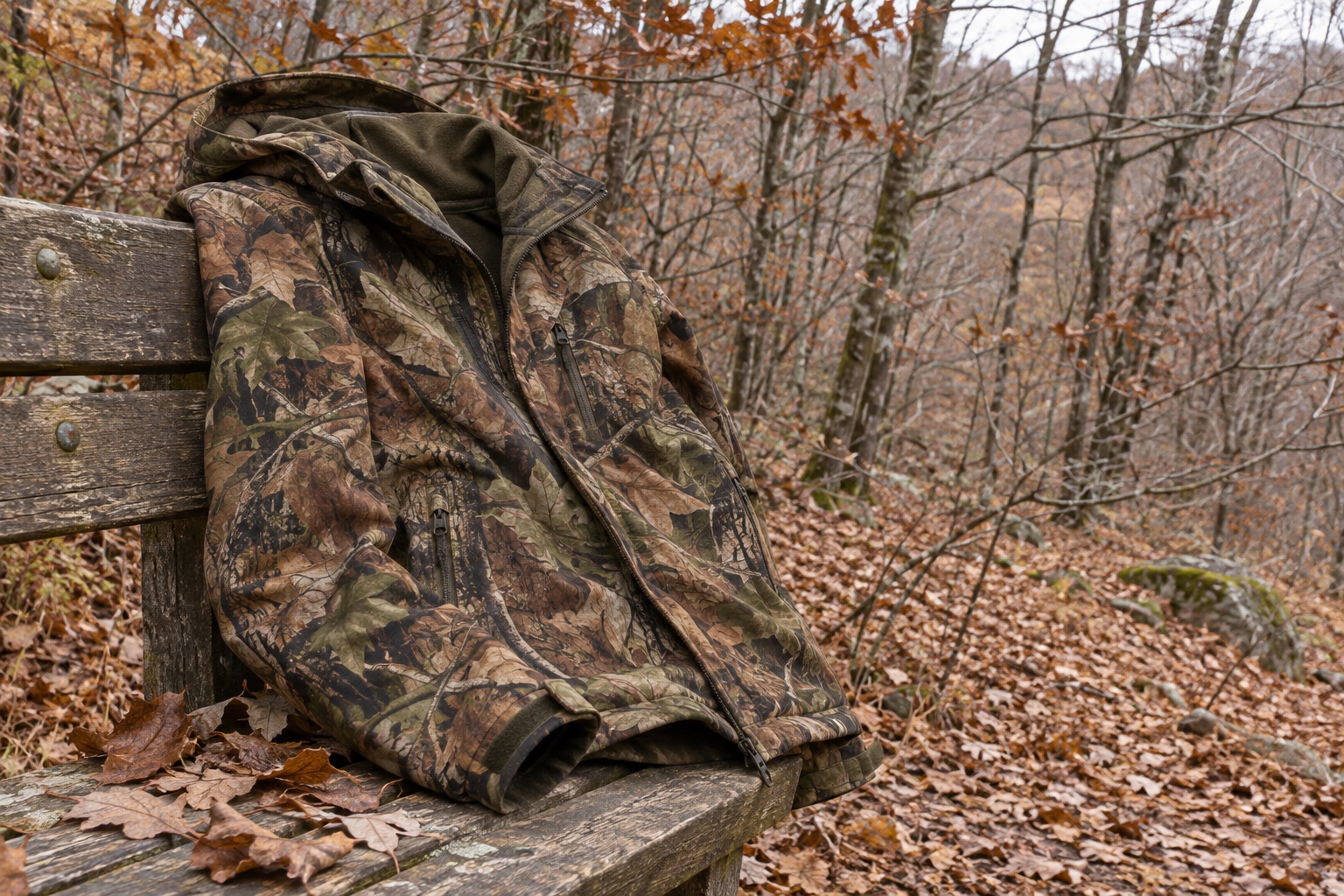
Camouflage changes appearance; it does not stop an animal from hearing or smelling you. The Missouri Department of Conservation notes that deer readily notice movement and that wind direction matters. Wind can shift or swirl, so no arrangement guarantees that scent stays away from wildlife.
Wash and maintain clothing according to its label. Scent-control products may reduce some odors, but they do not make a person scent-free. Avoid claims that a pattern, spray or fabric guarantees concealment or protects a person from dangerous animals.
Check hunter-orange or other high-visibility requirements for your state, season and hunting area, including overlapping seasons. Wear the required amount and configuration even when your other clothing is camouflage. Requirements vary; your state wildlife agency’s current regulations are the authority.
Choose fabric and fit for the weather
Layer for movement and changing temperatures
Use a comfortable base layer, add insulation for a cold stationary sit, and carry an outer layer suited to the forecast. A breathable fabric can help manage moisture during a walk; no fabric guarantees you will stay dry. In cold or wet weather, protect against exposure and bring appropriate backup layers.
Check sleeve clearance and fabric noise
Try the jacket with the base layers and pack you expect to wear. Raise your arms and move through your normal range of motion in a safe practice setting. Check that sleeves, straps and loose fabric do not interfere with your equipment; follow the equipment maker’s instructions. Rub the fabric and operate zippers to judge the noise for yourself, since noise depends on material and conditions.
Look beyond marketing claims
A digital print is still a printed pattern; it does not automatically adapt as you move. Be skeptical of claims that clothing makes a wearer undetectable, blocks all scent or makes a person invisible to thermal devices. Ask what independent evidence supports a specific claim and what conditions were tested.
Frequently asked questions
Is camouflage necessary for bow hunting?
Not always. Muted solid colors can work in some settings where permitted. Comfort, movement, background and visibility to other hunters matter as well; follow local clothing rules.
What color camo is best for late-season woods?
Look at the actual background after leaves have fallen. Browns and grays may fit some woods, while evergreens, snow or open grassland can call for a different choice. There is no single color that works everywhere.
Can deer smell through camouflage?
Yes. A camouflage pattern does not block human scent. Consider wind direction and changing air currents, and do not rely on a garment or scent product to eliminate odor.
Can I wear camo during a firearms season?
That depends on the location and rules. Some jurisdictions require hunter orange or another high-visibility garment during particular seasons, including when archery and firearms seasons overlap. Check the current rules before going out.
Choose a useful system, not just a print
Pick clothing for your typical background, weather and fit, then check visibility requirements for the specific hunt. Our hunting base-layer guide covers fabric and cold-weather layering in more detail.