
Bow Hunting vs. Gun Hunting: Differences, Seasons and Safety
We may earn commission for items you purchase. As an Amazon Associate we earn from qualifying purchases.
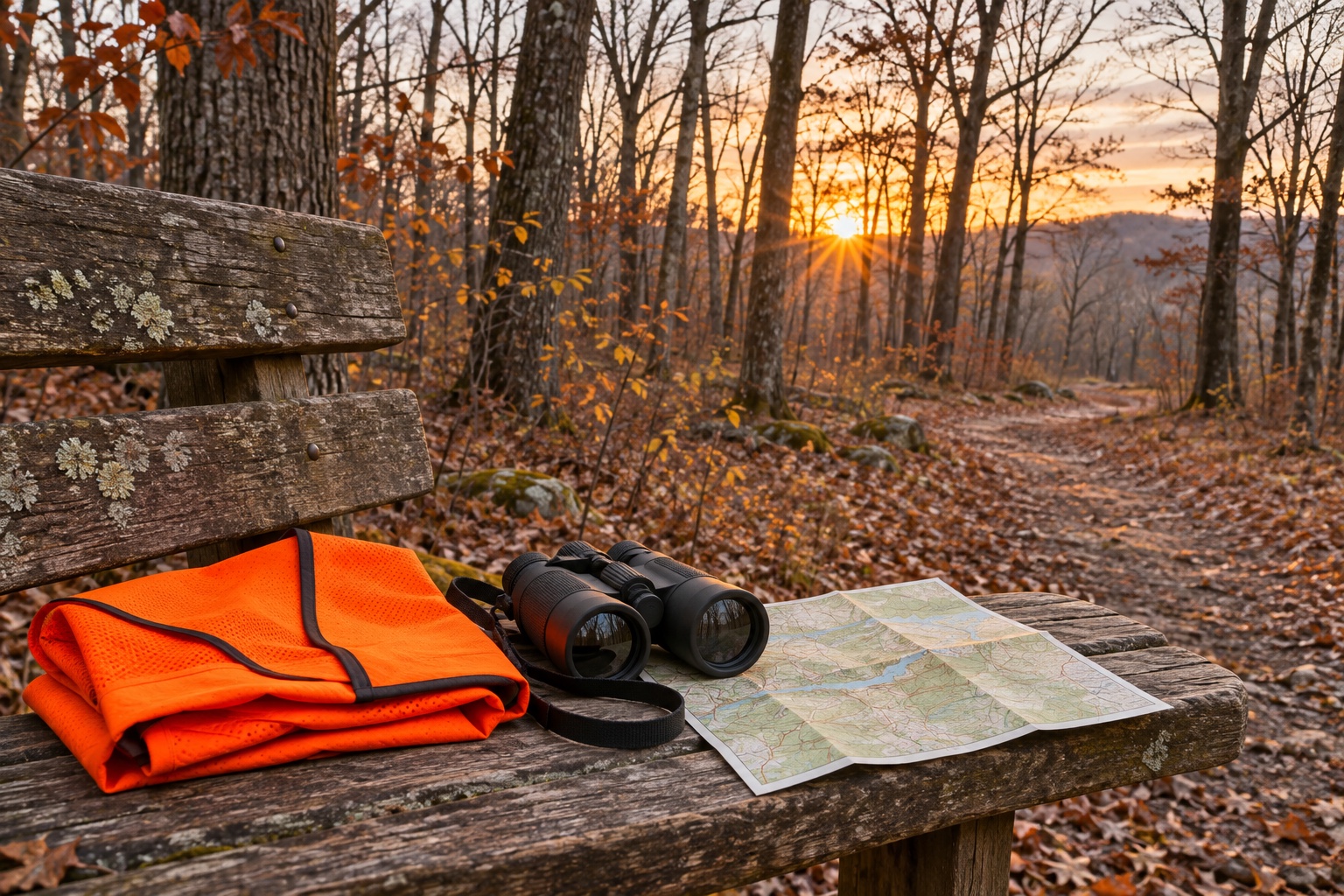
Neither bow hunting nor firearm hunting is universally better. The choice depends on the seasons and species open where you hunt, your interests, access to instruction, physical comfort and the time you can devote to safe practice. Both require appropriate equipment, knowledge of local rules and care for other people and wildlife.
Here is a practical comparison for new hunters, followed by the questions to ask your state wildlife agency before choosing a season or course.
Bow hunting and firearm hunting: key differences
Archery equipment uses stored mechanical energy to propel an arrow; firearms use energy from a propellant. Hunting rules often distinguish archery and firearm seasons, and some areas regulate crossbows separately. Equipment restrictions, permits and dates depend on the jurisdiction, species and property.
In general, archery hunting involves shorter distances than many forms of firearm hunting, but there is no universal ethical distance for every hunter or situation. Terrain, conditions, equipment, practice and local law all matter. Neither method removes the need for a clear identification of the target and surroundings.
Do bow or gun hunters have higher success rates?
There is no useful universal percentage. A reported harvest rate can change with the species, location, season length, number of permits, weather and how the agency counts hunters. Comparing two methods without accounting for those differences can be misleading.
For a meaningful local comparison, look for your wildlife agency’s recent harvest reports and read how each rate was measured. A higher harvest rate in one season does not predict an individual hunter’s outcome or prove that the equipment alone caused the difference.
Safety and hunter education
Take the hunter-education course required in your area and consider a mentored introduction to either method. Some places also require or offer bowhunter education. For example, Texas Parks and Wildlife explains that its hunter-education rules can apply to bowhunters and that bowhunter education does not replace hunter education.
Follow the equipment manufacturer’s instructions, know the identity of your target and what lies beyond it, and store equipment securely when not in use. Wear the hunter-orange or other high-visibility clothing required for the season and location, including overlapping seasons. Follow treestand and fall-arrest equipment instructions if hunting from an elevated position.
Firearm noise can cause permanent hearing injury. NIOSH recommends double hearing protection for impulse noise; our hunting ear protection guide explains fit and ratings. Archery equipment can also cause serious injury and demands its own instruction and safe handling.
Bow hunting vs. gun hunting: practical tradeoffs
Bow hunting
Some hunters value the distinct archery season, the practice involved and the closer observation often associated with it. Depending on the equipment and individual, maintaining proficiency can require regular practice and physical effort. Opportunities and equipment restrictions vary by location.
Firearm hunting
Firearm seasons and permitted equipment can provide different opportunities. Firearms also introduce loud impulse noise, so hearing protection is important; secure storage and safe handling remain essential. A longer possible range does not remove the responsibility to recognize personal limits and local restrictions.
Costs vary widely for either method. Budget for education, equipment that fits, safe storage, permits, maintenance and range or practice access rather than assuming one is always cheaper.
Check seasons and equipment rules before choosing
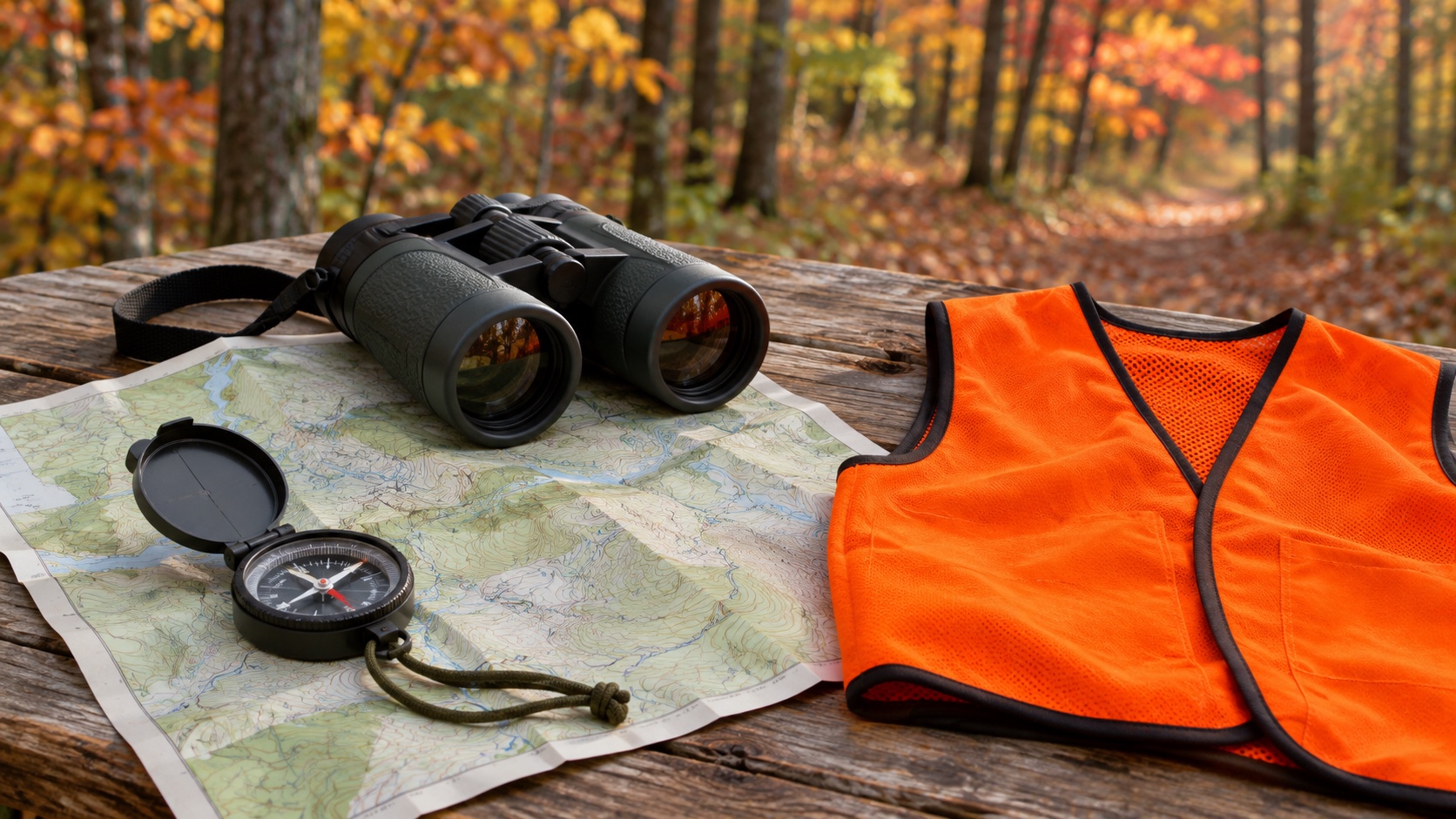
Start with your state or provincial wildlife agency’s current rules for the exact species and hunting area. Confirm the season dates, required permits, hunter-education requirements, allowed methods and any property-specific conditions. Crossbow rules and hunter-orange requirements can differ from those for other archery equipment.
For example, Missouri’s archery deer page lists permitted methods and special restrictions for that season. It is an example, not a substitute for the regulations in another state or a future season. Ask an instructor or local agency if a rule or equipment classification is unclear.
Other gear may support navigation and preparation regardless of method. If you use a camera, review the local rules governing it; our SPYPOINT trail camera guide compares camera features and setup needs.
Frequently asked questions
Is a bow a firearm?
An ordinary bow uses stored mechanical energy rather than an explosive. Under the firearm definition in 18 U.S.C. § 921, a conventional bow is generally not a firearm; that definition applies to a particular federal law, and state or local rules can classify or restrict equipment differently. Check the relevant law and hunting regulations for your situation.
Is bow hunting harder for a beginner?
Difficulty is personal. Archery and firearm hunting require different skills, instruction and practice, and access to seasons and training varies. A supervised introductory course can help you understand what each involves.
Can I hunt both archery and firearm seasons?
Possibly, if you meet the applicable license, education, method and season requirements. Permit limits and rules for overlapping seasons differ. Consult the wildlife agency and the rules for the property where you plan to hunt.
Are crossbows regulated the same as other bows?
Not everywhere. Some jurisdictions permit crossbows in archery seasons, while others apply separate conditions. Check the current species, season and local-area rules.
Choose the experience that fits your circumstances
Compare local opportunities, instruction, time, cost and physical comfort rather than relying on a universal winner. Whichever method you choose, learn the current rules and build safe habits with qualified instruction.