What Is the Best Hunting Bow on the Market?
We may earn commission for items you purchase. As an Amazon Associate we earn from qualifying purchases.
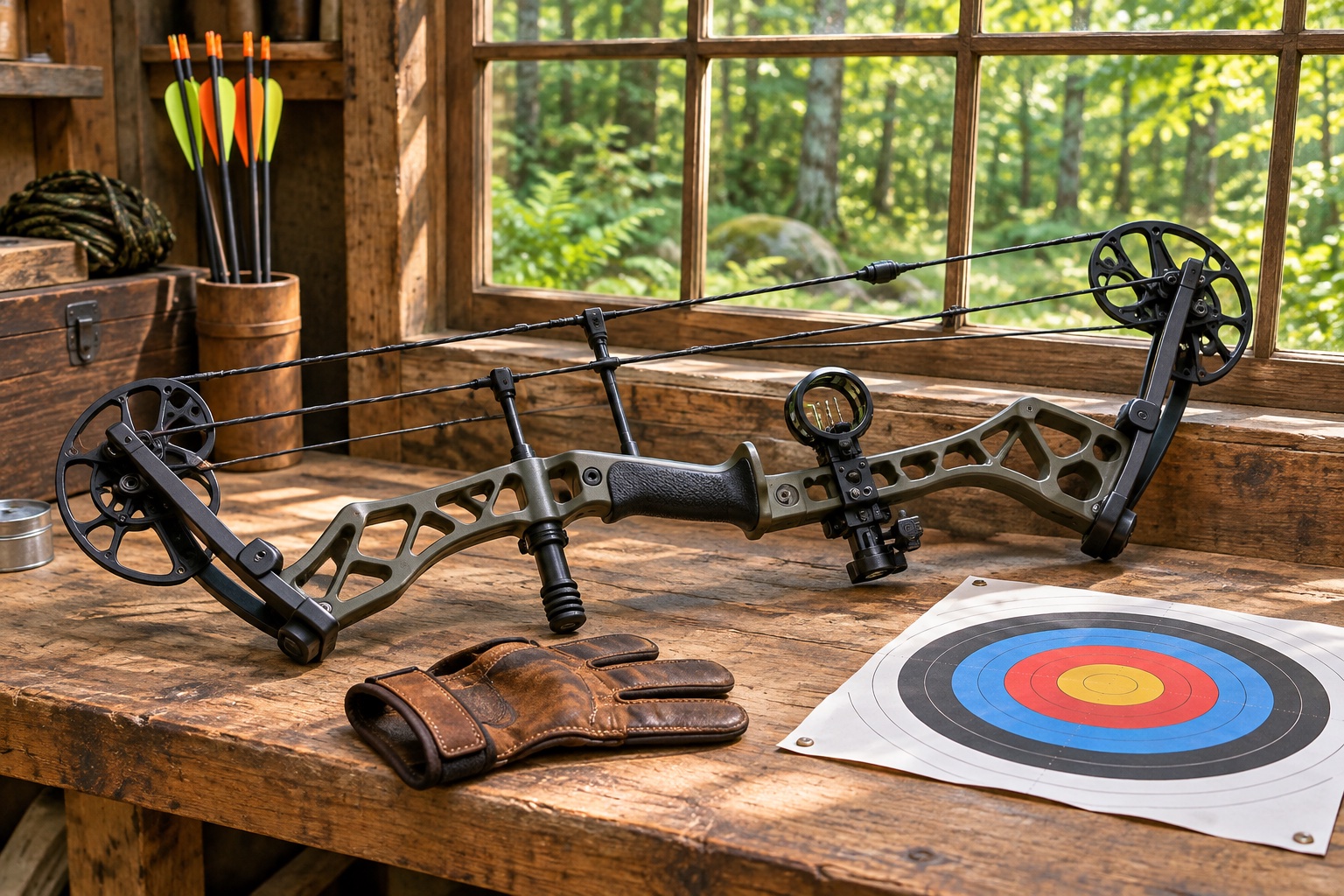
There is no single best hunting bow for every archer. The right choice fits your draw length and strength, meets local hunting rules, and feels controllable with the accessories and clothing you will actually use. Compare compound, recurve and crossbow designs at a reputable archery shop before choosing a model.
Start with fit and your hunting conditions
Ask a qualified technician to measure draw length and help identify a draw weight you can control smoothly without straining. Consider whether you will hunt from a blind, stand or on foot, and check clearance with a sight, rest and quiver fitted. Budget for matched arrows, a suitable case, fitting, practice and maintenance, not just the bow.
Rules vary by location, species and season. Check current legal requirements for bow type, minimum draw weight, arrows, broadheads and accessories. If you cannot yet draw a legal hunting weight comfortably, practice and build strength before hunting.
Compound bows: adjustable features and let-off
Compound bows use cams and cables to reduce holding weight near full draw. Many are adjustable for draw length and weight, but adjustment ranges differ and some changes require a technician, replacement modules or a bow press. Compare draw cycle, grip, total equipped weight and how the bow fits you; an advertised speed alone cannot tell you how well you will shoot it.
For more on checking the fit of a complete setup, see our hunting bow fit guide.
Recurve bows and longbows
Traditional bows use simpler designs without compound-style let-off. They can be suitable hunting equipment when legally configured and used by a practiced archer. Measure draw weight at your actual draw length, choose properly matched arrows, and get instruction in safe stringing, shooting and maintenance.
Crossbows
A crossbow is held cocked by a mechanism and uses different handling and safety practices from a hand-drawn bow. Cocking aids, a safe uncocking method, appropriate bolts and a case are important parts of the setup. Crossbow eligibility and permitted seasons vary; check the current rules for the specific hunt. Speed does not make an unsafe or unpracticed long shot appropriate.
A practical shopping checklist
- Get measured and try models of the correct handedness and size with guidance from a technician.
- Choose a draw weight you can control; verify it meets the rules for your intended hunt.
- Compare how each setup carries and clears obstacles with your intended accessories.
- Confirm service options, adjustment range and availability of replacement parts.
- Practice at a suitable range, inspect the equipment before shooting and always identify a safe target and background.
For fitting details, consult the bowhunter education guide to bow selection and current regulations for your area.
Frequently asked questions
What is the best hunting bow for a beginner?
Start with a bow that fits your measured draw length and can be drawn smoothly at a manageable weight. Instruction and the ability to practice consistently matter more than a universal model recommendation.
Is a faster hunting bow always better?
No. Advertised speeds are measured under specified conditions and do not guarantee accuracy or results in your setup. Fit, control, matched arrows and practice matter.
Can I use a recurve or crossbow for hunting?
Depending on the jurisdiction and season, either may be permitted. Verify the current rules and make sure your equipment and skills are appropriate for the hunt.