
Best Bow Hunting Sight: How to Choose the Right Sight
We may earn commission for items you purchase. As an Amazon Associate we earn from qualifying purchases.
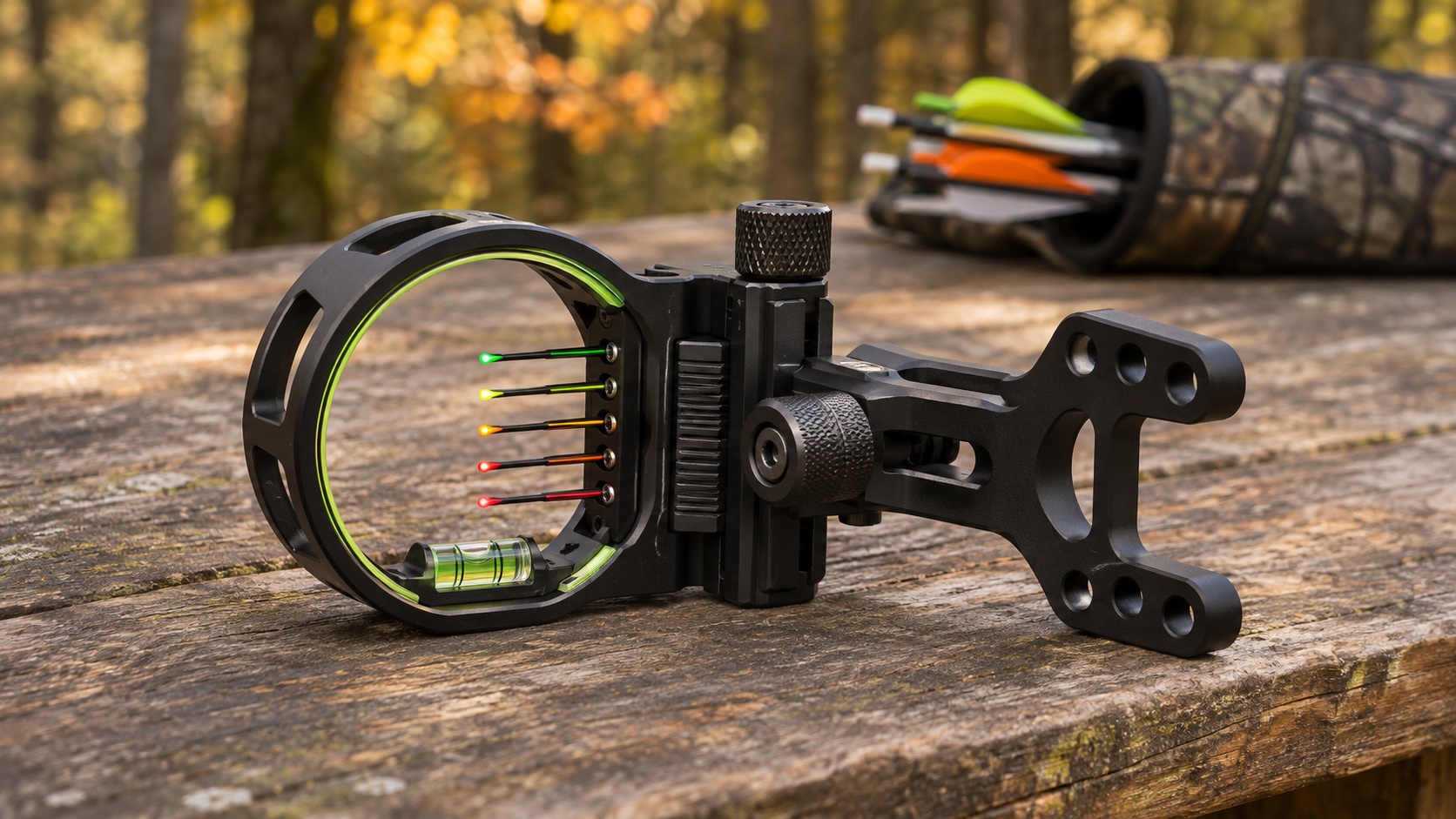
The best bow hunting sight is the one that fits your bow, gives you a clear aiming reference and matches how you hunt and practice. For many compound-bow hunters, a fixed multi-pin sight is a useful starting point because several preset references remain visible. A movable single-pin sight offers a less crowded view but requires attention to its distance setting as conditions change.
This is a comparison of sight designs and buying considerations, not a hands-on product ranking. Check compatibility and your local hunting regulations before buying, and ask a qualified archery shop for help with installation and setup.
What does a bow hunting sight do?
A bow-mounted sight gives an archer a consistent visual reference when aiming. Many compound-bow setups also use a peep sight in the string. The two must work with the bow and the archer’s normal anchor position; a sight alone cannot correct inconsistent form or guarantee an accurate shot.
Equipment, distance, practice and conditions all matter. The Archery Trade Association’s guide to compound-bow sights explains the main differences in pins, sight bars and adjustments.
Fixed-pin vs. single-pin and other bow sights
Fixed multi-pin sights
These sights have several pins that the archer sets for different distances. Their main convenience is that the references stay in view without moving the sight for each distance. The trade-off is a busier sight picture, and you must know which pin you are using.
Movable single-pin sights
A single-pin slider has one aiming reference and a movable adjustment, often paired with a sight tape matched to the setup. Its uncluttered view can be appealing, but the setting needs to correspond to the distance. An animal changing position may leave little time to readjust; avoid a shot when you cannot confidently establish the distance and setting.
Movable multi-pin sights
Some designs combine multiple pins with a movable housing. This can provide several references and an adjustment range, but adds complexity. Check how the particular model’s pins, indicator and sight tape work together rather than assuming all hybrids operate alike.
Pendulum sights
A pendulum sight uses a moving mechanism associated with angled shooting from an elevated position. Designs and limitations vary. Check the manufacturer’s instructions and practice from representative positions; do not assume a mechanism accounts for every distance or angle.
What to look for in a hunting bow sight
Mount and handedness
Confirm the mount fits your bow’s riser or rail and that the sight is offered for your shooting hand. Direct mounts, dovetail bars and rail mounts are not interchangeable by assumption. A shop can check fit, accessory clearance and fastener specifications.
Pin count, size and visibility
More pins provide more preset references but can make the housing feel crowded. Larger pins can be easier to see while covering more of the target; smaller pins offer a finer reference but may be harder to see in dim conditions. Compare pin size and fiber protection in the lighting where you actually practice.
Adjustments and construction
Look for controls you can understand and secure, and check whether a model offers the leveling and fine-adjustment features you need. Sight weight, projection from the riser, removable parts and adjustment locks affect how the setup carries and fits. Check parts and screws regularly according to the manufacturer’s instructions.
Peep sight and field of view
The front sight housing and string-mounted peep should suit your vision and comfortable anchor. A larger opening may feel different from a smaller one, especially in low light. See our guide to peep sights for archers who wear glasses for related fit considerations.
Local rules and lighting
Rules for electronic or illuminated equipment differ by jurisdiction and can change. Check the current rules for your location, season and equipment before using a sight light, rangefinding feature or other electronic accessory. A bright sight pin is not a substitute for adequate legal shooting light or a clearly identified target.
Which sight type should you choose?
For a simpler starting point: compare a fixed three- or five-pin sight with clearly distinguishable pins. The actual number and spacing should fit your setup and practice, not a generic promise about range.
For an uncluttered view: consider a movable single-pin sight if you are comfortable checking its setting and practicing with it. Choose a setup you can operate reliably without rushing.
For flexibility: compare a movable multi-pin model, but learn how its indicator corresponds to its pins. More features do not automatically make a sight the best choice.
Model availability, mounting options and included accessories change. Compare current manufacturer specifications and the exact product configuration rather than relying on an old list of recommended models.
Practice and equipment safety
Follow your bow and sight manufacturer’s instructions and use a suitable target, clear range and safe backstop. An archery shop or qualified instructor can help check the bow, sight fit and setup. Practice regularly with the equipment and conditions relevant to your hunt, and inspect equipment before use.
Know and follow local seasons and equipment rules. Take a shot only when the target and surroundings are clearly identified, the distance is known, the path is clear and the shot is within your practiced ability.
Common questions
Is a single-pin or multi-pin sight better for hunting?
Neither is best for everyone. A fixed multi-pin sight keeps several references available, while a movable single-pin sight offers a cleaner view but requires attention to its setting. Compare them in person and practice with the one you choose.
How many pins do I need?
Choose a number you can see and distinguish comfortably for the distances you have practiced. More pins can add references, but they can also make the sight picture crowded.
Does a new sight automatically improve accuracy?
No. Fit, setup, consistent form and practice all matter. A qualified archery shop or instructor can help identify the cause of a problem before you buy equipment.
Choose a sight you can use confidently
Start with compatibility, a readable sight picture and the adjustments you need. Then practice with your complete setup and follow current local hunting regulations.