What Is a Good Starter Bow for Hunting?
We may earn commission for items you purchase. As an Amazon Associate we earn from qualifying purchases.
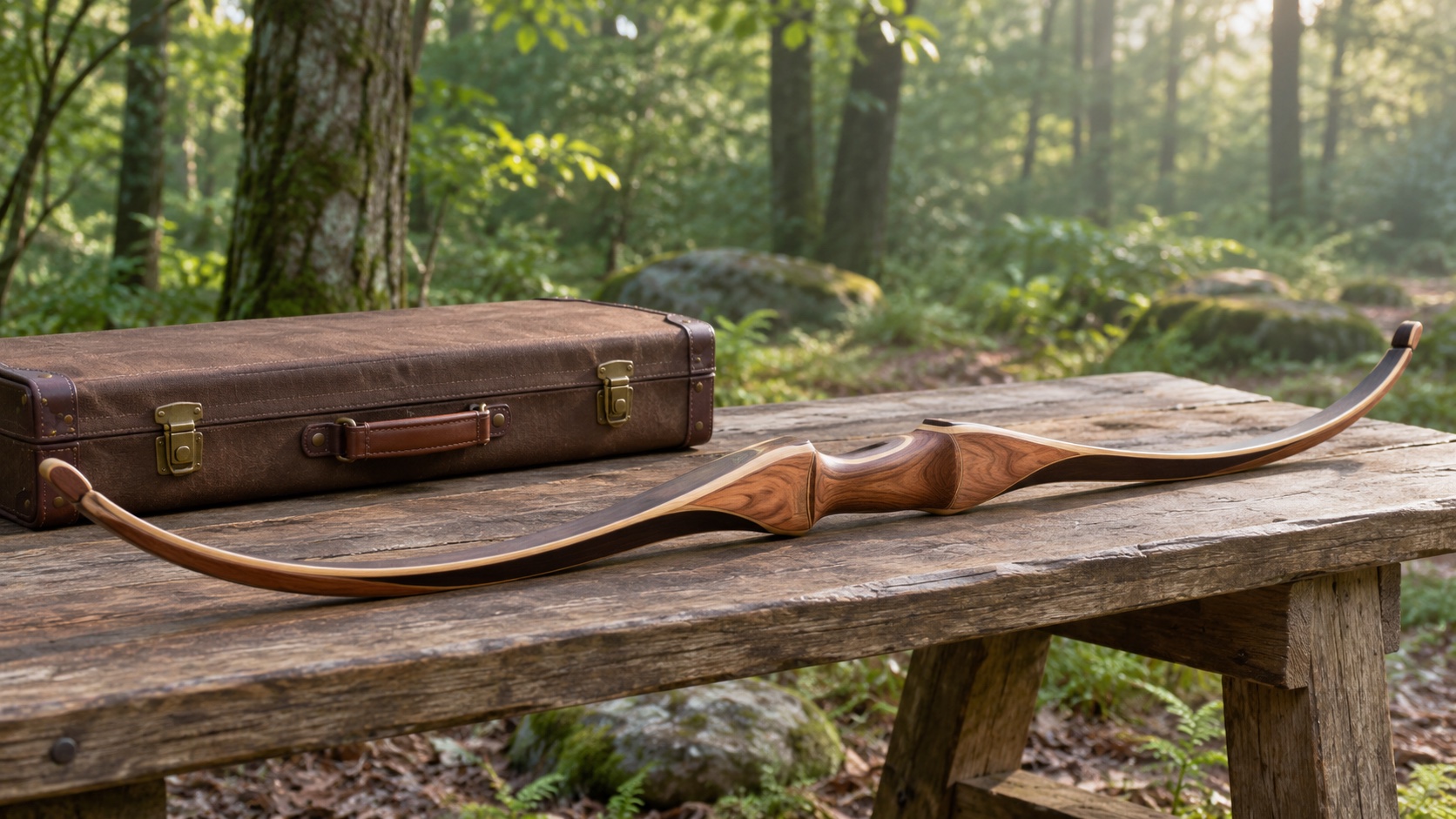
A good starter bow is one that fits you, feels manageable and meets the rules where you intend to hunt. For a beginner, an adjustable compound bow or a recurve fitted by a knowledgeable instructor or archery shop can be a starting point. There is no model that is best for everyone: try equipment in person and allow room in your budget for instruction, range time and any required safety course.
This guide explains the choices rather than ranking products. It does not represent a hands-on test of specific bows.
Starter bow options: compound or recurve?
Compound bows use a system of cams and cables. Many models offer adjustments, but the amount and method of adjustment vary. Ask an archery shop to explain the particular model's fit and service needs instead of assuming every compound can be adjusted to every person.
Recurve bows have limbs that curve away from the archer at their tips. A takedown design separates into parts for transport or service, depending on the model. Recurves and compounds have different handling and maintenance considerations; an introductory lesson can help you find out which you enjoy.
If possible, try a supervised lesson with loaner equipment before buying. The Archery Trade Association's beginner class guide notes that introductory classes may provide equipment and an instructor can help with fit and safety.
How to choose a bow that fits
Ask for an in-person fitting
Tell the instructor or shop that you are new, describe your intended use and any physical limitations, and ask to try appropriate options. Comfort and control matter more than choosing a bow based on a friend's preference or a marketing claim. The Archery Trade Association's beginner resources describe how shops can help new archers with fit, lessons and service.
Consider the complete cost
Compare what each package actually includes. Accessories, properly matched equipment, instruction, range fees and maintenance may be separate. A used bow may cost less upfront, but have a qualified technician inspect its condition and confirm it fits before deciding.
Check service and support
Ask who can inspect and service the model locally, what adjustments are available and whether replacement parts are accessible. Follow the manufacturer's instructions and have damaged equipment examined by a qualified technician.
Learn safely and check local rules
Start with a qualified instructor and an established range, and follow the range's rules and the equipment manufacturer's instructions. The Archery Trade Association shop locator guide describes how to find nearby lessons and range services.
Before hunting, check the current requirements from the state or provincial wildlife agency and the land manager. Licensing, hunter education, permitted equipment and seasons vary by location. A bow that is comfortable for introductory target lessons is not automatically legal for hunting everywhere.
Common questions about beginner hunting bows
Is a compound or recurve better for a beginner?
Either can be an introduction to archery. A supervised lesson lets you compare how they feel, while a qualified shop can help you understand fit, adjustments and maintenance.
Should I buy a bow before taking a lesson?
Not necessarily. Ask whether a local class offers loaner equipment so you can learn the basics and explore your preferences before buying.
Can I use a beginner target bow for hunting?
Do not assume that a target setup meets hunting requirements. Ask the relevant wildlife agency about current rules and consult a qualified instructor or shop about equipment suitable for your circumstances.
Is a used bow a good first choice?
It can be worth considering if it fits and is in good condition. Include the cost of a professional inspection, any needed service and properly matched accessories in your comparison.
For related reading, see our starter hunting bow guide for adults and longbow and recurve comparison.