
Best Rangefinders: Compare Models for Hunting and Golf
We may earn commission for items you purchase. As an Amazon Associate we earn from qualifying purchases.
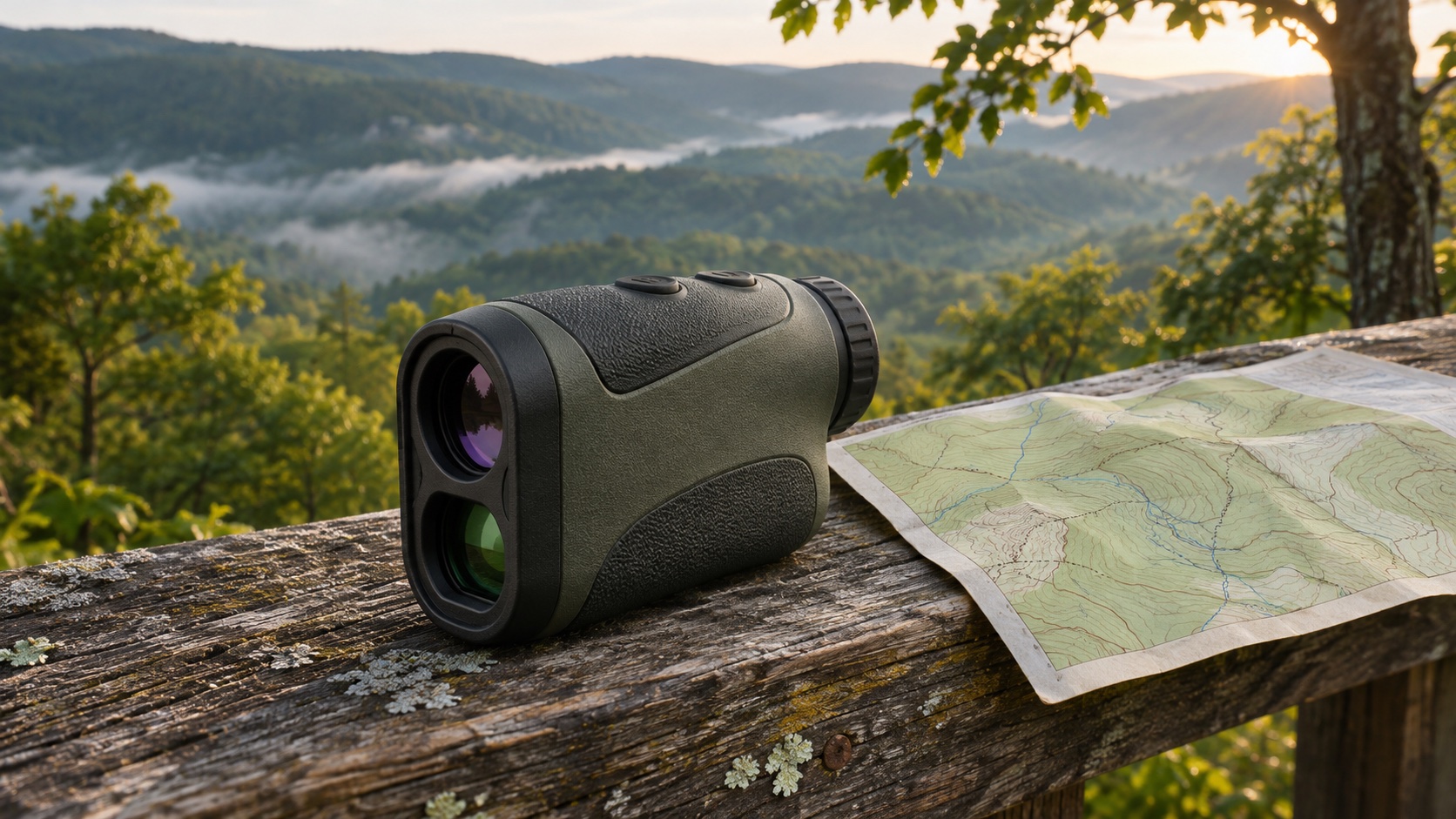
A laser rangefinder measures line-of-sight distance to a target. The right model depends on what you need to range: a golf flag, an animal or a distant landmark. Compare the useful range for that target, display visibility, targeting modes, weather resistance and power source—not just the largest number on the box.
These comparisons use manufacturer and listing information; they are not hands-on tests. Availability and specifications can change, so check the selected listing and manufacturer instructions before buying.
Rangefinders to compare
These affiliate links may earn Sportsman Crew a commission at no extra cost to you. Check the current listing for stock and available options.
Vortex Sonora HD 1800

Hunting and outdoor observation
Vortex Sonora HD 1800
The listing describes 6× magnification, angle-compensated distance and a tripod-adaptable body. Its stated limits differ by target: up to 1,800 yards on reflective targets and 700 yards on game.
Bushnell Bone Collector 850

Hunting and outdoor observation
Bushnell Bone Collector 850
This 6× rangefinder lists angle compensation and a scan mode. Its stated maximum is 850 yards on reflective targets and 350 yards on deer; compare the deer figure with your intended use.
Halo XL600

Hunting and outdoor observation
Halo XL600
The listed 6× model offers angle compensation and scan mode, with a stated maximum of 600 yards on reflective targets. Check current stock, included battery and the exact model before ordering.
Callaway 300 Pro Slope

Golf
Callaway 300 Pro Slope
The listing specifies 6× magnification, pin acquisition with vibration and a slope on/off switch. Use distance-only settings when rules require them and check the event’s local rules.
REDTIGER GolfVue Series 1

Golf
REDTIGER GolfVue Series 1
The listing describes 7× magnification, flag locking, an on/off slope switch, USB-C charging and an IP54 water-resistance rating. Confirm the selected model and charging accessories.
Gogogo Sport Vpro GS24

Golf and outdoor use
Gogogo Sport Vpro GS24
The listing describes 7× magnification, scan and flag-locking functions. Features can vary by version, so check the selected option for a slope-off switch if you need one.
How to choose a rangefinder
Match the distance rating to the target
Manufacturers often quote a maximum for a large reflective target. Smaller or less reflective targets may have a much shorter stated range. For example, the Vortex Denali 1000 specifications distinguish reflective and deer distances. Compare like-for-like target ratings and allow a margin for conditions rather than assuming a maximum is achievable on every object.
Target priority and scan mode
Golf models may emphasize a nearby flag against a background; field models may offer different target-priority or scanning options. Check the exact manual: names and behavior vary. A scan mode updates readings as you move the aiming point, which can help compare a landmark and its surroundings.
Angle compensation
Some devices show a horizontal or adjusted distance as well as line-of-sight distance. Know which value is displayed and when the feature is permitted. A distance reading does not identify a target, establish a safe backstop or replace judgment in the field.
Display, weather and power
Choose a display you can read in your expected light, a body sized for your hands and a suitable rating for rain or dust. Water-resistant and waterproof are different claims; consult the specific model’s instructions. Consider replaceable batteries versus USB charging and carry a suitable backup for longer trips.
Getting reliable readings
- Read the manual, focus the eyepiece and select yards or meters and the intended mode.
- Steady the device against a solid support and aim at a clear, unobstructed target. Branches, grass or glass can interfere with a reading.
- Take repeated readings and compare nearby objects when the result is uncertain. Distance, target size and reflectivity, weather and steady aim all affect what a device can measure.
- Keep lenses clean as the manufacturer recommends and confirm the battery has enough charge before leaving.
Golf rules and slope mode
Under the USGA guidance on distance-measuring devices, players may measure distance but must not use slope or wind functions during a round. A competition committee may also prohibit distance-measuring devices by local rule. Check the event’s current rules; a slope switch alone does not establish that a device is permitted in every competition.
Common questions
Can one rangefinder work for hunting and golf?
Some can, but check target-priority modes, display, weather protection and whether slope can be disabled. Golf and outdoor models can emphasize different features.
Does the maximum range apply to a deer or flag?
Not necessarily. A maximum quoted for a reflective surface is not a deer or flag rating. Look for the specific target rating and treat it as a manufacturer claim, not a guarantee in every condition.
Is a rangefinder with slope always allowed in a tournament?
No. Check the competition’s local rules and do not use prohibited slope or wind information during a round.
Is a larger magnification always better?
Not automatically. Magnification affects how targets appear, but a clear display and the ability to hold the device steady also matter. Compare models for your own use.