
Is a Recurve Bow Good for Hunting?
We may earn commission for items you purchase. As an Amazon Associate we earn from qualifying purchases.
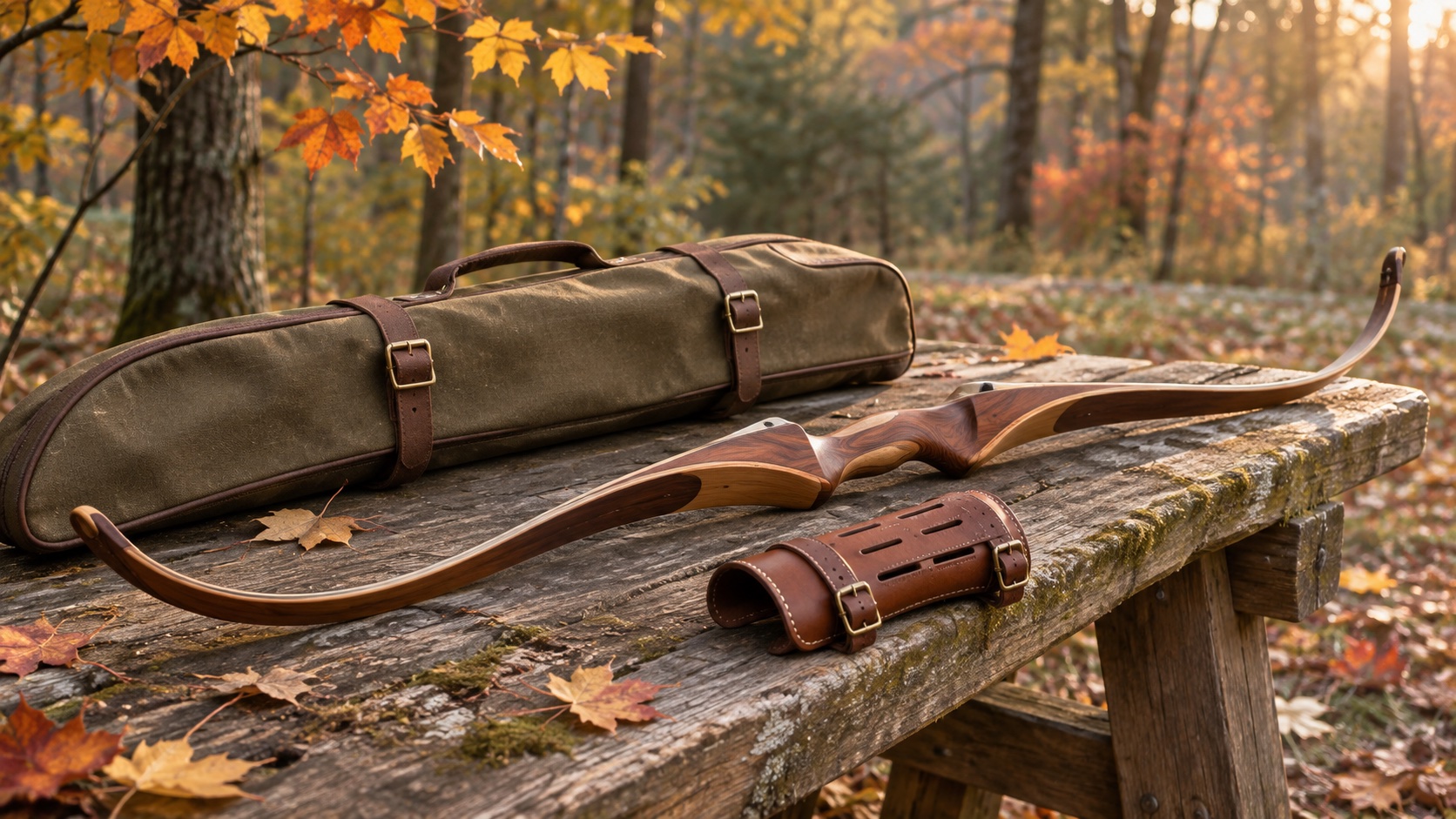
Yes, a recurve bow can be a good hunting choice where it is legal and the archer has a properly fitted setup, sufficient practice and the judgment to pass on an uncertain opportunity. It is not automatically the best choice for every hunter. A recurve requires the archer to hold its draw weight without the mechanical let-off of a compound bow, so comfort and consistency matter more than choosing the heaviest model.
Before a hunt, check the current rules for your location, season and game species. Take the required hunter education, and seek instruction from a qualified archery or bowhunter educator if you are new to the equipment.
Why choose a recurve for hunting?
A recurve has limbs that curve away from the archer near their tips. Unlike a compound, it does not use a system of cams and cables to reduce holding weight at full draw. Some recurves are one-piece designs; others have removable limbs, which can make transport or limb replacement more convenient. A simple design still requires inspection, maintenance and correct setup.
Recurves appeal to people who value a traditional archery experience and are willing to devote time to developing consistent skills. Size, mass and noise differ by individual bow and setup; do not assume every recurve is lighter, shorter or quieter than every compound.
Recurve vs. compound bow for hunting
Holding weight: A compound's cam system provides let-off, reducing the force held at full draw. A recurve does not provide that mechanical let-off. The Texas Parks and Wildlife archery guide describes this difference.
Equipment and adjustments: Compounds typically have more mechanical parts; recurves are generally simpler in construction. Either type needs a suitable fit, compatible equipment and maintenance. Many archers use sights and other accessories on either style, subject to local rules.
Practice: The right choice is the bow you can handle safely and use consistently. Neither style guarantees accuracy or a responsible outcome. An instructor or reputable archery shop can help assess fit and a comfortable draw weight.
Fit, draw weight and practice
Choose a bow that you can draw smoothly and control without straining. Recurve draw weight depends on how far the bow is drawn, so a marked weight does not necessarily describe the weight at every archer's draw length. A qualified shop can help measure the setup and select compatible arrows according to the manufacturer's guidance.
Start with an appropriate training setup and develop consistent form under supervision. Practice regularly at a suitable range, follow its safety rules, inspect equipment and stop if you experience pain or fatigue. A legal minimum, where one exists, is not a substitute for a setup that fits the person, the conditions and the applicable rules.
For more on equipment choices, see our recurve bow selection guide. Confirm the current details with a qualified instructor or shop before purchasing.
Check local rules and put safety first
Hunting regulations differ by state, species, location and season and can change. Check the responsible wildlife agency for license and education requirements, permitted equipment, season dates and any restrictions before hunting. For example, Texas lists recurve bows among lawful archery equipment subject to its rules; that example does not establish legality elsewhere.
Use a safe, approved practice area and a suitable backstop, and follow the range's procedures. In the field, know what is beyond the target, identify it positively and pass whenever conditions are uncertain. Follow equipment instructions for transport, storage and inspection. A bowhunter education course covers safety, responsibility and local requirements; it may be required in addition to basic hunter education in some places.
Common questions
Can a beginner use a recurve bow?
Yes. Many people learn on a recurve, but a beginner should use a manageable training bow and get instruction. Building skill and strength takes time, and a beginner setup may not meet the rules or needs of a particular hunt.
Is a recurve always quieter than a compound?
No universal comparison is reliable. Noise depends on the particular equipment, setup, maintenance and conditions. Avoid relying on a general claim when comparing individual bows.
Is there one draw weight that is right everywhere?
No. Rules and needs vary, and the weight you can control consistently matters. Consult the current wildlife regulations for the exact hunt and have a qualified professional assess your setup.
Is a recurve right for you?
A recurve can be a rewarding hunting option when it fits the archer, complies with local rules and is backed by regular practice and sound judgment. Compare it with a compound in person, seek qualified instruction and give yourself time to build consistent skills before deciding.