
Can You Drink Beer While Bow Hunting? Safety and Hunting Laws
We may earn commission for items you purchase. As an Amazon Associate we earn from qualifying purchases.
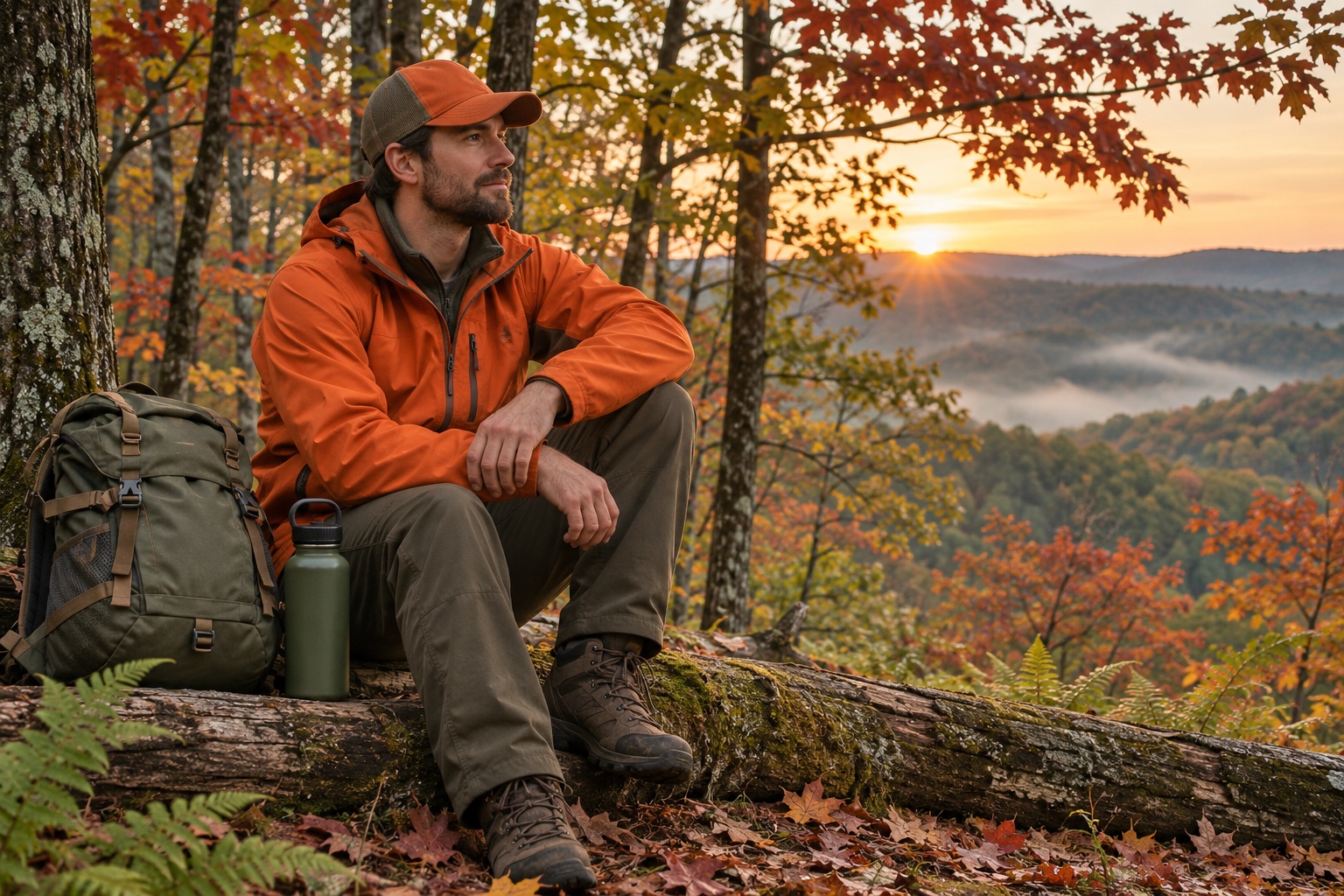
Do not drink beer before or during a bow hunt. Alcohol can impair judgment and coordination before a person looks intoxicated, and hunting while impaired is illegal in many places. Wait until the hunt and all equipment handling and travel are finished, follow local rules, and arrange a sober ride if you choose to drink.
This guide explains why alcohol and hunting are a poor combination, how to check the rules where you hunt, and what to do if someone in your group has already been drinking.
Is drinking while bow hunting legal?
Rules differ by state, activity and the land you are using. Do not assume that a rule for driving, or the absence of a specific mention of beer, permits hunting after drinking. Check the current hunting regulations and statutes for your location and any landowner, wildlife-area or outfitter rules before the trip.
For example, West Virginia law prohibits hunting while under the influence of alcohol and also specifies a blood-alcohol threshold. Virginia law expressly covers hunting wildlife with a bow and arrow or crossbow while under the influence of alcohol. Massachusetts hunting rules also prohibit hunting or carrying a bow and arrow while under the influence. These are examples, not a state-by-state legal survey.
A numerical blood-alcohol threshold is not a recommended limit for hunting, and impairment can be relevant even below a stated threshold. Alcohol, medications and other drugs can also interact. If you have consumed alcohol or a substance that may impair you, do not hunt, handle hunting equipment or drive.
How alcohol affects hunting safety
Hunting and returning from the field call for sound decisions, attention and coordination. The National Institute on Alcohol Abuse and Alcoholism explains that alcohol can diminish judgment and coordination before obvious signs of intoxication appear. A person may not be a reliable judge of their own impairment.
Those effects matter while navigating uneven ground, climbing into or out of an elevated stand, communicating with a hunting partner, and making decisions around equipment. Alcohol's effects can continue after the last drink, so a person who has been drinking should stop for the day and arrange a sober way home.
Coffee, an energy drink, food or a cold shower does not quickly restore a person to sobriety. The CDC notes that caffeine does not reduce alcohol's effects; feeling more awake is not the same as being unimpaired. Do not rely on a fixed number of drinks or a short waiting period as a safety test.
Hydration and alcohol-free alternatives
Bring safe drinking water and plan for the weather, terrain and duration of the outing. Fluid needs vary with the person and conditions; a blanket instruction to drink a gallon per day is not a sound substitute for a plan. In hot weather, take breaks and drink water regularly rather than relying on alcohol. The CDC's heat guidance for outdoor workers recommends water and avoiding alcohol in the heat.
Water, unsweetened flavored water or another alcohol-free drink are straightforward options for the field. Check labels: drinks marketed as nonalcoholic are not necessarily alcohol-free. If sweating continues for several hours, the CDC/NIOSH hydration guidance notes that balanced electrolyte drinks may be useful; routine meals and water generally replace fluids and salt for shorter outings. Avoid forcing excessive amounts of fluid, which can also be dangerous.
Make a group plan before the hunt
Set a clear expectation before leaving: no alcohol before or during the hunt, equipment handling or the trip home. Pack water and snacks, check in with one another, and agree on transportation and the location where the day ends. Follow site and camp rules; public lands and private properties may have additional restrictions.
If someone has already been drinking, have them stop hunting and avoid handling equipment, climbing a stand or operating a vehicle or boat. Keep the group together, get a sober person to help with a safe return, and do not pressure anyone to continue. Call emergency services if there is an injury, severe confusion or another emergency.
If adults choose to have a drink later, wait until hunting, equipment handling and travel are over, the group is in a safe setting, and no one who has been drinking needs to drive. A next-day hunt also requires enough time to be fully sober; sleep, coffee and a shower do not provide a reliable shortcut.
Common questions
Is one beer safe before bow hunting?
There is no reliable one-beer rule: alcohol content, the individual and circumstances vary, and impairment can start before obvious symptoms. The safer choice is to avoid alcohol before and throughout the outing.
Can I drink at hunting camp after the hunt?
Check applicable laws and camp or land rules. If adults choose to drink, wait until the day's hunting, equipment handling and travel are finished, and plan a sober ride. Do not assume drinking is permitted simply because a hunt is over.
Can I drink coffee to sober up?
No. Caffeine may make you feel more alert but does not reverse alcohol's effects on coordination or judgment. Time is needed for the body to process alcohol; there is no fixed waiting time that guarantees safe hunting or driving.
What if my hunting partner has been drinking?
Do not continue the hunt together or let the person drive or handle hunting equipment. Arrange help from a sober member of the group and contact emergency services if the situation requires it.
Bottom line
Save the beer for a lawful, safe setting after the day's hunting, equipment handling and travel. Clear heads and a group plan help everyone return safely.