
Best Hunting Earbuds for Hearing Protection: Ratings and Fit
We may earn commission for items you purchase. As an Amazon Associate we earn from qualifying purchases.
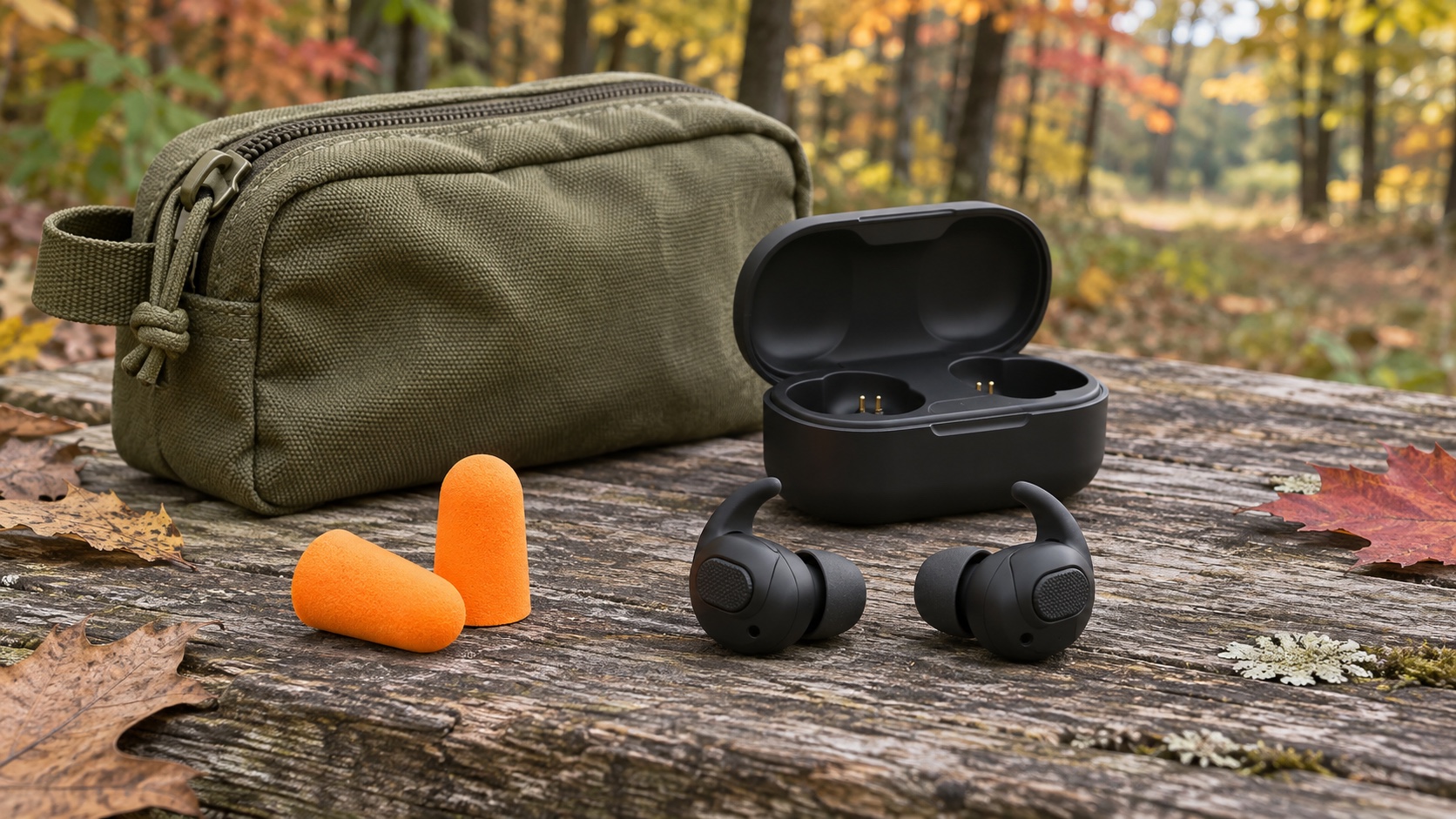
For hunting or shooting around firearms, choose hearing protectors designed and labeled for hazardous noise—not ordinary music earbuds just because they advertise noise cancellation. A proper seal matters, and electronic sound enhancement does not make protection foolproof. NIOSH recommends wearing earplugs and earmuffs together for impulse noise such as gunfire.
Below are current listings for in-ear hearing protectors and one over-ear alternative. Ratings are manufacturer or listing claims, not a measure of protection we tested on your ears. Check the exact model, tips, instructions and availability before ordering.
Hunting hearing protectors to compare
These affiliate links may earn Sportsman Crew a commission at no additional cost to you. NRR values are laboratory ratings, not guaranteed reductions in every setting.
Pro Ears Stealth 28 HT

Behind-the-head electronic plugs
Pro Ears Stealth 28 HT
Pro Ears lists a 28 dB NRR for this behind-the-head model. Its manual specifies foam tips for maximum protection; follow the supplied fit and tip instructions rather than assuming every tip provides the same attenuation.
Pro Ears Stealth 28

Lightweight electronic plugs
Pro Ears Stealth 28
Pro Ears lists a 28 dB NRR for this electronic in-ear model. Compare the eartips, fit and controls with the HT version; neither rating guarantees the protection a particular wearer will achieve.
ISOtunes Sport ADVANCE BT

Bluetooth in-ear protection
ISOtunes Sport ADVANCE BT
ISOtunes lists a 26 dB NRR with its foam tips and 25 dB with the specified triple-flange silicone tips. Check the model and supplied tips, and make sure the selected tip seals correctly.
ISOtunes Sport CALIBER BT

Wireless in-ear protection
ISOtunes Sport CALIBER BT
The manufacturer lists a 25 dB NRR with the supplied foam or triple-flange silicone tips. The individual earbuds use a charging case; confirm fit and compatibility with any over-ear protection.
Walker’s Isolator earbuds

Electronic in-ear protection
Walker’s Isolator earbuds
Walker’s lists a 25 dB NRR for the Isolator. The checked Amazon listing had limited stock. It includes multiple tips and fitting fins; follow the model’s instructions for the rated configuration.
PROHEAR electronic earmuffs

Over-ear alternative
PROHEAR electronic earmuffs
This original listing is an earmuff, not an earbud. It lists an NRR of 23 dB and sound amplification. Earmuffs can also be worn over properly fitted earplugs when double protection is appropriate, provided the cups seal around the ears.
How to choose and fit hunting hearing protection
Noise cancellation versus hearing protection
Active noise cancellation in ordinary headphones is designed to reduce certain background sounds; it does not by itself establish protection from gunfire. NIOSH says headphones or earbuds with this technology should not be treated as hearing protection unless they are labeled with a noise reduction rating. Select equipment designed for the exposure and follow the instructions.
Fit and seal
Use the manufacturer’s specified tips and insertion method. Ear canal sizes differ, and a loose or dislodged tip can reduce protection. Fit-testing can help determine the protection an individual achieves. For muffs, glasses, hair or a hat can interfere with the cup seal; check the fit with all your gear on.
Durability and care
Inspect tips, cushions, cables and seals for wear or dirt and replace them as the maker directs. A water-resistance rating describes a test condition, not a promise against every weather exposure. Carry the protectors in a clean case and keep spares available.
Batteries and electronic features
Electronic models can make quiet environmental sounds more audible while limiting some loud sound transmission, but response and performance vary. Check the manual for what works with the power off, keep batteries charged or replaced, and do not assume electronics compensate for a poor seal.
Awareness and communication
Try the controls and practice hearing commands in a safe setting. Fit, wind and other equipment can affect what you hear; no device guarantees that you will hear every sound. Keep audio volume low enough to remain aware of your surroundings and follow range rules.
Bluetooth and compatibility
Bluetooth is useful for calls or audio but is separate from a protector’s attenuation. Check whether the earbuds fit beneath earmuffs without breaking either seal if you plan to double up. Consult the manufacturer and an audiologist or hearing-conservation professional when fit or protection is uncertain.
Understanding NRR and impulse noise
The Noise Reduction Rating is measured under laboratory conditions. Actual attenuation is often lower and varies with fit and use; it is not a number to subtract from every gunshot level as a guarantee of safety. Pro Ears notes in its instructions that NRR is based on continuous noise and may not accurately indicate the protection attained against impulses.
NIOSH recommends double hearing protection for impulse noise. Wear properly fitted earplugs with earmuffs over them when shooting, and follow your range and equipment instructions. No protector can promise zero risk.
Frequently asked questions
Are noise-cancelling music earbuds enough for hunting?
Do not assume they are hearing protection. Look for a properly rated hearing protector intended for the noise exposure, and use double protection for impulse noise as NIOSH recommends.
Is a higher NRR a guarantee of better protection?
No. The rating is a laboratory measure, and a poor fit can greatly reduce real-world attenuation. Use the specified tips, fit the device correctly and consider individual fit-testing.
Can I wear electronic earbuds under earmuffs?
Some are designed to fit, but shapes and seals vary. Verify that both protectors fit correctly together and do not interfere with each other; follow both manufacturers’ instructions.
Choose protection you can fit consistently
Start with rated protectors, confirm the fit and use them consistently. For firearm impulse noise, pair properly fitted plugs with earmuffs and consult a hearing professional if you need individualized guidance.