
Best Hunting Knife for Deer: Compare Fixed Blades and Field Kits
We may earn commission for items you purchase. As an Amazon Associate we earn from qualifying purchases.
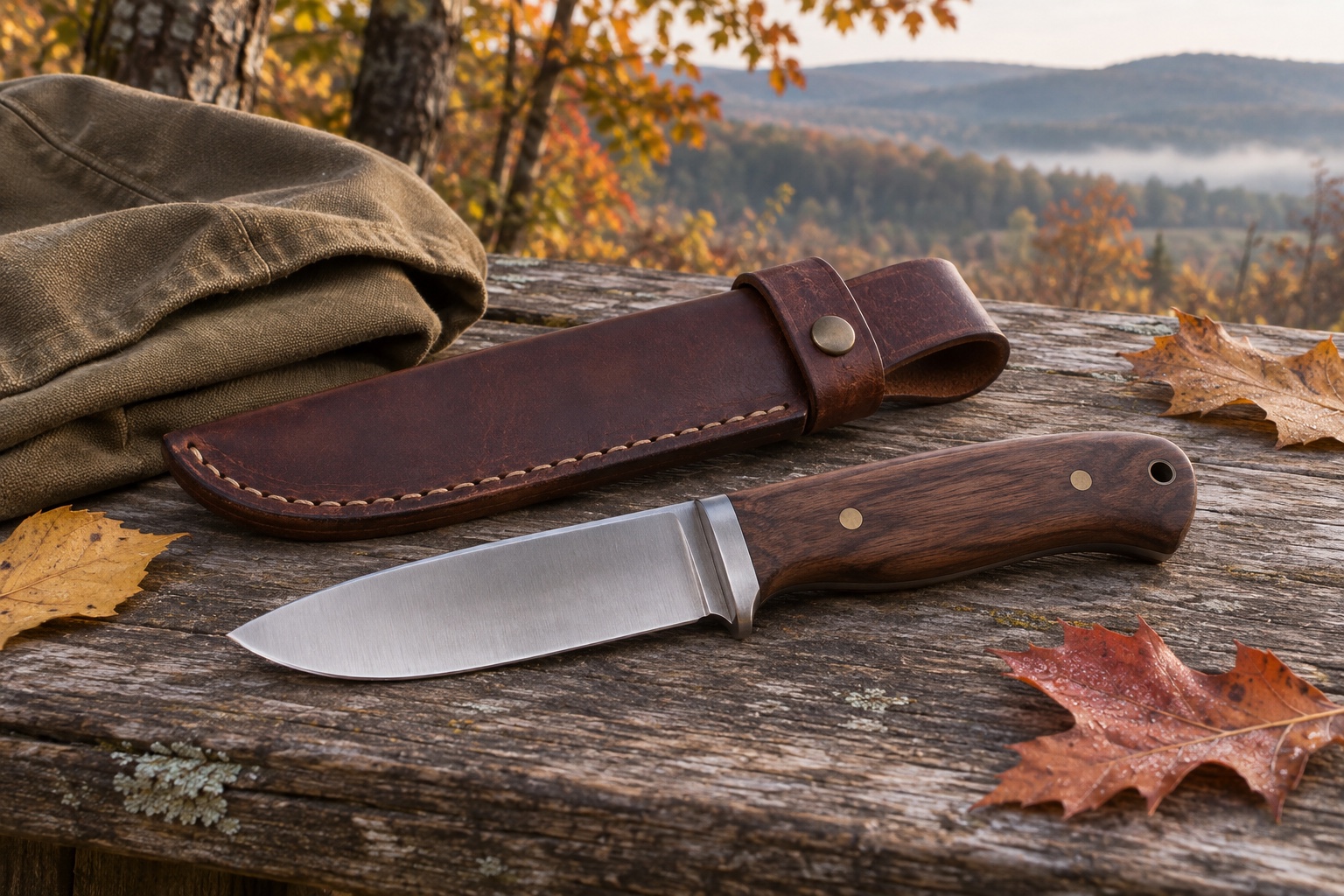
The best deer hunting knife is one you can control comfortably, keep clean and maintain in the field. A compact fixed blade with a secure sheath is a straightforward starting point; a replaceable-blade folder or a multi-piece kit may suit hunters who prefer a fresh edge or separate tools for different tasks.
Below we compare current listings and their tradeoffs. Product descriptions are based on available listing information, not hands-on tests. Availability, package contents and sizes can change.
Deer hunting knives and kits to compare
These affiliate links may earn Sportsman Crew a commission at no additional cost to you. Check the exact model and package before ordering.
Buck 103 Skinner
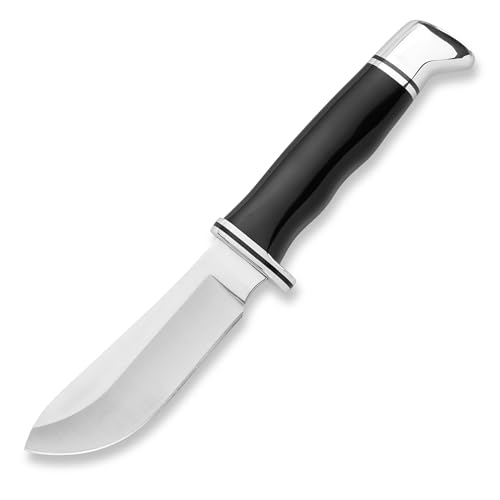
Single fixed blade
Buck 103 Skinner
The listing describes a four-inch 420HC stainless skinner blade, full tang and leather sheath. A single knife is simpler to carry and clean than a large processing kit. The checked listing had limited stock.
Mossy Oak gut-hook knife
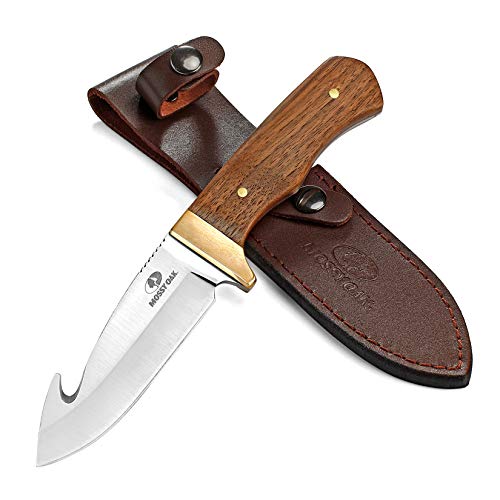
Gut-hook fixed blade
Mossy Oak gut-hook knife
A fixed blade with a listed 4½-inch stainless blade, wood handle and leather sheath. A gut hook is a preference rather than a requirement; check whether its shape and sheath suit your use.
Outdoor Edge RazorLite EDC

Replaceable-blade folder
Outdoor Edge RazorLite EDC
A folding knife with a pocket clip and replaceable blades; the listing includes six blades. Carry replacements and a safe way to contain used sharp blades, and follow the maker’s changing instructions.
Outdoor Edge WildGuide

Compact knife and saw set
Outdoor Edge WildGuide
The listed set combines a gut-hook skinner, caping knife and T-handle saw in a belt sheath. Multiple tools add versatility and cleaning, while the bright handles are easier to find if set down.
Elk Ridge two-piece knife set

Two fixed blades
Elk Ridge two-piece knife set
The listing includes a gut-hook knife and a smaller caping knife in a nylon sheath. Consider whether both handle sizes fit your hand, especially when wearing gloves.
KNINE OUTDOORS compact deer kit

Compact processing set
KNINE OUTDOORS compact deer kit
The listed pack includes a gut-hook skinner, caping knife, saw and two-step sharpener. Check the current package contents and sheath arrangement before ordering.
Outdoor Edge WildLite set
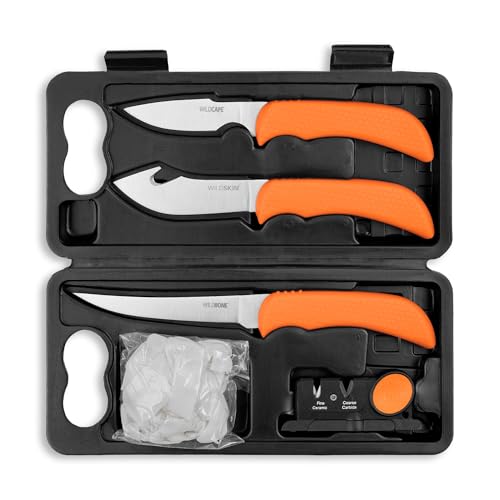
Field-to-freezer set
Outdoor Edge WildLite set
The listing describes gutting, caping and boning knives with a sharpener and gloves in a hard case. A set is useful for varied processing tasks but takes more space than one knife.
Mossy Oak field dressing kit
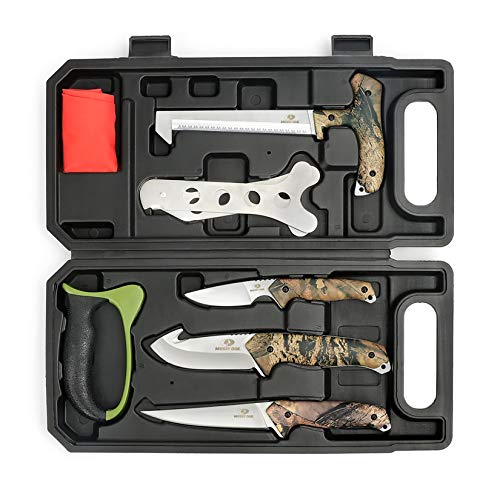
Eight-piece kit
Mossy Oak field dressing kit
The listed case includes caping, gut-hook and boning knives, a saw, sharpener and other accessories. Confirm the current contents and clean each tool after use.
KNINE OUTDOORS twelve-piece set
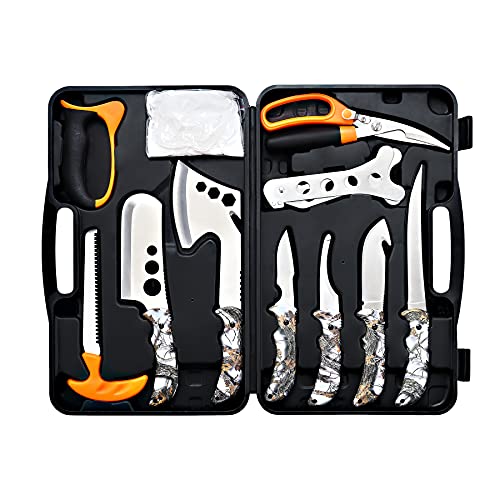
Large processing kit
KNINE OUTDOORS twelve-piece set
A larger cased set with multiple knives, a saw, shears and a cutting board according to the listing. It is more suited to organized processing than a minimalist pack; inspect the contents and storage space.
How to choose a deer hunting knife
Blade shape and task
A drop-point or skinning blade with a curved belly is a common choice for controlled cuts. A gut hook can be useful for some hunters but is not essential. Decide whether a general-purpose blade is enough or whether separate caping and boning knives will earn their place in your kit.
Blade length and control
Look at blade length as well as overall length. A moderate blade is often easier to maneuver than a large Bowie-style knife for detailed work. Try the handle with gloves where possible; choose a size you can control rather than the largest blade available.
Fixed, folding or replaceable?
Fixed blades have fewer moving parts and need a fitted sheath. Folding knives are compact but have hinges that require careful cleaning. Replaceable blades reduce the need to sharpen in the field, but replacements and safe disposal add logistics. Follow the manufacturer’s directions for changing blades.
Steel and sharpening
Stainless blades generally resist corrosion better than many non-stainless carbon steels, but all need cleaning and drying. Edge retention, toughness and sharpening effort depend on the specific steel, heat treatment and geometry. A small sharpener and familiarity with the edge are useful for a conventional blade.
Grip and sheath
Choose a handle that fits your hand with gloves and remains manageable when damp. Wood, rubberized and synthetic handles feel different; none should be assumed slip-proof. The sheath should cover the edge and retain the knife securely during carry.
Hygiene and chronic wasting disease precautions
Wear disposable or rubber gloves when handling game, keep field tools separate from kitchen utensils, and wash hands and equipment after use. Check current state wildlife and health guidance for the hunting area, including whether CWD testing is recommended or required. CDC advises avoiding animals that appear sick, minimizing contact with organs such as the brain and spine, and not eating meat from an animal that tests positive. See CDC’s CWD guidance for the full recommendations.
Routine cleaning removes dirt and helps ordinary hygiene, but do not assume it destroys CWD prions. Follow your state’s current instructions for handling potentially contaminated equipment and carcasses.
Frequently asked questions
Is one knife enough for deer?
A well-chosen single knife can handle many field tasks. A second blade, sharpener or specialized kit may be helpful depending on your processing plan. Choose tools you can use and clean safely.
Do I need a gut hook?
No. Some hunters prefer one, while others use a conventional blade. The grip, edge and control matter more than whether a hook is present.
How do I choose between a fixed blade and replaceable blades?
Choose a fixed blade if you prefer a simple construction and can sharpen it; consider replaceable blades if you prefer swapping a dull edge and are prepared to carry and dispose of blades safely. Either design needs careful cleaning.
Choose for fit and maintenance
Prioritize control, a secure sheath and a blade you can keep clean and sharp. Check local regulations and wildlife-health guidance before each trip.