
Best Hunting Kayaks: Choosing a Boat for Your Water and Gear
We may earn commission for items you purchase. As an Amazon Associate we earn from qualifying purchases.
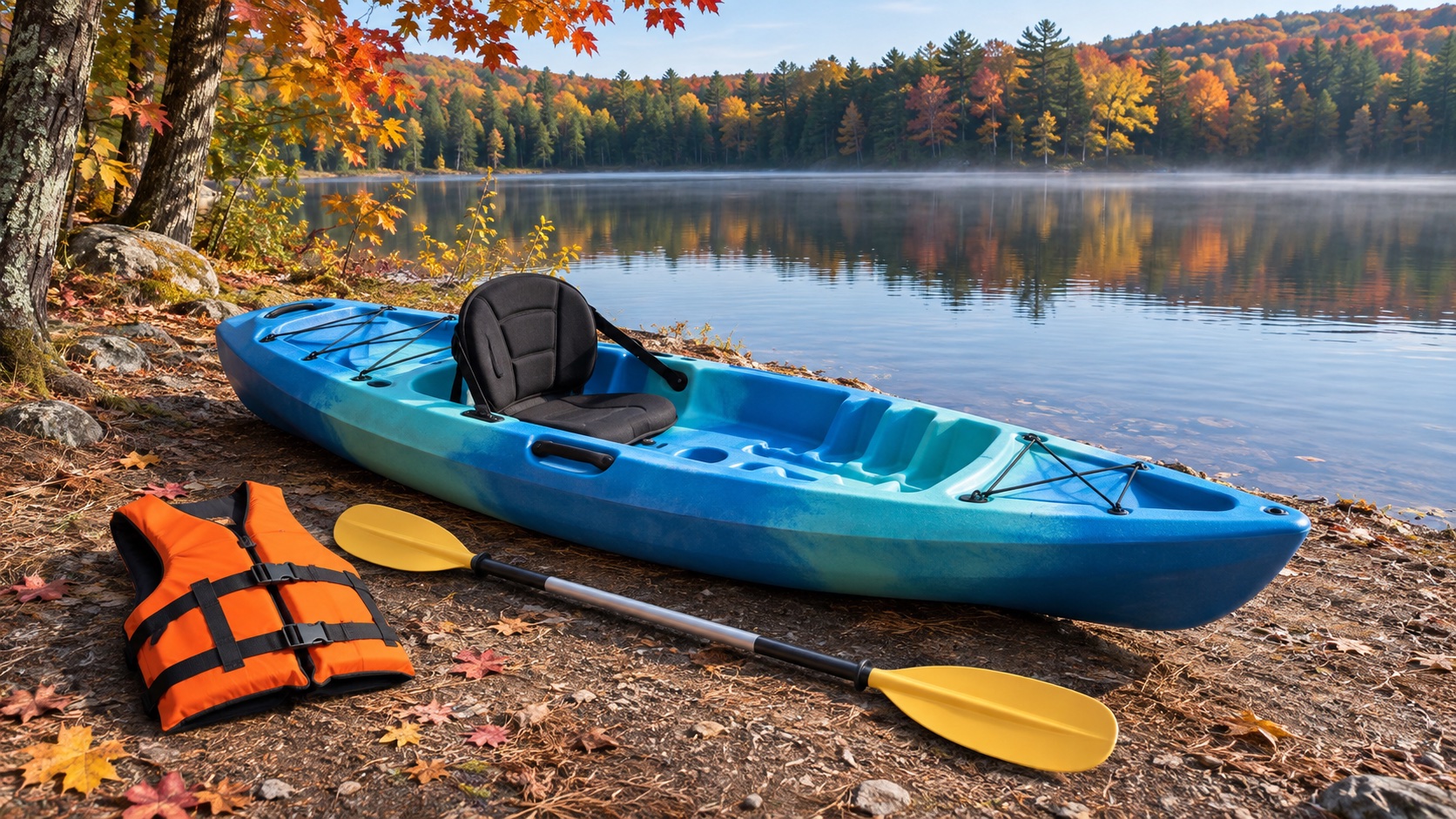
The best kayak for a hunting trip is one that fits the paddler, the total load and the conditions on the water. Start with the manufacturer's capacity rating, seating and storage, then consider how you will transport the boat and whether your paddling and rescue skills match the route.
The models below are sit-on-top fishing kayaks that may be worth comparing for outdoor use; they are not tested or certified here for a particular hunting setup. Check manufacturer instructions, local boating rules and hunting regulations before purchasing or using any boat.
Sit-on-top kayaks to compare
These examples are based on current product listings, not a hands-on ranking. Availability, color, included accessories and shipping can change. Check the actual listing and maker's specifications for the selected model.
Pelican Sentinel 100X Angler

Sit-on-top kayak
Pelican Sentinel 100X Angler
The listing describes a single-person fishing kayak with an elevated padded backrest and removable rear storage. Confirm the exact dimensions, weight rating and included items with the seller and manufacturer.
Lifetime Tamarack Pro 103
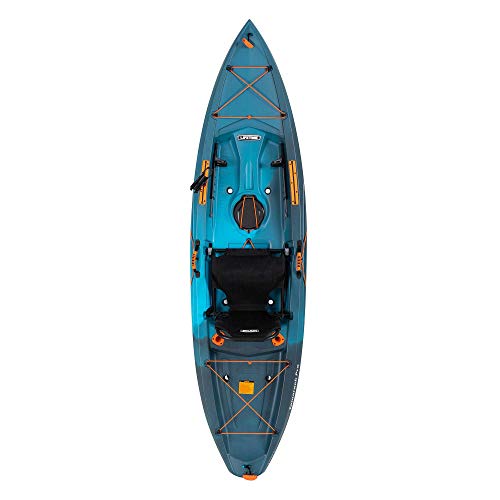
Sit-on-top kayak
Lifetime Tamarack Pro 103
The listed kayak has an adjustable seat and footrests, storage areas and bungee cords. Check the capacity, dimensions and included accessories before deciding if it fits your load and vehicle.
Perception Pescador Pro 10
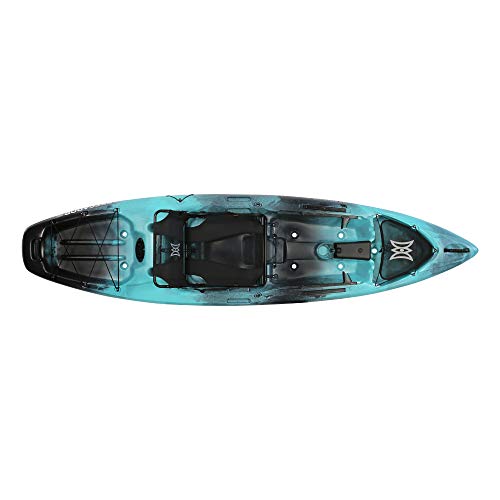
Sit-on-top kayak
Perception Pescador Pro 10
The listing describes an adjustable chair-style seat and front and rear storage. Verify the selected model's published capacity and transport weight; the rating includes the paddler and all equipment.
The original article also linked to an Elkton tandem kayak listing. Check its current availability and included components if considering a tandem.
Capacity, storage and fit
Capacity is the manufacturer's maximum load rating, not a promise that every loaded boat will handle well in every condition. Include the paddler, clothing, life jacket, water and all equipment in the load, and leave a sensible margin. Do not exceed the rating. Keep the load low and evenly distributed, and secure gear without blocking your exit or rescue equipment.
- Water and route: Match the boat to the water, weather, distance and your skills. A sheltered pond and a windy open lake present very different conditions.
- Fit and access: Check the seat, footrests, entry and exit while wearing the clothing and life jacket you intend to use.
- Storage and transport: Check dimensions and boat weight against your vehicle, loading ability and storage space. Confirm whether the paddle and seat are included.
- Construction: Sit-on-top and sit-inside designs differ in drainage, entry and exposure. Neither type eliminates capsize risk.
Cold-water and boating safety
Wear a properly fitted U.S. Coast Guard-approved life jacket on the water. The National Weather Service recommends dressing for the water temperature, checking weather and water conditions, carrying an appropriate means of emergency communication and leaving a float plan with someone you trust. Cold-water immersion can become dangerous quickly; postpone if conditions exceed your equipment or skills.
Practice entry, exit and capsize recovery in a suitable controlled setting with qualified instruction before a trip. The U.S. Coast Guard paddling guidance recommends a life jacket, a float plan, avoiding overload and paddling with a companion. Plan the route and weather window conservatively; never assume the boat's color or a calm forecast guarantees visibility or safety.
Check the current state and property rules for boating, life jackets, lighting, access and hunting from water. Requirements differ by location. The Wisconsin DNR's waterfowl boating guidance also emphasizes wearing a life jacket, balancing the load and watching for changing weather and submerged hazards.
Kayak, tandem or small boat?
A single-person kayak can be simpler to transport than a larger boat, but its usable space is limited. A tandem changes the seating and total-load calculation. A small jon boat is a different type of vessel and may offer different carrying and transport characteristics; check its own capacity and equipment rules.
The earlier article included a Pelican Intruder 12 jon boat. It is a small boat rather than a kayak; review its specifications separately.
Other previously linked items include a boat brush gripper, winter pants, a clamp-on umbrella and rechargeable hand warmers. These accessories and clothing are not substitutes for cold-water immersion protection or a life jacket; confirm current availability and intended use.
The original page also linked to a kayak-fishing DVD, Kayak Fishing Bahamas, a kayaking-themed mystery and a children's adventure book. They are media, not boats or safety equipment.
Common questions
Can a fishing kayak be used for hunting?
Some paddlers use fishing kayaks for outdoor trips, but suitability depends on the boat, load, conditions and local rules. Verify the manufacturer's instructions and legal requirements for the specific use.
Does a kayak's weight rating include the paddler?
Plan for the combined weight of the paddler and everything aboard, and follow the manufacturer's rating. Never load beyond it.
Is a wide kayak impossible to capsize?
No. Any kayak can capsize. Stability depends on the design, loading, movement and water conditions; practice recovery and wear a life jacket.
Are warm clothes enough for cold water?
Do not assume so. Dress for possible immersion, check the water temperature and use appropriate cold-water protection. The NWS advises considering postponement when water is too cold.