
Hunting Dog E-Collars and GPS Trackers: Features and Welfare
We may earn commission for items you purchase. As an Amazon Associate we earn from qualifying purchases.

“E-collar” can mean a remote training collar or a location tracker, and some devices combine functions. Start by deciding whether you need location information, training support or both. A tracker does not guarantee recovery or replace supervision, and a remote collar does not guarantee a reliable recall.
Training and welfare: The American Veterinary Society of Animal Behavior (AVSAB) recommends reward-based training and advises against aversive methods, including electronic shock collars. Shock and other aversive experiences can cause distress and harm the dog–human relationship. Sound or vibration can also be unpleasant to an individual dog. Consult a veterinarian or a qualified reward-based trainer about your dog's needs.
Location tracking and training are different
A GPS tracker is intended to report a dog's location; the connection used to send that location may depend on cellular coverage, a compatible handheld or another radio network. A remote training collar may include tone, vibration or electrical stimulation and may not provide GPS tracking. Some products do both. Read the exact model's specifications and avoid assuming a product is tracking-only just because it has a location feature.
Reward-based training, appropriate supervision and a long line where suitable can support recall and management. A tracker is an additional tool, not a physical boundary or a guarantee that a dog will respond.
Listings and tracking alternatives
These affiliate links may earn Sportsman Crew a commission at no additional cost to you. The products are listed for comparison, not as a hands-on ranking. The remote training collars below include or may include aversive functions; AVSAB advises against aversive training. Availability and configurations can change.
Tractive Smart Dog GPS Tracker

GPS tracking attachment
Tractive Smart Dog GPS Tracker
A location-tracking attachment for a collar. A subscription and compatible cellular coverage are required; check coverage where you will use it. It is not a substitute for supervision or recall training.
Fi Mini GPS Dog Tracker
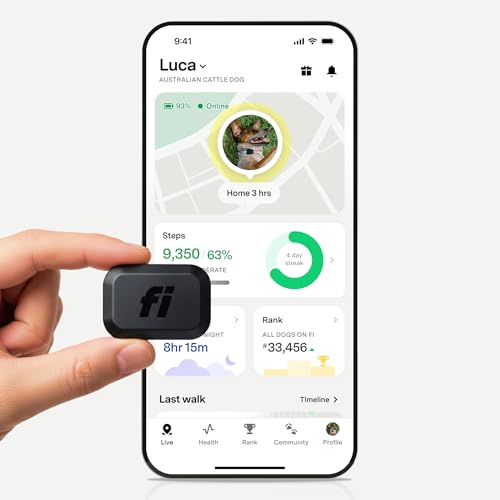
GPS tracking attachment
Fi Mini GPS Dog Tracker
A collar or harness attachment for location tracking. Fi requires a GPS/LTE plan; check network coverage and the selected package before ordering.
Educator UL-1200 Upland
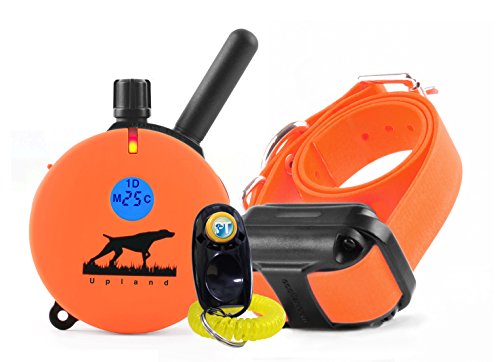
Remote training collar
Educator UL-1200 Upland
This remote training collar includes electrical stimulation as well as other modes. AVSAB recommends reward-based training and advises against aversive methods.
PATPET dog training collar

Remote training collar
PATPET dog training collar
This listing is for a remote training collar with multiple modes. Review the exact functions and the welfare guidance above before considering a training device.
Dogtra 2702T&B

Two-dog remote system
Dogtra 2702T&B
The listing describes a two-dog remote training and beeper system with electrical stimulation. AVSAB recommends reward-based training and advises against aversive methods.
Ultimate Guide to Bird Dog Training

Book
Ultimate Guide to Bird Dog Training
A book listing, retained for readers comparing resources. Its training methods have not been independently reviewed here; evaluate any advice against current veterinary behavior guidance.
What to compare
Coverage and tracking method
Advertised range is not guaranteed in woodland, hills or buildings. Check whether location updates require cellular service or a compatible handheld, and verify coverage in the places you visit. Tractive notes that weak or absent cellular service can delay location updates.
Water resistance and conditions
Check the rating and care instructions for both the receiver and any handheld. A manufacturer's water-resistance claim is specific to the device and conditions; inspect the equipment for damage and do not assume it will remain functional in every environment.
Functions and welfare
Read the entire feature list. Some collars advertised as tracking devices also include stimulation; a device's modes and the way a dog experiences them matter. AVSAB recommends reward-based methods rather than aversive training. Ask a qualified professional about non-aversive options.
Battery and ongoing costs
Compare runtime in the relevant mode and the charging method. Some cellular GPS trackers require a separate subscription. Check terms and coverage before purchase; Tractive explains its subscription requirement. Fi also requires a GPS/LTE plan. Do not depend on a single device to keep track of your dog.
Fit and comfort
Check manufacturer size and weight guidance, and ask your veterinarian about fit for your dog. Inspect the neck and equipment regularly for rubbing or irritation and remove the device if it causes discomfort. Follow veterinary advice.
Subscriptions, maps and compatibility
Compare the exact package, phone or handheld compatibility, map access and subscription terms. GPS tracking, a beeper and a training function are distinct features; confirm which are included.
Training and dog welfare
AVSAB's humane dog training position statement recommends reward-based methods and reports welfare risks associated with aversive training. For fear, anxiety, aggression or a persistent recall problem, consult a veterinarian and a qualified reward-based behavior professional. Follow local animal welfare and equipment laws, which vary by location.
Common questions
Is every electronic dog collar a GPS tracker?
No. Some are remote training devices, some report location, and others combine features. Read the exact model description.
Do tracking devices guarantee that a dog can be found?
No. Battery life, coverage, terrain and device fit can affect reporting. Use supervision and an appropriate management plan as well.
Do GPS trackers require a subscription?
Some do. Tractive and Fi's listed cellular trackers require plans; other technologies and products have different requirements. Check the selected model before ordering.
Choose for the dog and the environment
Prioritize welfare, fit, suitable coverage and an evidence-based training plan. A tracking device can provide useful location information but cannot replace supervision or training.