
Best Dogs for Deer Tracking: Breeds, Training and Rules
We may earn commission for items you purchase. As an Amazon Associate we earn from qualifying purchases.
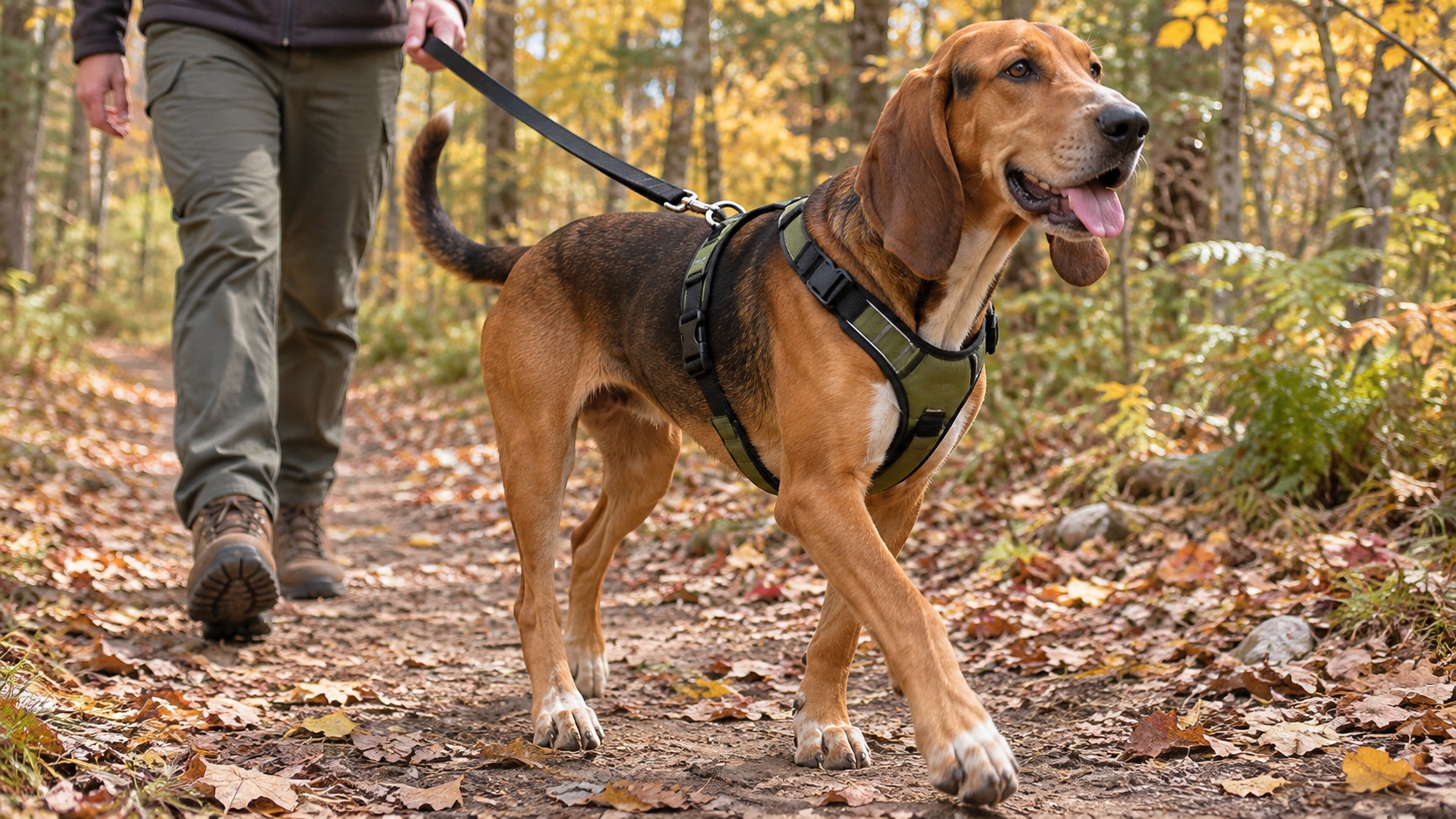
There is no single best dog for every deer-tracking team. Bloodhounds, dachshunds, beagles, Labrador retrievers and mixed-breed dogs can be considered for scent work, but the individual dog's health, motivation, training and partnership with its handler matter more than a breed label alone.
First decide what you mean by “deer hunting dog.” Following the trail of a wounded deer, using dogs to pursue deer during a hunt and looking for shed antlers are different activities. Laws vary significantly, so check the current rules for your state and the specific property before training or working a dog.
Which dogs are worth considering for deer tracking?
A scent-driven dog that can work calmly with its handler may be a good candidate. AKC tracking activities include both purebred and mixed-breed dogs; participation in a sport does not automatically qualify a dog for regulated wildlife recovery.
| Type | Considerations |
|---|---|
| Bloodhound and other scent hounds | Breeds developed for scent work can be candidates for tracking. Consider the dog's size, stamina and the handler's ability to manage it on a line. |
| Dachshund or beagle | Smaller hounds may be easier to transport, but rough terrain and each dog's physical ability still matter. |
| Labrador retriever | Often selected for versatility and trainability; an individual dog still needs appropriate scent-work training and field conditioning. |
| Mixed breed | A mixed-breed dog can learn scent work too. Evaluate the individual dog's interest, health and response to training. |
The AKC's overview of scent hounds provides background on breeds with different sizes and histories. No breed guarantees a recovery, and a good household fit matters because the dog needs care all year.
Check the law before using a dog with deer
Do not assume that permission to track a wounded deer also permits a dog to chase deer. Rules may address leashes, handler licenses, equipment, seasons and land access. For example, Wisconsin DNR distinguishes deer hunting with dogs from certain leashed recovery work. New York DEC lists a leashed tracking-dog license for qualifying recovery work. These examples are not a substitute for checking the rules where you are.
Obtain permission before entering private land, and confirm any public-land restrictions. If you need help recovering a wounded animal, contact your wildlife agency or a legally authorized local tracking-dog handler. Training or buying a kit does not itself establish legal authorization.
How to choose and train a tracking dog
Look for an individual dog that enjoys scent work, can settle and recover between activities, and is physically suited to the terrain. Meet the dog, discuss its temperament and health with a veterinarian or qualified trainer, and be realistic about the time needed for regular training.
Start with age-appropriate, reward-based exercises in a controlled setting, using supplies and methods your trainer and veterinarian consider suitable. Build a reliable working relationship before increasing difficulty. A local experienced handler can help assess the team's readiness and explain applicable rules. Avoid promises that a specific kit or breed will make every dog a successful tracker.
Health and field safety
Bring water and plan breaks, check paws and gear after outings, and discuss conditioning and parasite prevention with your veterinarian. The American Veterinary Medical Association's warm-weather guidance advises carrying water and watching for signs of heat stress. Stop activity and seek veterinary help when a dog shows signs of illness or distress. Conditions, the dog's age and health, and the length of the outing all matter.
Training products and books to compare
These are product listings, not hands-on endorsements. Check contents, safe handling instructions and the relevant rules before using scent or animal materials. Shed-antler training is a separate activity from tracking wounded game.
DogBone tracking dog training kit

Tracking training kit
DogBone Tracking Dog Training System
The listing describes a manual, scent and hide drag. Confirm the included components and suitability for your dog before ordering.
Pete Rickard's deer training scent

Scent training supply
Pete Rickard's Dog Training Deer Scent
This listing is for a four-ounce scent product. Follow its handling directions and consult local rules; a smaller bottle is also linked from the original article.
DogBone shed-antler training kit

Shed-antler training
DogBone Shed Hunting Training Kit
This kit is marketed for training a dog to find shed antlers. It is not a wounded-deer recovery kit; check the selected listing's contents.
Other related links from this article include a tracking-training hide and a shed-antler training handbook in a workbook listing or the original linked edition. Check current availability and edition details.
For readers interested in gifts, the previous article also linked to a deer-themed T-shirt, graphic socks, deer-print socks and novelty boxers. These are gifts rather than dog-training equipment.
Common questions
Can any breed learn to track?
Many purebred and mixed-breed dogs can participate in scent work. Individual aptitude, health, training and the handler's skill all influence the outcome.
Is a tracking dog allowed to chase deer?
Do not assume it is. Tracking wounded game and pursuing deer are legally distinct in many places. Check the current rules and any handler or leash requirements.
Is shed-antler training the same as deer recovery?
No. Finding dropped antlers and locating wounded game are different tasks, with potentially different legal requirements.
Can a training kit guarantee a successful recovery?
No. Equipment can support practice, but it cannot guarantee a dog's performance or replace training, experience and legal authorization.