
Hunting Animals: Common Game Species and How to Get Started
We may earn commission for items you purchase. As an Amazon Associate we earn from qualifying purchases.
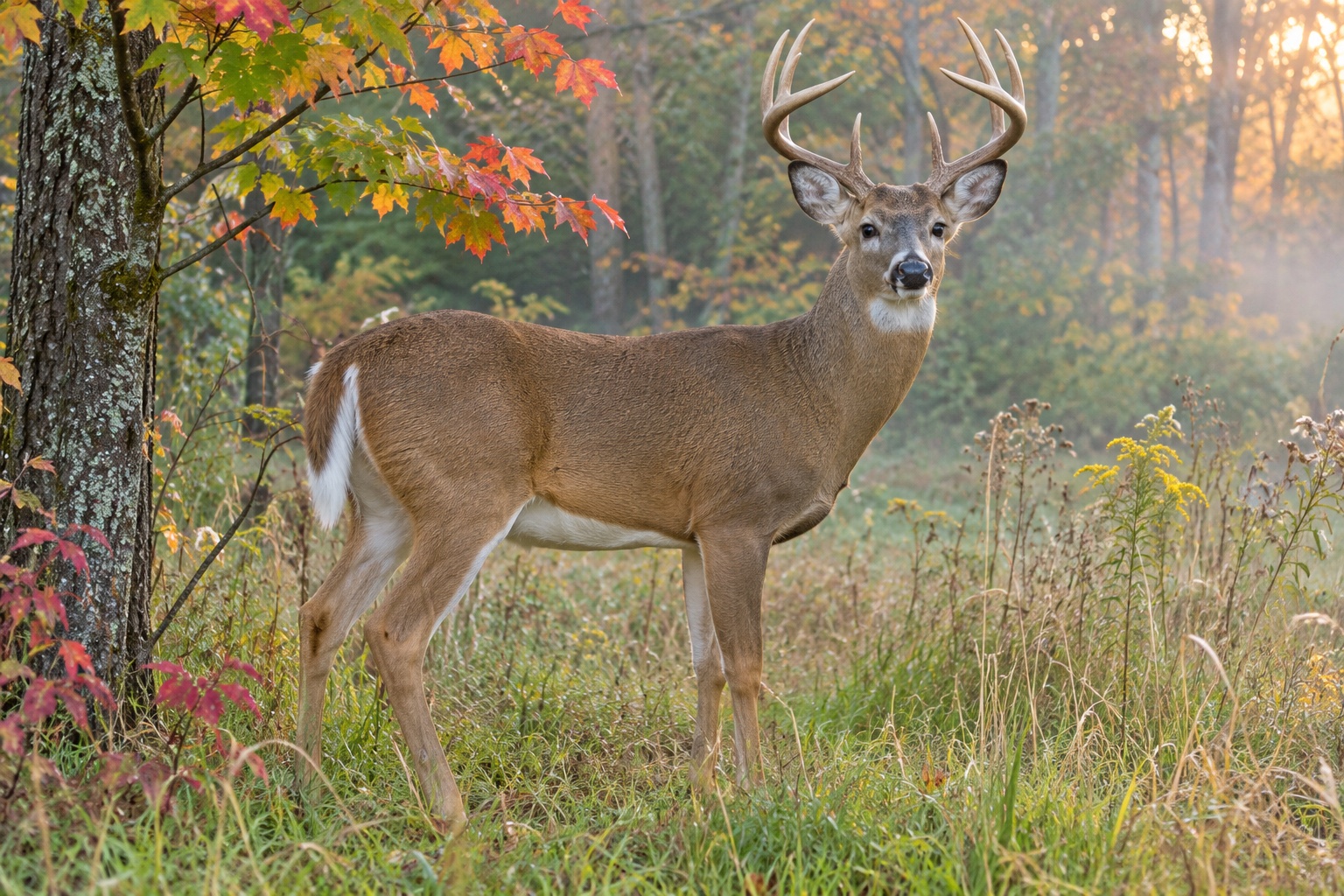
Common game animals in the United States include deer, rabbits, squirrels, wild turkeys and certain waterfowl. The best choice depends on what lives where you are, your interests and experience, access to land, and the current rules. A species mentioned here is not automatically legal to hunt in your location or season.
The phrase hunting animals can also mean animal companions, such as trained dogs or birds used in falconry. This guide primarily covers game species and includes a short section on companions.
Common game animals in the United States
Deer and other big game
White-tailed deer and mule deer are pursued in different parts of the country; elk and other big-game species are available in some regions. Seasons, permits, harvest limits and reporting requirements vary by species and location. Ask your wildlife agency about local disease guidance and handling requirements.
Small game: rabbits and squirrels
Rabbits and squirrels are among the small-game species some states offer. Local species, seasons, access and daily limits differ. An introductory hunter-education course or a mentored outing can help a beginner understand the rules and identify local species.
Wild turkey and upland birds
Wild turkey, pheasant and grouse are examples of game birds in some areas. They are not interchangeable under every regulation: check the species, season, permits, legal methods and property-specific rules for the place you plan to visit.
Ducks and geese
Migratory waterfowl are subject to federal as well as state rules. The U.S. Fish and Wildlife Service explains that waterfowl hunters age 16 and older generally need a current Federal Duck Stamp, in addition to applicable state licenses and permits. Check all current requirements and any exceptions for your location.
How to choose a species
Start with your state's published opportunities and the access you actually have. Consider the time you can commit, the type of landscape you want to visit, licensing requirements and whether you have a knowledgeable mentor. If food is a goal, plan ahead for safe transport, cooling and processing; never take an animal you cannot lawfully possess or are unprepared to handle.
There is no universally easiest animal to hunt. A local course and state wildlife agency can help you find legal opportunities suited to your experience.
Hunting companions: dogs and falconry
Some hunters work with trained dogs for activities such as retrieving birds or locating game. Training, animal welfare and local restrictions matter, and permission to use a dog varies by species, season and property.
Falconry is a separate, highly regulated practice involving trained birds of prey. Do not assume that an ordinary hunting license permits falconry: consult your state wildlife agency about permits, training, supervision and animal-care requirements.
Check the rules and plan for care
The U.S. Fish and Wildlife Service's state licensing directory is a starting point for finding the right agency. Before every outing, check current licenses and education requirements, season dates, species identification, legal access, harvest limits and reporting rules. Landowner permission and public-land rules can differ.
For deer and other cervids, check the local wildlife agency's current chronic wasting disease guidance, including testing or movement restrictions. The USDA describes chronic wasting disease in wildlife and links to additional precautions. If an animal appears sick, follow local agency instructions.
Optional animal anatomy reference
These paper illustrations are an optional reference for readers interested in animal anatomy. The affiliate link may earn Sportsman Crew a commission at no extra cost to you; check the current listing and contents before ordering.
Animals with Vital Organs Series

Paper reference illustrations
Animals with Vital Organs Series
The checked listing describes a pack of animal anatomy illustrations. Confirm the species and print size shown in the selected listing.
Common questions
What animals can beginners hunt?
Some states offer small-game and mentored opportunities, but eligibility and available species depend on the location. Start with a hunter-education course and ask the state wildlife agency about suitable legal options.
Do I need a license for every species?
Requirements vary. A general hunting license may not cover every species or activity, and additional permits, stamps, tags or education may be required. Check the rules for your state, species and land.
Are dogs allowed when hunting?
Sometimes. Rules can differ by species, season and property. Confirm the current regulations and consider the dog's training and welfare.
Can I hunt on public land?
Some public lands permit hunting, but access and special restrictions differ. Confirm boundaries, land-manager rules and any required permissions before you go.
For food ideas after a lawful harvest, explore our wild-game recipes.