
Best Bow Hunting Stabilizer: How to Choose Length, Weight and Fit
We may earn commission for items you purchase. As an Amazon Associate we earn from qualifying purchases.
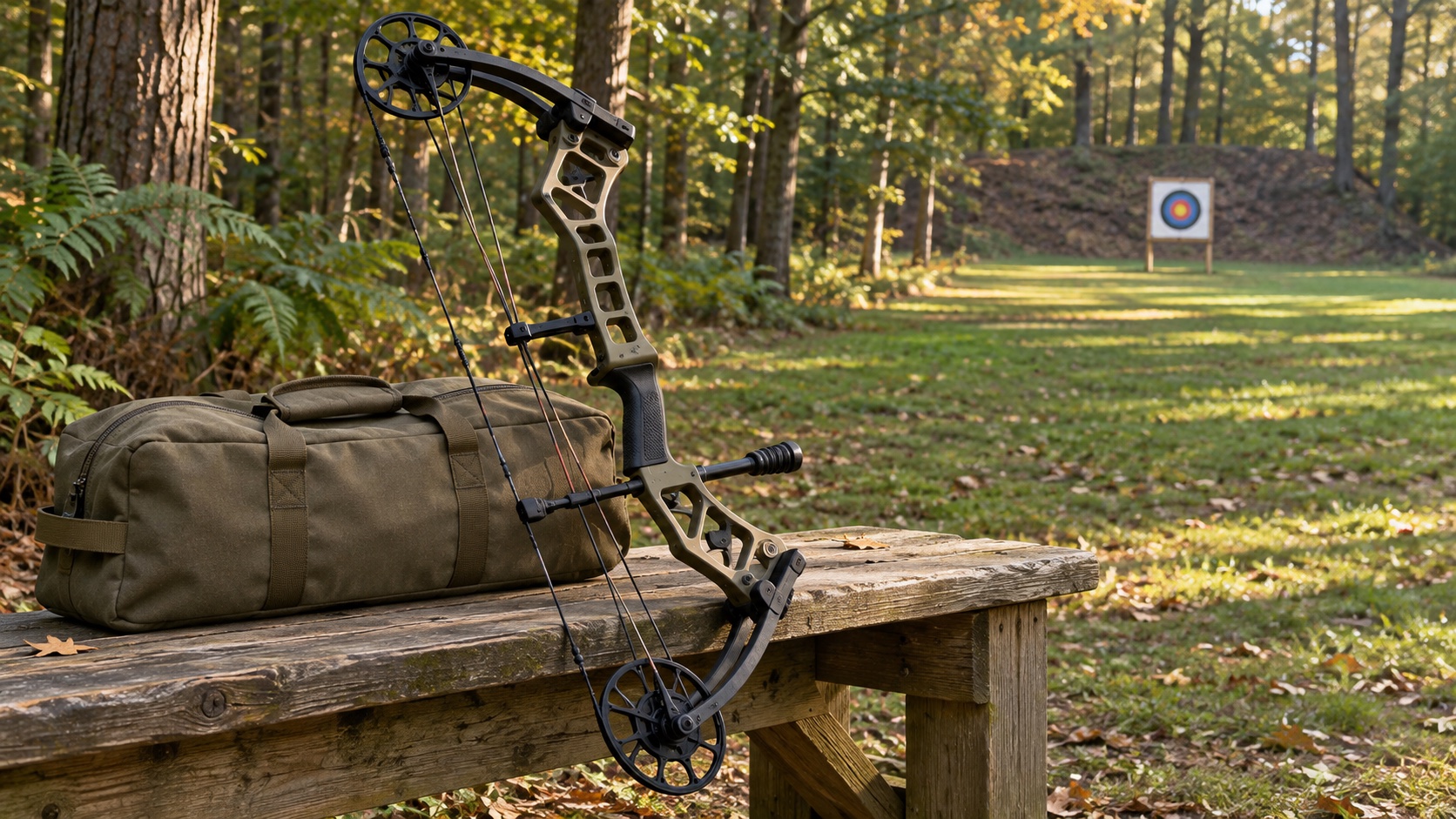
The best hunting bow stabilizer is one that feels comfortable on your own setup and fits how you carry it. A short damped model keeps the profile compact; a longer rod with adjustable weights gives you more options for changing balance, but adds length and mass.
Stabilizers can affect bow balance and vibration, but none guarantees accuracy or longer shots. The examples below use listing information rather than hands-on tests. Stock and product options can change.
What does a bow stabilizer do?
A stabilizer adds mass and changes where that mass is distributed; some designs also incorporate a damping material. Depending on the setup and archer, it can change how the bow balances and feels. As Archery 360 explains, extra mass can help steady movement, but too much can cause fatigue. Results are individual, and a stabilizer is not a substitute for fitting, instruction or practice.
How to choose stabilizer length and weight
Start with carrying space
A shorter stabilizer is easier to pack around brush, a blind or a compact case. Longer models extend the weight farther from the bow and may feel different, but they take up more space. Check the full length and your case dimensions rather than assuming a single size suits everyone.
Compare weight and damping separately
Adjustable weights change total mass and balance. Flexible components are intended to reduce vibration. These are related but different design features; adding more weight does not automatically reduce vibration or make a bow steadier for every archer.
Try the whole setup
Accessories change the weight and balance of a complete bow. Ask an archery shop to help compare options with your normal setup, and consider comfort over a practice session as well as portability. An instructor can help with form and fitting before you make additional changes.
Bow stabilizers to compare
These affiliate links may earn Sportsman Crew a commission at no extra cost to you. Confirm the specific listing, included parts and current availability.
LimbSaver S-Coil 4½-inch

Compact vibration-damping design
LimbSaver S-Coil 4½-inch
The listing describes a short spiral stabilizer made from a flexible damping material. Its listed length is 4½ inches; check fit and the exact color option.
Trophy Ridge Seismic 8-inch

Adjustable-weight front stabilizer
Trophy Ridge Seismic 8-inch
The listing describes an eight-inch carbon-fiber rod with a weighted dampener and two one-ounce weights. Confirm the included parts and compatibility.
Trophy Ridge Hitman 6- and 8-inch kit

Two-length kit
Trophy Ridge Hitman 6- and 8-inch kit
The listing describes a kit containing six- and eight-inch stabilizers, a quick-connect system and removable weights. Verify the selected package before ordering.
For additional options, see our hunting stabilizer product roundup.
Compatibility and care
Check the bow manufacturer’s mounting and accessory requirements and confirm what hardware comes with the selected stabilizer. Some designs use proprietary interfaces or optional brackets. Follow both manufacturers’ instructions, inspect equipment for damage and seek qualified help if parts do not fit.
When practicing or hunting, identify your target and what lies beyond it, follow range rules and check local wildlife regulations. A stabilizer does not make an unsafe situation safe.
Common questions
Is a longer stabilizer always better?
No. A longer rod changes the distribution of weight but may be less convenient to carry. Fit and preference matter.
Will a stabilizer automatically improve accuracy?
No. It changes the feel and balance of a bow, and results vary. Instruction, appropriate equipment and consistent practice remain important.
Do I need a side rod?
Not necessarily. A side rod adds another adjustment option as well as weight and bulk. An archery shop can help you decide whether it suits your setup.
Is a vibration damper the same as a stabilizer?
Some products combine both functions, but damping and weight distribution describe different effects. Check what the particular product includes and is designed to do.